28341 Diehl Rd. Warrenville, IL 60555

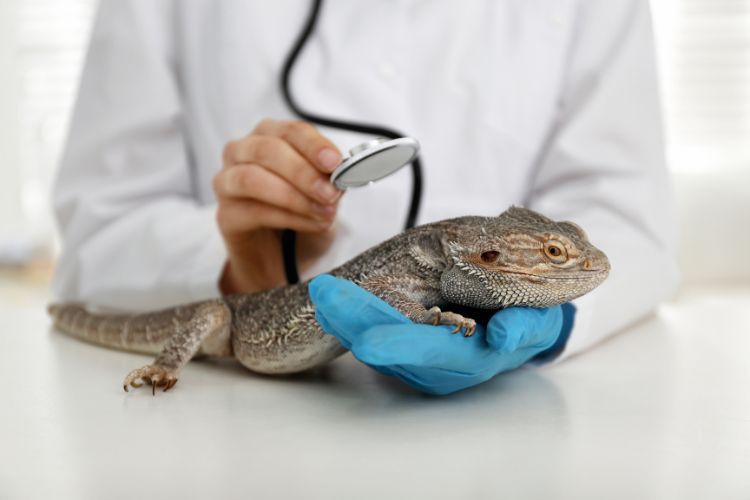
Exotic pets are unique companions that require a special kind of care. Unlike cats and dogs, exotic animals have their own needs, often prompting pet owners to wonder how to provide the right environment, nutrition, and medical care. Whether you’re a first-time owner or a seasoned enthusiast, ensuring that your exotic pet stays healthy and happy can seem overwhelming at first. However, with the right knowledge and preparation, you can offer them a long and fulfilling life.
This blog is especially for exotic pet owners in Warrenville, IL, where exotic pets are increasingly becoming part of family households. If you’re looking to learn how to take care of reptiles, birds, or other non-traditional pets, you’ve come to the right place. This guide will offer essential tips on maintaining your unique pet’s health, from diet to healthcare, to ensure they receive the care they deserve.
By understanding the unique exotic care requirements of your exotic pet, you’ll be well on your way to being a responsible and attentive pet parent. Let’s dive into how you can ensure their well-being for years to come.
Recognizing the Unique Needs of Exotic Pets
Exotic pets, such as reptiles, amphibians, birds, and small mammals, have different care needs compared to more traditional pets. Understanding these needs is crucial to providing a healthy and enriching environment. Unlike dogs or cats, exotic pets may have specific habitat requirements, specialized diets, and unique health considerations.
For example, reptiles need specific temperature gradients to regulate their body heat, while birds require mental stimulation and social interaction. The key to ensuring a long and healthy life for these animals lies in creating the right environment and providing consistent, knowledgeable care.
If you’re a new pet owner, don’t feel overwhelmed. Regular veterinary checkups and learning about your pet’s specific needs will help ensure your pet thrives in your care.
Habitat and Environment: The Foundation of Good Health
Exotic pets require carefully curated habitats to ensure they stay healthy. These habitats are often vastly different from the living conditions of traditional pets. Let’s look at some examples of how to set up the right environment for unique pets:
Reptiles: Creating the Right Temperature and Humidity
- Temperature Control: Reptiles are cold-blooded, meaning they rely on external heat sources to regulate their body temperature. Each reptile species requires a specific temperature range, often with “hot” and “cold” sides in its enclosure to provide a thermal gradient.
- Humidity: Some reptiles, such as amphibians and certain snake species, require high humidity. Use misting systems or humidity trays to maintain the right moisture levels in their habitat.
Birds: Spacious, Stimulating Environments
- Cage Size: Birds, especially parrots, need a spacious cage with plenty of room to move around. The larger the cage, the better it is for their well-being.
- Toys and Perches: Birds need mental stimulation to prevent boredom. Provide a variety of toys, climbing structures, and perches. These help mimic their natural environment and encourage physical and mental exercise.
Small Mammals: Safe and Clean Spaces
- Size of Habitat: Whether it’s a hamster, guinea pig, or ferret, small mammals need enough space to move around and explore. Choose an enclosure with enough floor space and keep it clean.
- Bedding and Substrate: Use safe bedding options, such as shredded paper or wood chips, to ensure your pet’s comfort and hygiene. Regular cleaning is essential to avoid the build-up of waste.
Amphibians: Proper Water Quality and Shelter
- Aquatic Setup: Amphibians, such as frogs, need both land and water in their enclosures. Ensure that the water is dechlorinated and properly filtered to keep it clean and safe.
- Humidity: Like reptiles, amphibians also require specific humidity levels, which can be maintained through misting or humidifiers.
Nutrition: Tailored Diets for Exotic Pets
A healthy diet is a cornerstone of your exotic pet’s well-being. Unlike cats and dogs, exotic animals have more specialized nutritional requirements, which can vary significantly between species.
Reptiles: Balanced Diets for Different Species
- Insects and Vegetation: Many reptiles require a combination of insects (such as crickets or mealworms) and leafy greens or vegetables. Make sure to research your specific reptile’s needs to create a balanced diet.
- Supplementation: Some reptiles may need additional vitamins or calcium supplements, particularly if they are not exposed to natural sunlight.
Birds: Seeds, Pellets, and Fresh Foods
- Variety in Diet: Offer a mixture of seeds, pellets, and fresh fruits and vegetables. Birds enjoy variety, so providing a balanced diet will ensure they stay healthy.
- Avoid Toxic Foods: Certain foods, such as chocolate, avocado, and caffeine, can be toxic to birds. Be mindful of what your pet has access to, even during meal times.
Small Mammals: Fresh Vegetables and Grains
- Hay and Fresh Produce: Guinea pigs and rabbits thrive on a diet of fresh hay, leafy greens, and a small amount of fruits and vegetables. Make sure to avoid sugary fruits, which can lead to obesity.
- Commercial Diets: Ferrets and hamsters typically require high-protein diets, which can be provided through commercially available pellets or formulated diets.
Amphibians: Insects and Vegetation
- Insects and Small Fish: Amphibians, such as frogs, are primarily insectivores. They should be offered crickets, worms, and small fish as part of their diet.
Health and Veterinary Care: Regular Checkups are Key
Just like any other pet, exotic pets require regular veterinary care to stay healthy. Many of these pets live longer, healthier lives with the support of a knowledgeable vet who understands their specific needs. Here’s how you can ensure your unique pet’s health:
Regular Veterinary Visits
- Checkups: Exotic pets require annual checkups, even if they seem healthy. Regular veterinary exams allow the vet to catch potential health problems early and offer advice on diet and care.
- Exotic Pet Specialists: If possible, seek out a veterinarian who specializes in exotic animals. These vets are trained to diagnose and treat issues specific to reptiles, birds, and small mammals.
Preventive Care
- Parasite Control: Many specialty pets are susceptible to parasites. Regular treatments for internal and external parasites are important to ensure your pet stays healthy.
- Vaccinations: Some exotic pets, like birds, may need vaccinations to prevent disease. Consult your veterinarian to see what is necessary for your pet’s specific species.
Socialization and Enrichment: Keeping Your Pet Stimulated
Exotic pets often require more than just a well-maintained habitat and a balanced diet. They also need socialization and mental stimulation to thrive. Here’s how you can provide that:
Reptiles: Handling With Care
- Gradual Introduction: Reptiles may not be as social as other pets, but many species can tolerate handling. Start slowly, allowing your reptile to get used to human interaction.
- Environmental Enrichment: In addition to the proper habitat, reptiles need environmental enrichment. Provide climbing structures, hiding spots, and opportunities for exploration.
Birds: Social Interaction
- Bonding Time: Many bird species, such as parrots, are highly social and need daily interaction with their owners. Spend time out of the cage with them to encourage bonding.
- Training and Play: Birds can be trained to do tricks or tasks. Offering toys, mirrors, and interactive games will keep them mentally engaged.
Small Mammals: Safe Playtime
- Out-of-Cage Time: Small mammals, like guinea pigs and hamsters, can benefit from time outside their enclosures in safe, enclosed spaces. Provide tunnels, playhouses, and obstacles for them to explore.
- Interaction with Humans: While small mammals may not require as much attention as birds, gentle handling and socialization are important for their mental health.
Health Risks and Warning Signs in Exotic Pets
Ignoring the health needs of specialty pets can lead to serious consequences. Many exotic animals are adept at masking signs of illness, so it’s important to recognize the warning signs and seek help from a veterinarian if needed.
Respiratory Issues in Reptiles and Birds
- Signs: Labored breathing, nasal discharge, and wheezing are signs of respiratory distress. Improper humidity levels or environmental factors can cause these issues.
- Solution: Ensure your pet’s habitat is kept clean and at the correct humidity and temperature. If symptoms persist, consult your vet.
Digestive Problems in Small Mammals
- Signs: Loss of appetite, diarrhea, and bloating may indicate digestive issues. For small mammals, this could be caused by dietary imbalances or stress.
- Solution: Offer a balanced diet and avoid sudden changes in food. If symptoms don’t improve, seek veterinary care immediately.
Stress in Birds and Reptiles
- Signs: Feather plucking, lethargy, and abnormal behavior can indicate stress in birds and reptiles.
- Solution: Ensure your pet’s environment is comfortable and enriched, and handle them gently. Stress management is crucial for the health of exotic pets.
Caring for Exotic Pets is a Commitment
Caring for specialty pets may seem daunting, but with the right knowledge and preparation, it can be incredibly rewarding. From creating the right habitat to providing proper nutrition and regular veterinary care, there are many aspects to consider. But with each step, you’ll give your pet the chance to thrive in your care, leading to a long, healthy life.
If you’re in Warrenville and looking for exotic pet care near you, schedule a consultation with Green Family Veterinary Practice. Our veterinarians are qualified in caring for all types of exotic pets, ensuring their health and happiness. Book an appointment today and give your exotic pet the care they deserve.
FAQs
1. How often should I take my exotic pet to the vet?
These pets should visit the vet at least once a year, but some species may require more frequent checkups. Consult your vet for a tailored schedule based on your pet’s needs.
2. What is the best diet for my exotic pet?
The diet varies by species. Reptiles may require insects and vegetables, while birds benefit from seeds, fruits, and pellets. Consult with a veterinarian for specific dietary advice.
3. How can I tell if my exotic pet is stressed?
Signs of stress in exotic pets include changes in behavior, lethargy, feather plucking (in birds), or lack of appetite. Ensure their environment is enriched and consult a vet if necessary.
4. Are there vaccinations for exotic pets?
Yes, some pets, like birds, require vaccinations to prevent diseases. Your veterinarian will recommend a vaccination schedule based on your pet’s species.
5. Can I house multiple exotic pets together?
Some exotic pets can live together peacefully, but many require separate habitats. Always research the species you’re keeping and consult with your vet about compatibility.
6. What are the signs of respiratory illness in exotic pets?
Signs include labored breathing, nasal discharge, and wheezing. These symptoms require immediate veterinary attention to avoid serious complications.