28341 Diehl Rd. Warrenville, IL 60555

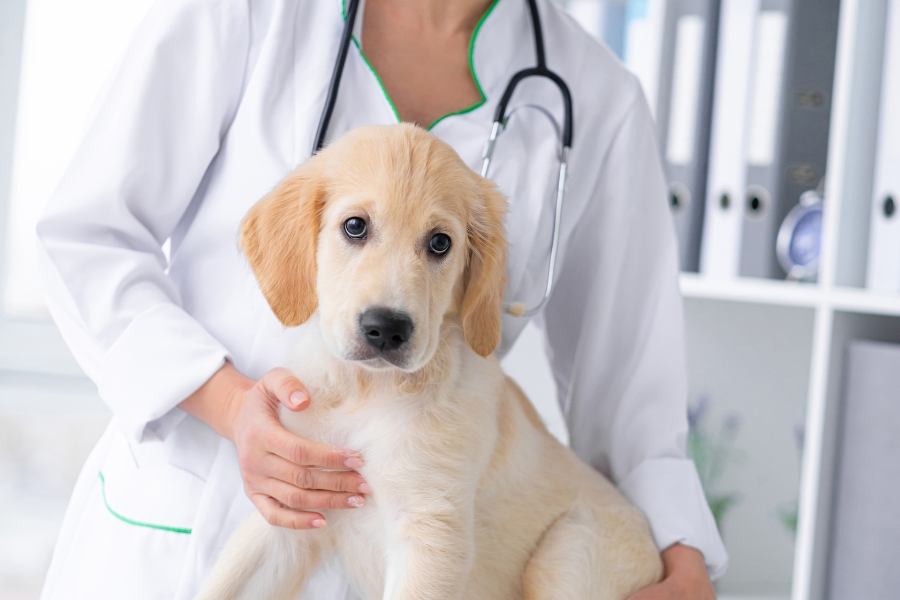
Every pet parent wants their companion to enjoy a long, active, and joyful life. Although proper nutrition, affection, and a safe environment are important, annual pet wellness exams play the most crucial role in maintaining your pet’s overall health. These routine checkups not only detect hidden health concerns but also prevent small issues from turning into serious conditions. Because of this, regular exams significantly improve your pet’s quality of life.
In this comprehensive guide, you will learn why annual wellness visits matter, what typically happens during these appointments, and how they help your pet live healthier for years to come.
What Are Annual Pet Wellness Exams?
Annual pet wellness exams are routine veterinary visits designed to assess your pet’s general health. During these appointments, the veterinarian evaluates your pet’s physical, behavioral, and internal health. Even if your pet seems perfectly fine, a wellness exam helps uncover problems that may not be visible to you.
These exams act as a proactive approach to pet care—much like regular health checkups for humans. Since animals tend to hide pain or discomfort, a routine wellness visit gives your vet the chance to detect early warning signs before they worsen.
Why Annual Wellness Exams Matter So Much
1. Early Disease Detection Saves Lives
One of the biggest advantages of annual wellness exams is early detection. Pets often hide symptoms of illness until the condition becomes severe. However, during a wellness visit, your vet examines your pet for subtle signs of disease.
This can include:
- Changes in weight
- Skin or coat issues
- Dental concerns
- Heart abnormalities
- Organ function changes
When health conditions are caught early, treatments are more effective, less invasive, and more affordable. Consequently, early detection can add years to your pet’s life.
2. Prevention Is Better Than Cure
Annual wellness exams emphasize prevention. Your veterinarian ensures your pet stays protected from common diseases through vaccinations, parasite control, and nutritional guidance. Additionally, your vet may recommend dental cleanings, bloodwork, or lifestyle adjustments to prevent serious illnesses later in life.
Preventive care not only reduces health risks but also lowers long-term medical costs. Instead of treating a disease after it becomes severe, you help your pet avoid the disease entirely.
3. Monitoring Changes as Your Pet Ages
Just like humans, animals experience physical and metabolic changes as they grow older. Regular wellness exams allow your veterinarian to track these changes over time. By comparing results from previous years, your vet can identify trends that may signal early health concerns.
For example:
- A gradual rise in blood sugar may suggest developing diabetes.
- Slow weight gain may indicate hormonal imbalance.
- Increased thirst might point to kidney issues.
Because of consistent monitoring, your vet can recommend appropriate care before minor changes become major problems.
4. Maintaining a Healthy Weight
Obesity is one of the most common—and preventable—health issues among pets. Being overweight increases the risk of joint problems, diabetes, heart disease, and shortened lifespan. Therefore, maintaining a healthy weight is essential.
During a wellness exam, your veterinarian checks your pet’s body condition score and provides personalized diet and exercise recommendations. These small adjustments can make a tremendous difference in your pet’s overall health.
5. Better Dental Health and Hygiene
Many pet owners overlook dental care, yet poor oral health can lead to infections, organ damage, and chronic pain. Annual wellness exams include a thorough dental evaluation. If your pet shows signs of tartar buildup, gum disease, or tooth decay, your veterinarian may recommend a professional cleaning or treatment plan.
By addressing dental issues early, you help your pet avoid unnecessary discomfort and protect their long-term health.
6. Strengthening the Bond Between You and Your Vet
Routine wellness exams create a valuable relationship between you, your pet, and your veterinarian. As your vet becomes more familiar with your pet’s health history and personality, they can offer the most accurate recommendations for diet, behavior, and medical care. Over time, this ensures your pet receives personalized, consistent, and compassionate treatment.
What to Expect During a Wellness Exam
Although each exam may vary slightly, most wellness appointments include:
- Physical examination: eyes, ears, nose, skin, coat, teeth, joints, and organs
- Vital measurements: heart rate, temperature, weight
- Blood tests: to evaluate organ function and detect disease
- Parasite screening: including tests for worms, fleas, ticks, and heartworms
- Vaccination updates: based on your pet’s age and lifestyle
- Diet and behavior assessment: tailored guidance for optimal health
These exam components ensure your pet’s health is evaluated from every angle.
In conclusion, annual pet wellness exams play a vital role in ensuring your pet enjoys a long, healthy, and happy life. These routine visits allow veterinarians to detect diseases early, provide preventive care, track changes over time, and offer personalized recommendations that support your pet’s overall well-being. By prioritizing yearly checkups, you’re giving your pet the best chance to thrive at every life stage.
If you want the best care for your furry companion, consider scheduling pet wellness exams in Warrenville, IL to ensure your pet receives the quality preventive care they deserve.
FAQs
Q1. How often should pets have wellness exams?
Ans. Most pets should have a wellness exam once a year. Senior pets or those with medical issues may need more frequent visits.
Q2. Do indoor pets still need annual exams?
Ans. Yes. Indoor pets can still develop internal conditions, dental problems, or age-related diseases that only a vet can detect.
Q3. Are wellness exams expensive?
Ans. Wellness exams are typically affordable and save money long-term by preventing costly emergency treatments.
Q4. What should I bring to a wellness exam?
Ans. Bring vaccination records, a list of medications, and any recent behavioral or dietary concerns.
Q5. Do pets need bloodwork every year?
Ans. Annual bloodwork helps detect hidden conditions early and provides a baseline for future comparisons.
Q6. When is the best time to schedule a wellness exam?
Ans. Any time of year is fine, but it’s best not to wait until your pet shows symptoms.