28341 Diehl Rd. Warrenville, IL 60555

Personalized Diagnostic Testing to Address Your Pet’s Unique Health Needs
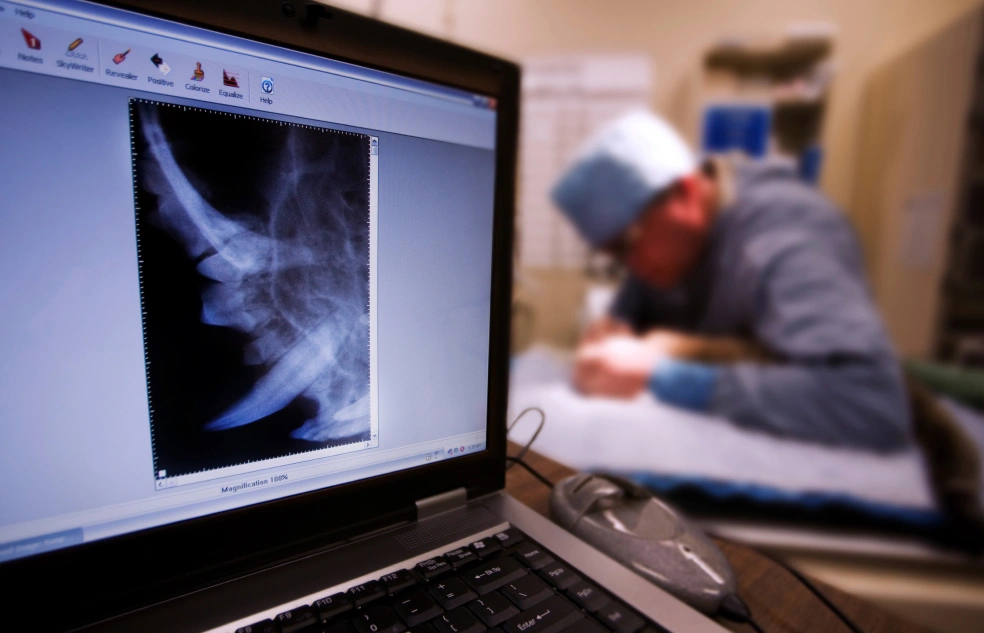
We offer personalized diagnostics tailored to your pet’s unique needs. Our veterinary team conducts on-site tests for skin, ears, blood, urine, and fecal exams, using advanced imaging like digital radiographs and ultrasounds for precise diagnoses. For more complex cases, we collaborate with top laboratories to ensure every health concern is thoroughly addressed.
Understanding Veterinary Diagnostics
Early disease detection is one of the greatest advantages of veterinary diagnostics. Animals, like humans, can develop health conditions that may not show symptoms until they’ve progressed. Regular diagnostic tests help uncover hidden issues, allowing us to begin treatment before they become serious. This proactive approach boosts the chances of successful recovery and enhances your pet’s overall quality of life.
Understanding Veterinary X-rays
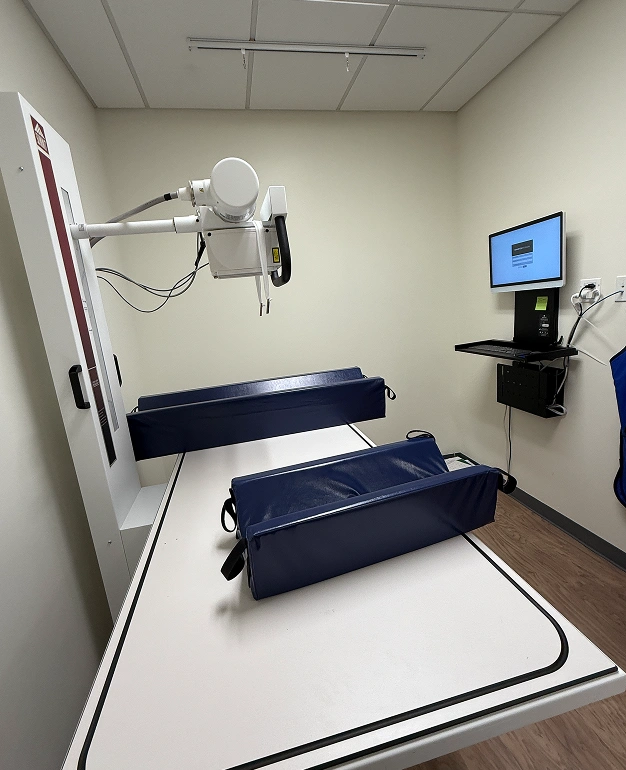
Veterinary X-rays, or radiographs, capture images of an animal’s internal structures by passing a small amount of radiation through the body and recording the results on special film or digital sensors.
These images are a vital diagnostic tool, giving us crucial insights into your pet’s health. X-rays help pinpoint the location and severity of injuries, detect tumors or abnormalities, and track the progression of various diseases, ensuring accurate diagnosis and treatment.
Conditions Diagnosed and Monitored With X-rays
In veterinary medicine, X-rays serve a wide range of purposes. They’re often used to diagnose and monitor conditions such as:
- Bone fractures and breaks
- Joint conditions like arthritis
- Dental issues and oral health concerns
- Tumors and abnormal growths
- Ingested foreign objects
- Respiratory disorders
- Digestive and gastrointestinal problems
Understanding Veterinary Ultrasound
Veterinary ultrasound, or sonography, uses high-frequency sound waves to produce real-time images of an animal’s internal structures. This non-invasive tool offers valuable insights into the function and health of organs and tissues, helping us better understand your pet’s condition.
Conditions Diagnosed and Monitored with Ultrasounds
In veterinary medicine, ultrasounds serve many purposes. They’re commonly used to diagnose and monitor conditions such as:
- Monitoring pregnancy and fetal development
- Detecting heart disease and other cardiac conditions
- Identifying abdominal concerns like tumors or foreign objects
- Diagnosing urinary tract issues
- Assessing reproductive health
- Evaluating soft tissue injuries
On-site Laboratory
One of the greatest benefits of having an in-house laboratory is the ability to deliver fast test results. Traditional methods require sending samples to external labs, often taking days or even weeks to get answers — a delay that can be critical in emergencies. With our in-house lab, most diagnostic tests are performed on-site, providing results within hours. This means quicker diagnoses and faster care for your pet.