28341 Diehl Rd. Warrenville, IL 60555

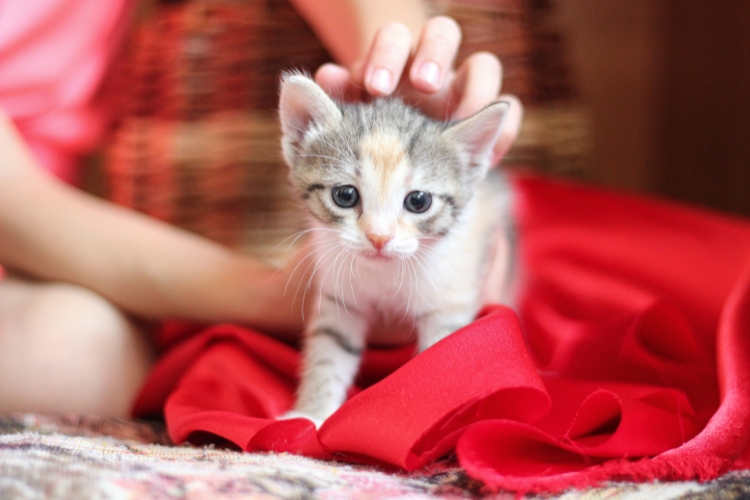
Bringing a new kitten into your home is an exciting and joyful moment. Kittens are playful, curious, and full of energy, but they also need careful attention during their early months. Proper care during this stage lays the foundation for a healthy and happy life. From nutrition to routine checkups, every small step plays an important role in your kitten’s growth and development.
Raising a kitten may feel overwhelming, especially for first-time pet owners. This guide is especially for pet owners in Warrenville, IL, who want clear, simple ways to raise a healthy kitten. Understanding the basics of early kitten care helps build confidence and creates a strong bond between you and your new companion.
The Early Weeks Shape Lifelong Health
The first few weeks of a kitten’s life are very important for growth and development. During this time, kittens learn basic behaviors and begin to explore their surroundings. Their immune system is still developing, which makes proper care even more important.
The veterinarian often explains that early care affects long-term health. Proper nutrition, regular checkups, and a safe environment help prevent common issues. Paying attention to these early needs ensures your kitten starts life on the right path.
Following a structured kitten care guide can help you stay organized and meet your kitten’s daily needs with confidence.
Feeding Your Kitten the Right Way
Nutrition is one of the most important parts of raising a healthy kitten. Kittens grow quickly and need a balanced diet that provides enough energy and nutrients. Feeding high-quality kitten food helps support strong bones, muscles, and overall development.
Young kittens should eat several small meals throughout the day. Consistent feeding times help establish a routine and prevent digestive issues. Fresh water should always be available to keep your kitten hydrated.
The veterinarian can guide you on portion sizes and feeding schedules. Understanding how much a kitten should weigh at different stages helps ensure your kitten is growing properly.
Creating a Safe and Comfortable Home
A safe environment helps your kitten feel secure and reduces the risk of accidents. Kittens are naturally curious and may explore areas that could be dangerous.
- Remove Harmful Items
Keep small objects, cords, and toxic plants out of reach to prevent accidents. - Provide Cozy Sleeping Spaces
A warm and quiet area helps your kitten rest and recharge after playtime. - Set Up a Litter Box Early
Placing the litter box in a quiet location encourages good habits. - Offer Scratching Options
Scratching posts help protect furniture and allow natural behavior.
The veterinarian may also suggest ways to kitten-proof your home. Small changes can create a safer and more comfortable space.
Understanding Growth and Development Stages
Kittens grow rapidly during their first few months. Each stage brings new behaviors and needs that require attention.
Around eight weeks of age, kittens become more independent and active. Proper care for an 8-week-old kitten includes balanced nutrition, social interaction, and gentle training. Monitoring growth during this stage helps identify any concerns early.
The veterinarian often checks weight, activity levels, and overall health during visits. Tracking these changes ensures your kitten is developing as expected.
The Importance of Early Veterinary Visits
Regular visits to the veterinarian are essential for keeping your kitten healthy. These visits include physical exams, vaccinations, and discussions about care routines.
The veterinary team helps detect potential health issues early. Early detection allows timely treatment and prevents complications. These visits also provide an opportunity to ask questions and learn more about your kitten’s needs.
Building a relationship with the veterinary provider helps create a strong foundation for long-term care. Consistent visits ensure your kitten receives proper attention as they grow.
Socialization Builds Confidence and Comfort
Socialization helps kittens become comfortable around people and other animals. Early exposure to different environments and experiences builds confidence.
Gentle handling and positive interactions encourage trust. Introducing your kitten to new sounds and surroundings gradually reduces fear and anxiety.
The veterinarian may recommend specific socialization techniques based on your kitten’s behavior. Creating positive experiences during the early stages helps shape a well-adjusted adult cat.
Keeping Your Kitten Active and Engaged
Playtime is essential for both physical and mental development. Kittens have high energy levels and need activities that keep them engaged.
Interactive toys and short play sessions help burn energy and improve coordination. Regular play also strengthens the bond between you and your kitten.
The vet often suggests activities that match your kitten’s age and energy level. Keeping your kitten active supports overall kitten wellness and prevents boredom.
Grooming Habits Start Early
Introducing grooming routines early helps your kitten become comfortable with regular care. Grooming keeps your kitten clean and allows you to check for any unusual changes.
Brushing helps reduce shedding and prevents tangles. Checking ears, eyes, and paws regularly helps detect issues early. Nail trimming should also be done carefully to avoid discomfort.
The veterinarian can guide you on proper grooming techniques. Early habits make grooming easier as your kitten grows.
Preventive Care Keeps Problems Away
Preventive care is an important part of raising a healthy kitten. Vaccinations protect against common diseases and help build a strong immune system.
Parasite prevention is also essential during the early months. Fleas, ticks, and worms can affect your kitten’s health if not managed properly.
The vet provides a schedule for vaccinations and preventive treatments. Staying consistent with these steps ensures your kitten remains protected.
Building Healthy Daily Routines
Daily routines help kittens feel secure and reduce stress. Consistency in feeding, playtime, and rest creates a stable environment.
- Set Regular Feeding Times
Feeding at the same time each day helps maintain a healthy digestive system. - Schedule Play Sessions
Regular play keeps your kitten active and mentally stimulated. - Maintain Clean Spaces
Keeping the litter box and living area clean promotes good hygiene. - Encourage Rest Periods
Kittens need plenty of sleep to support growth and development.
Following a routine makes kitten care more manageable and helps your pet feel comfortable in their new home.
Watching for Signs of Health Issues
Early detection of health problems is key to keeping your kitten safe. Paying attention to changes in behavior or appearance can help you act quickly.
Loss of appetite, low energy, or unusual behavior may indicate a problem. Changes in weight or coat condition should also be monitored.
The vet can evaluate these signs and provide guidance. Acting early helps prevent minor issues from becoming serious concerns.
A Strong Start Leads to a Happy Future
Raising a kitten requires patience, care, and attention to detail. Green Family Veterinary Practice provides care designed to help kittens grow into healthy and happy adult cats. Focusing on nutrition, routine visits, and daily habits creates a strong foundation for lifelong health.
If you are in Warrenville and looking for care for your kitten, book an appointment with Green Family Veterinary Practice. Their team can guide you through every stage of growth, from early checkups to ongoing care. Booking an appointment is a great way to ensure your kitten receives the attention needed for a bright and healthy future.
Frequently Asked Questions
1. How often should I feed my kitten?
Kittens should be fed several small meals throughout the day. The veterinarian can recommend the right schedule based on age and weight.
2. When should my kitten visit the veterinarian?
Kittens should have their first visit within the first few weeks after coming home. Regular visits help monitor growth and health.
3. How can I tell if my kitten is healthy?
A healthy kitten is active, eats well, and the veterinarian should check for any sudden changes.
4. Do kittens need vaccinations early?
Yes, vaccinations are important during the early months. They protect against common diseases and help build immunity.
5. What is the best way to train a kitten?
Positive reinforcement and consistency work best. Rewarding good behavior helps your kitten learn quickly.