28341 Diehl Rd. Warrenville, IL 60555

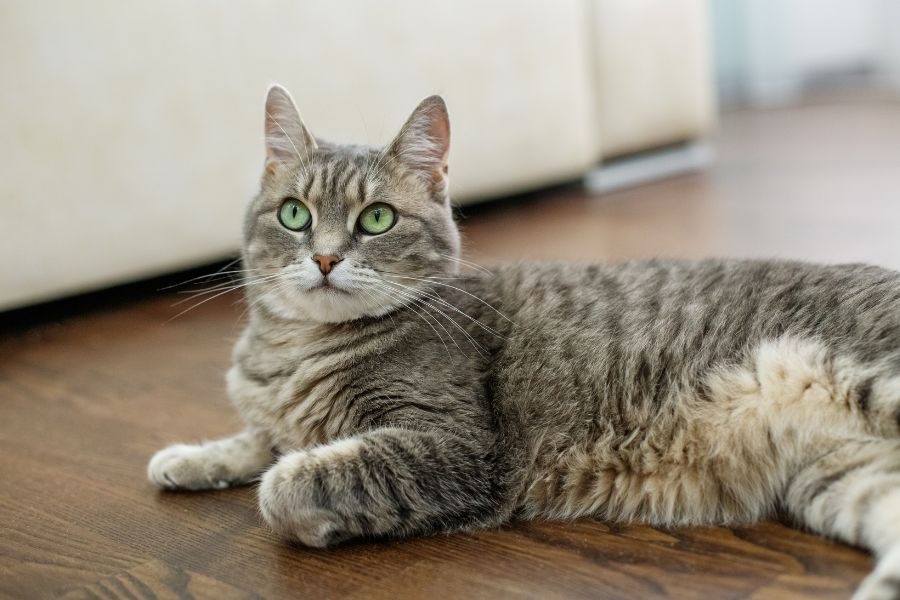
Many cat owners assume that indoor cats face fewer health risks than outdoor pets. While keeping cats indoors can reduce exposure to traffic, wildlife, and environmental hazards, it does not eliminate the possibility of illness. In fact, many common feline health conditions develop quietly and may show few noticeable signs until they become more advanced. This is why cat diagnostic care plays such an important role in maintaining a cat’s long-term health and quality of life.
For cat owners, understanding the value of routine diagnostic testing can help identify health concerns earlier and support more effective treatment plans. Regular screenings provide veterinarians with valuable insights that are not always visible during a physical examination alone.
Why Indoor Cats Can Still Develop Serious Health Conditions
Cats are naturally skilled at hiding discomfort and illness. This behavior is rooted in their instincts, making it difficult for owners to recognize when something is wrong.
Even cats that spend their entire lives indoors may develop conditions such as:
- Kidney disease
- Thyroid disorders
- Diabetes
- Heart disease
- Dental disease
- Arthritis
- Urinary tract conditions
- Liver problems
Many of these conditions progress gradually. Without routine monitoring, they may remain undetected until symptoms become more obvious and treatment options become more limited.
The Importance of Early Detection
One of the biggest advantages of preventive veterinary care is the ability to detect health changes before they become serious problems.
When veterinarians identify abnormalities early, they can often begin treatment sooner, monitor disease progression more effectively, improve long-term outcomes, reduce discomfort for the cat, and help owners make informed care decisions.
This proactive approach is especially valuable for aging cats, as many age-related diseases develop slowly over time. Regular wellness visits also establish a clear health baseline, making it easier to recognize subtle changes that might otherwise go unnoticed between appointments.
How Cat Diagnostic Care Helps Veterinarians Monitor Health
Blood Testing
Bloodwork is one of the most valuable tools in modern veterinary medicine. It provides important information about organ function, blood cell counts, hormone levels, and overall health.
Routine blood tests can help detect:
- Kidney disease
- Liver abnormalities
- Diabetes
- Thyroid conditions
- Infections
- Anemia
Even when a cat appears healthy, bloodwork can reveal changes occurring beneath the surface.
Urinalysis
A urinalysis offers important insights into urinary tract health and kidney function.
This diagnostic tool can help identify:
- Urinary tract infections
- Kidney disease
- Bladder inflammation
- Diabetes-related complications
- Crystal formation
When combined with blood testing, urinalysis creates a more complete picture of a cat’s health status.
Diagnostic Imaging
Green Family Veterinary Practice uses digital radiography and ultrasound to evaluate internal structures without surgery. Imaging technologies such as digital radiographs and ultrasound allow veterinarians to evaluate internal structures without surgery.
These tools help assess:
- Internal organs
- Joint health
- Heart size
- Abdominal abnormalities
- Tumors or masses
- Bone conditions
Diagnostic imaging often provides critical information that cannot be obtained through physical examinations alone.
Signs That May Indicate a Need for Diagnostic Testing
Cats often display subtle changes when health issues begin to develop. Owners should pay attention to changes such as:
- Reduced appetite
- Increased thirst
- Weight loss
- Changes in litter box habits
- Decreased activity
- Difficulty jumping
- Excessive grooming
- Behavioral changes
While these signs do not always indicate serious illness, they should be evaluated by a veterinarian to determine whether additional testing is appropriate.
How Diagnostic Testing Supports Senior Cats
As cats age, their risk of developing chronic medical conditions increases. Senior cats often benefit from more frequent health evaluations because age-related diseases can progress quickly.
Routine cat diagnostic care allows veterinarians to establish baseline health information and monitor changes over time. This ongoing monitoring helps identify concerns before they significantly affect a cat’s quality of life.
Many senior cats continue to enjoy active, comfortable lives when health issues are identified and managed early.
Role of Preventive Diagnostics in Personalized Care
No two cats have the same health needs. Age, breed, indoor or outdoor lifestyle, medical history, and genetic factors can all influence a cat’s risk for certain conditions. Preventive diagnostic testing provides valuable insights that help veterinarians develop care plans tailored to each pet rather than relying on a one-size-fits-all approach.
Ways Preventive Diagnostics Help Personalize Care
- Early Identification of Individual Health Risks: Diagnostic screenings can reveal trends and risk factors before clinical signs appear, allowing veterinarians to focus on conditions a particular cat may be more likely to develop.
- More Precise Treatment Planning: Laboratory results and diagnostic findings help guide treatment decisions, ensuring recommendations are based on objective health data rather than symptoms alone.
- Ongoing Monitoring of Chronic Conditions: Cats diagnosed with conditions such as kidney disease, diabetes, thyroid disorders, or hypertension benefit from regular diagnostic testing that helps track disease progression and treatment effectiveness.
- Safer and More Accurate Medication Management: Bloodwork and other diagnostic tests help veterinarians determine whether medications are appropriate, monitor potential side effects, and make dosage adjustments when needed.
- Age-Specific Healthcare Recommendations: Kittens, adult cats, and senior cats have different healthcare requirements. Preventive diagnostics help ensure wellness plans evolve as a cat’s needs change throughout different life stages.
- Improved Long-Term Health Outcomes: Regular monitoring allows subtle changes in health to be addressed promptly, often reducing the risk of complications and supporting a better quality of life over time.
By incorporating preventive diagnostics into routine veterinary care, veterinarians can make informed decisions based on a cat’s unique health profile, helping provide more effective, individualized care at every stage of life.
Why Routine Veterinary Visits Matter
Physical examinations remain an important part of feline healthcare, but many conditions cannot be identified through observation alone.
Routine veterinary visits combined with diagnostic testing help create a complete understanding of a cat’s health. Veterinarians can compare current results with previous findings, identify trends, and recommend timely interventions when necessary.
For pet owners, consistent preventive care can provide peace of mind and help support healthier outcomes throughout every stage of a cat’s life.
Supporting Long-Term Wellness Through Early Intervention
When health concerns are identified early, treatment often becomes more manageable and effective. Whether addressing kidney disease, diabetes, thyroid conditions, or other chronic illnesses, early intervention can help minimize complications and preserve quality of life.
This is why cat diagnostic care remains one of the most valuable investments pet owners can make in their cat’s long-term well-being.
Many conditions that affect indoor cats are easier to manage when detected before symptoms become severe. For families throughout Warrenville, proactive veterinary care helps ensure cats receive the attention they need to stay healthy and comfortable for years to come.
Caring for Indoor Cats in Warrenville
Indoor cats may appear healthy on the surface, but hidden health conditions can still develop over time. If you are from Warrenville and looking for cat diagnostic care, scheduling regular wellness evaluations can help detect potential problems early and support your cat’s long-term health.
A proactive approach to feline healthcare allows veterinarians to identify concerns sooner, develop personalized treatment plans, and help your cat enjoy a longer, healthier life.
At Green Family Veterinary Practice, our team is committed to helping cats receive comprehensive diagnostic evaluations and preventive healthcare tailored to their individual needs.
Start Protecting Your Cat’s Health Today
If your indoor cat has not had a recent wellness evaluation, now is a great time to take a proactive approach to their health. Schedule an online appointment today to discuss preventive screenings, diagnostic testing, and personalized care recommendations that support lifelong feline wellness. Routine preventive care can help identify potential health concerns earlier, giving your cat the best opportunity to enjoy a longer, healthier, and more comfortable life.
Frequently Asked Questions
Q1. How often should indoor cats receive diagnostic testing?
The frequency depends on a cat’s age, health history, and risk factors. Younger healthy cats may require testing less frequently, while senior cats often benefit from more regular screenings to monitor age-related changes and identify developing health concerns.
Q2. Can diagnostic testing find problems before symptoms appear?
Yes. Many feline diseases develop gradually and may not cause obvious symptoms during their early stages. Diagnostic testing can detect subtle abnormalities before noticeable signs appear, allowing veterinarians to begin monitoring or treatment sooner.
Q3. Is diagnostic testing stressful for cats?
Most routine diagnostic procedures are minimally invasive and are designed to be completed as comfortably as possible. Veterinary teams use gentle handling techniques to help reduce stress and ensure the process is safe for feline patients.
Q4. What age is considered senior for cats?
Many veterinarians consider cats seniors starting around age seven. As cats age, regular health monitoring becomes increasingly important because the likelihood of developing chronic medical conditions rises.
Q5. Can healthy-looking cats still have hidden illnesses?
Absolutely. Cats are known for masking signs of illness. A cat may appear healthy while underlying conditions continue to develop. Routine diagnostic evaluations help identify these hidden issues before they significantly affect overall health.