28341 Diehl Rd. Warrenville, IL 60555


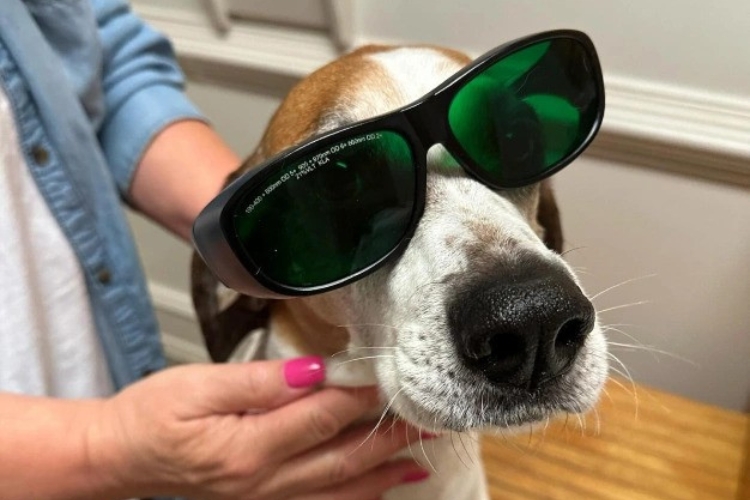
When a dog is recovering from an injury, surgery, arthritis, or another painful condition, the goal is not only to manage discomfort. The body also needs time and support to repair damaged tissue. This is where modern treatment options can play an important role. One option that many veterinary teams use is laser therapy. Dog laser therapy uses specific wavelengths of light to support natural healing processes within the body. The treatment is noninvasive and does not involve cutting into the skin. Depending on the condition being treated, it may be used alongside other veterinary treatments to support comfort, mobility, and recovery.
For pet parents in Warrenville, understanding how this therapy works can make it easier to recognize when it may be appropriate for their dogs.
What Is Laser Therapy for Dogs?
Laser therapy, sometimes called therapeutic laser treatment, uses focused light energy directed toward targeted areas of the body. The light reaches tissues beneath the skin and interacts with cells.
The purpose is to encourage biological activity that supports the body’s natural repair processes. Veterinary teams may consider laser therapy for dogs experiencing inflammation, soft tissue injuries, joint discomfort, surgical recovery needs, or other conditions where tissue healing support may be useful.
Treatment does not replace a proper diagnosis. Instead, it can be incorporated into a broader care plan based on the individual dog’s condition.
How Does Dog Laser Therapy Work?
The light used during therapy is delivered through a specialized veterinary laser device. The veterinary professional positions the treatment applicator over the affected area.
Light energy can interact with cells and influence cellular processes involved in tissue repair. This process is often described as photobiomodulation.
Potential effects can include:
- Supporting cellular activity
- Encouraging circulation around treated tissues
- Helping manage inflammation
- Supporting tissue repair
- Promoting comfort
- Supporting mobility during recovery
The exact response depends on the dog’s condition, the affected tissues, treatment settings, and the overall care plan.
Can Laser Therapy Help With Pain and Inflammation?
Pain and inflammation often occur together when tissues are injured or irritated. Inflammation is part of the body’s normal response to injury, but excessive or prolonged inflammation can contribute to discomfort and reduced movement.
Laser therapy may help support the body’s ability to manage inflammatory processes. By supporting circulation and cellular activity in treated areas, therapy may contribute to improved comfort.
This can be particularly useful for dogs dealing with chronic joint problems or recovering from certain injuries. A veterinarian can determine whether laser therapy is appropriate based on the source of discomfort.
Laser Therapy for Arthritis in Dogs
Arthritis can gradually affect a dog’s ability to walk, climb stairs, play, or get up from a resting position. Dogs may also become less interested in activities they once enjoyed.
For dogs with chronic joint conditions, laser therapy may be included as one part of a long term management plan.
Treatment may focus on areas such as:
- Hips
- Knees
- Elbows
- Shoulders
- Spine
- Other affected joints
Laser therapy does not reverse arthritis. Instead, it may help support comfort and mobility when used alongside other appropriate veterinary care.
Laser Therapy During Recovery From Surgery
Surgery places stress on the body as tissues heal. Depending on the procedure, a dog may experience swelling, discomfort, stiffness, or reduced mobility during recovery.
A veterinary team may recommend laser therapy as part of postoperative care when appropriate. Supporting tissue healing can help create a more comfortable recovery process.
The timing and frequency of treatments depend on the procedure and the dog’s health. Owners should always follow the activity restrictions and home care instructions provided by their veterinary team.
Laser therapy should not be viewed as a substitute for proper surgical aftercare. It works as part of a larger recovery plan.
Can Laser Therapy Help Soft Tissue Injuries?
Dogs can develop soft tissue injuries from running, jumping, playing, or other physical activities. Muscles, tendons, and ligaments can all experience strain or injury.
Treatment may be considered when a veterinarian identifies a condition that could benefit from supportive therapy.
A complete treatment plan may include:
- Rest
- Controlled activity
- Medication when prescribed
- Physical rehabilitation
- Weight management
- Laser therapy
- Follow up examinations
The combination depends on the type and severity of the injury.
What Happens During a Laser Therapy Session?
Laser therapy sessions are generally straightforward. Your dog is positioned comfortably while the veterinary professional applies the laser device to the targeted area.
The device may be moved gradually across the treatment area rather than remaining in one location. Your dog does not need to undergo an incision or surgical procedure for the laser treatment itself.
Some dogs remain calm throughout the session because there is no cutting or invasive procedure involved. The experience can vary from one dog to another.
Your veterinary team will determine the appropriate treatment area and settings based on your dog’s medical needs.
How Long Does Laser Therapy Take?
Treatment duration varies based on the size of the treatment area, the condition being managed, and the specific laser protocol.
Some sessions may be relatively short, while other treatment plans require more time. The number of sessions also varies.
A single treatment may not provide the same result as a planned series of sessions. Some dogs receive treatments regularly during a recovery period, while others may need periodic therapy for an ongoing condition.
Your veterinarian can explain the expected schedule after evaluating your dog.
Is Laser Therapy Suitable for Every Dog?
Laser therapy is not automatically appropriate for every pet or every medical condition. A veterinarian should first identify the cause of your dog’s symptoms.
Factors that may influence treatment decisions include:
- Your dog’s diagnosis
- Age
- Overall health
- Medications
- Location of the affected tissue
- Type of injury or condition
- Surgical history
- Existing medical concerns
A proper examination helps determine whether laser therapy makes sense for your dog’s specific situation.
What Can Pet Parents Do Between Treatments?
Laser therapy is only one part of supporting recovery. Home care can have a major effect on progress.
Follow the veterinary team’s instructions about exercise, rest, medication, nutrition, and follow up visits. Do not increase activity simply because your dog appears more comfortable.
Keep track of changes in movement and behavior. Note whether your dog is walking more easily, getting up more comfortably, or showing renewed interest in normal activities.
Also watch for changes that should be reported to your veterinary team. New swelling, worsening discomfort, significant weakness, changes around a surgical site, or sudden changes in mobility deserve professional attention.
Why A Personalized Treatment Plan Matters
Every dog heals differently. A young active dog recovering from an injury may have very different needs from an older dog managing chronic joint problems.
That is why dog laser therapy should be considered within an individualized veterinary care plan. The goal is to understand the underlying problem and then select supportive treatments that match the dog’s needs.
At Green Family Veterinary Practice, pet parents can discuss their dog’s condition with a veterinary professional and learn whether laser therapy may fit into the overall care strategy.
The right approach may combine diagnostic evaluation, medication, rehabilitation, activity management, nutrition, and supportive therapies. Laser therapy can be a useful component when recommended for the individual patient.
Supporting Your Dog’s Recovery With Laser Therapy
Recovery can take patience. Dogs may want to return to their normal activities before their bodies are ready. Consistent veterinary guidance helps pet parents understand what their dogs need during this period.
Dog laser therapy may support cellular activity, tissue repair, circulation, comfort, and mobility for selected conditions. It can be especially useful as part of a broader approach to managing recovery or chronic discomfort.
If your dog has been dealing with stiffness, an injury, postoperative recovery, or another condition affecting mobility, talk with your veterinary team about available treatment options. A proper examination can help determine whether laser therapy is appropriate.
Schedule an Appointment for Your Dog
If you are considering dog laser therapy for your pet, Green Family Veterinary Practice can evaluate your dog’s condition and discuss whether therapeutic laser treatment may be appropriate. Schedule an appointment or use the practice’s online booking option to discuss your dog’s mobility, recovery, discomfort, or rehabilitation needs. A personalized veterinary care plan can help support your dog’s comfort and return to daily activities.
FAQ
Q1. What conditions can dog laser therapy help manage?
Ans: Laser therapy may be considered for selected conditions involving inflammation, soft tissue injuries, joint discomfort, arthritis, and recovery after certain surgical procedures. A veterinarian should determine whether the therapy fits the dog’s diagnosis.
Q2. Does laser therapy hurt dogs?
Ans: Laser therapy is noninvasive and does not involve cutting or injections. Many dogs tolerate sessions well, but individual responses can vary.
Q3. How many laser therapy sessions will my dog need?
Ans: The number of treatments depends on the dog’s condition, treatment goals, affected tissues, and response to therapy. Your veterinary team can recommend an appropriate schedule.
Q4. Can laser therapy replace medication for my dog?
Ans: Laser therapy should not automatically be viewed as a replacement for prescribed medication. It may be used alongside other treatments when appropriate. Your veterinarian can determine the safest overall approach.
Q5. Can laser therapy help an older dog with arthritis?
Ans: Laser therapy may be included in a broader arthritis management plan for some older dogs. It may support comfort and mobility, but the treatment plan should also address exercise, weight, nutrition, medication, and other factors when appropriate.