28341 Diehl Rd. Warrenville, IL 60555

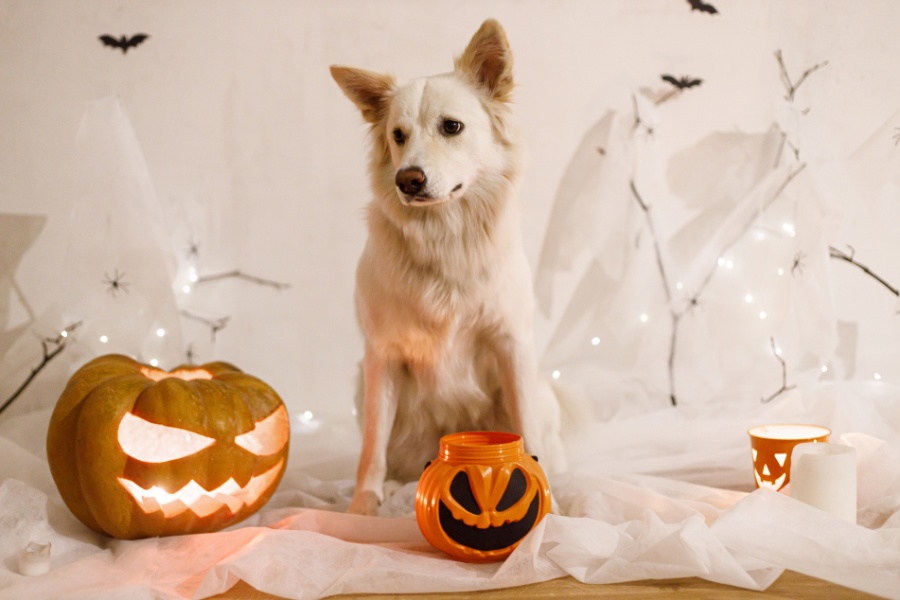
Halloween is an exciting time filled with costumes, decorations, candy, and neighborhood celebrations. However, the same treats and festive activities that make the holiday enjoyable can introduce hidden risks for dogs and cats. A bowl of candy on the coffee table, an open treat bag, or a dropped piece of chocolate can quickly become a concern for curious pets.
For families in Warrenville, planning ahead is an important part of Halloween pet poison prevention. Understanding which ingredients are dangerous, how to store treats securely, and what to do if a pet eats something questionable can help protect your four legged companions throughout the holiday.
Green Family Veterinary Practice encourages pet parents to make safety part of their Halloween preparations. With a few practical changes at home and greater awareness of common Halloween dangers for dogs and cats, you can enjoy the festivities while keeping your pets safer.
Why Halloween Treats Can Be Dangerous for Pets
Dogs often explore their surroundings with their mouths, while cats may investigate unfamiliar objects out of curiosity. During Halloween, candy wrappers, sweet treats, and unattended snack bowls can attract both species.
Unfortunately, some ingredients found in popular sweets can be toxic to animals. Even treats that seem harmless to people may cause illness in pets, depending on their ingredients, the amount eaten, and the animal’s size and health.
The safest approach is to keep human candy completely separate from pet food and treats. Never assume that a small piece is harmless simply because your pet appears healthy or has eaten something similar before.
Chocolate Is a Major Halloween Concern
Chocolate is one of the most familiar Halloween hazards for dogs. It contains theobromine and caffeine, substances that dogs process differently from humans. The level of risk depends on the type of chocolate, the amount consumed, and the dog’s size.
Dark chocolate and baking chocolate generally contain higher concentrations of these substances than milk chocolate. Even so, no type of chocolate should be deliberately offered to a dog.
Possible signs of chocolate poisoning include vomiting, diarrhea, restlessness, increased thirst, a rapid heartbeat, tremors, and seizures. Signs can vary according to the amount and type of chocolate consumed.
Keep chocolate bars, chocolate covered sweets, brownies, and baking ingredients in closed cupboards or containers that pets cannot access. Remember that candy bags left on the floor after trick or treating can be just as tempting as treats displayed in a bowl.
Watch Out for Sugar Free Candy and Gum
Sugar free sweets may contain xylitol, a sweetener that is highly dangerous to dogs. It can trigger a rapid release of insulin and cause blood sugar levels to fall dangerously low. In some cases, exposure can also lead to serious liver injury.
Xylitol may appear in sugar free gum, mints, candies, and certain baked products. Product ingredients can vary, so reading the label is important when assessing a possible exposure.
Signs may include vomiting, weakness, difficulty walking, unusual tiredness, or seizures. However, symptoms may not appear immediately.
If your dog may have eaten a product containing xylitol, contact a veterinarian or an animal poison advice service immediately. Do not wait for symptoms to develop. Keep the product packaging available so the veterinary team can identify the ingredients and estimate the possible exposure.
Raisins, Grapes, and Other Unexpected Hazards
Chocolate is not the only food to watch during Halloween. Some seasonal snacks and baked goods may contain raisins or grapes, which can cause serious kidney injury in dogs. The level of sensitivity varies, and a reliably safe amount cannot be established for every dog.
Candies and baked treats may also contain macadamia nuts, alcohol, or other ingredients that can be harmful to pets. Rich, fatty foods can cause digestive upset and may contribute to pancreatitis in susceptible animals.
Candy wrappers can create another problem. If swallowed, foil, plastic, and cellophane may irritate the digestive tract or contribute to an intestinal blockage.
Keep treat bags, baking supplies, snack plates, and discarded wrappers out of reach. Secure trash cans with lids and empty them when necessary, especially after a busy evening of celebrations.
Create a Candy Safe Home Before Halloween Night
A pet safe Halloween begins before the first doorbell rings. Setting up a few household rules can reduce the chance of accidental ingestion.
Store candy securely. Place sweets in closed cupboards or containers with secure lids. Avoid leaving candy bowls on low tables, kitchen counters that pets can reach, or other accessible surfaces.
Designate a treat station. Choose one area for Halloween candy and tell everyone in the household that pets must stay away from it. Remind children not to share their treats with dogs or cats.
Check the floor regularly. Small candies and wrappers can easily fall during parties or while children sort their collected treats. Inspect play areas and living spaces before allowing pets to roam freely.
Secure the rubbish. Wrappers and leftover food can smell appealing to animals. Use a covered bin that cannot be tipped over or opened by a curious pet.
Keep bags out of reach. After trick or treating, place candy bags on a high shelf or inside a closed room. Do not leave them beside a pet’s bed or feeding area.
These habits are simple, but they can make a meaningful difference in preventing accidental exposure.
Keep Pets Comfortable During Halloween Activities
Candy is only one part of Halloween safety. Doorbells, unfamiliar visitors, costumes, and frequent door openings may also create stress or increase the risk of pets slipping outside.
Consider preparing a quiet room where your dog or cat can rest away from the busiest areas of the home. Provide fresh water, familiar bedding, and suitable toys. Close windows and secure doors to reduce the chance of escape.
If your pet becomes anxious around strangers, you do not need to include them in every celebration. Allowing them to relax in a familiar environment may be more comfortable than exposing them to constant activity.
Costumes should never restrict breathing, movement, vision, or hearing. Avoid accessories with small parts that could be chewed or swallowed, and remove any outfit if your pet appears uncomfortable.
For cats, particular care is needed around decorative strings, ribbons, and dangling ornaments. These objects may be swallowed and can cause serious digestive complications.
Recognize Possible Signs of Poisoning
Knowing what to watch for can help you respond promptly if a pet gets into Halloween treats.
Possible warning signs include:
- Vomiting or diarrhea
- Unusual restlessness or agitation
- Weakness or difficulty walking
- Excessive thirst or urination
- Tremors or seizures
- Unusual heart rate or breathing
- Reduced responsiveness
These signs can have many causes, and their absence does not guarantee that a pet is safe after eating a potentially toxic substance.
If you suspect that your pet has eaten chocolate, xylitol, raisins, or another harmful ingredient, contact a veterinarian promptly. Be ready to explain what was eaten, the approximate amount, when the exposure occurred, and your pet’s weight.
Do not try to make your pet vomit or administer home remedies unless a veterinary professional specifically instructs you to do so. Some interventions can cause additional harm.
What to Do if Your Pet Eats Halloween Candy
Acting quickly and sharing accurate information can help the veterinary team assess the situation.
First, remove any remaining candy or wrappers so your pet cannot eat more. Save the packaging or take a photograph of the ingredient label. Estimate how much may be missing and note when your pet could have accessed it.
Next, contact a veterinarian or an appropriate animal poison advice service for guidance. Do not wait for visible illness if the ingredients may be toxic. The recommended response depends on the substance, the quantity, the timing, and your pet’s condition.
If your pet develops severe symptoms, such as seizures, collapse, or difficulty breathing, seek urgent veterinary attention. Follow professional instructions rather than attempting treatment at home.
Keeping your regular veterinarian’s contact information readily available can save valuable time when a concern arises.
Make Halloween Safer With Preventive Planning
Halloween pet poison prevention is about preparation, supervision, and knowing when to seek professional advice. Store candy securely, supervise children around pets, dispose of wrappers carefully, and give animals a comfortable place to rest during busy celebrations.
Pet parents in Warrenville can also benefit from discussing household hazards and seasonal safety with their veterinary team. A little planning helps everyone enjoy the holiday with fewer worries.
Schedule a Pet Health Consultation
Do you have questions about candy safety, household toxins, or protecting your pet during Halloween? Contact Green Family Veterinary Practice to discuss your concerns and learn more about preventive pet care. If you are searching online for a veterinarian near me in Warrenville, our team can help you understand appropriate next steps for your pet’s health needs.
If your pet has already eaten a potentially toxic treat, contact a veterinarian promptly rather than waiting for a routine appointment. Timely professional guidance is important when poisoning is suspected.
Frequently Asked Questions
Q1. Which Halloween candies are most dangerous for dogs?
Ans: Chocolate, sugar free candy containing xylitol, and treats containing raisins or other harmful ingredients can pose serious risks. Keep all human candy away from dogs and check ingredient labels carefully.
Q2. Can cats get sick from eating Halloween candy?
Ans: Yes. Cats can be harmed by chocolate and certain other ingredients. Wrappers, ribbons, and small decorations may also create choking or digestive hazards. Contact a veterinarian if your cat eats a potentially dangerous item.
Q3. Should I wait for symptoms if my dog eats chocolate?
Ans: No. Contact a veterinarian promptly, even if your dog appears normal. The risk depends on the chocolate type, amount consumed, and your dog’s size, and signs may take time to appear.
Q4. How can I keep my pet calm while trick or treaters visit?
Ans: Prepare a quiet room with familiar bedding, water, and safe toys. Keep doors secured, limit exposure to unfamiliar visitors if your pet is anxious, and supervise your pet around decorations.
Q5. What information should I give the veterinarian after suspected candy poisoning?
Ans: Share the product name and ingredients, estimated amount eaten, time of exposure, and your pet’s weight. Bring the packaging if possible, and follow the veterinary team’s instructions.
