28341 Diehl Rd. Warrenville, IL 60555

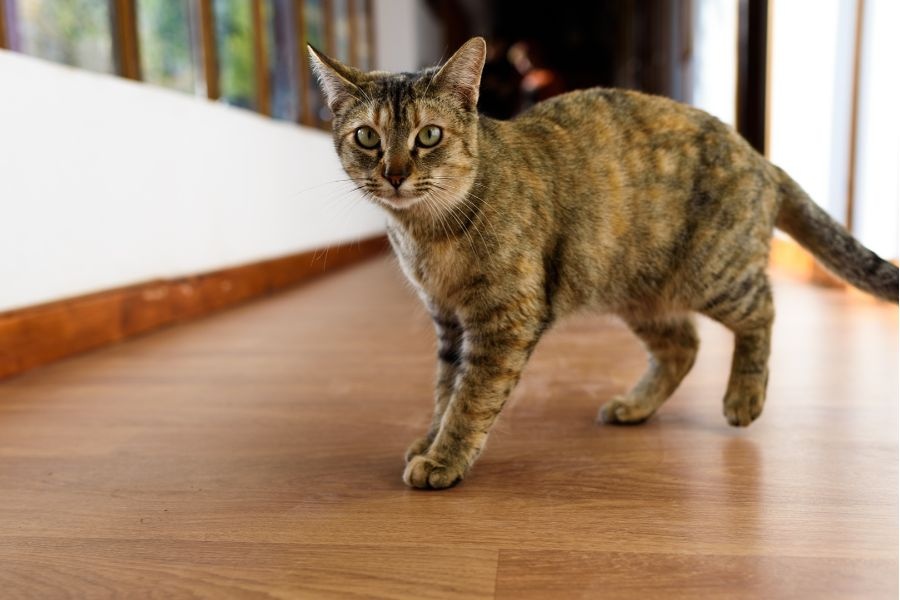
Every cat has a different lifestyle, and those daily habits can influence their overall health. An indoor cat that spends most of the day sleeping on a sofa may have very different wellness needs from a cat that explores outdoors, lives with several other pets, or spends time traveling with the family. Understanding these differences is an important part of cat preventative care.
Preventative care is not a one-size-fits-all process. Your cat’s age, activity level, diet, environment, behavior, and daily routine can all influence what should be discussed during veterinary visits. A regular cat wellness exam gives your veterinarian an opportunity to evaluate these factors and help you understand how to support your cat throughout different stages of life.
For cat owners in Warrenville, Green Family Veterinary Practice can help you build a preventative care approach that considers your cat as an individual.
Why Lifestyle Matters for Cat Health
A cat’s environment can influence everything from activity and weight to stress and exposure to potential health concerns. Two cats of the same age can have very different needs because they live very different lives.
For example, an active cat that regularly explores outdoors may experience more physical activity and environmental exposure. An indoor cat may have fewer outdoor risks but may be more likely to spend long periods inactive.
Lifestyle can also change over time. A family may move to a new home, introduce another pet, change a cat’s diet, or transition from an active household to a quieter one.
These changes can affect your cat’s preventative care needs, which is why lifestyle discussions are useful during a cat wellness exam.
Indoor Cats Still Need Preventative Care
Indoor living can provide a controlled environment, but it does not mean a cat has no health concerns to monitor.
Indoor cats can experience weight gain when food intake exceeds their activity level. Limited exercise may also contribute to reduced muscle tone or boredom. Changes in the home environment can influence behavior and daily routines as well.
Cat preventative care for an indoor pet should therefore include attention to nutrition, body condition, activity, dental health, behavior, and general wellness.
Providing climbing opportunities, interactive play, scratching surfaces, and opportunities to explore can encourage healthy movement and mental stimulation.
Outdoor Lifestyle Can Influence Veterinary Planning
Cats that spend time outdoors encounter a different environment from cats that remain indoors.
Outdoor activity may involve more physical exertion, contact with other animals, changes in weather, and exposure to different environmental conditions. Outdoor cats may also be more likely to return home with minor injuries or changes in body condition that owners should monitor.
During a cat wellness exam, tell your veterinarian how often your cat goes outdoors and what their typical outdoor routine looks like.
This information can help your veterinary team understand your cat’s lifestyle and identify areas that may deserve additional attention.
Diet and Activity Work Together
Nutrition is closely connected to lifestyle. A cat with a highly active routine may have different energy requirements from a cat that spends most of the day resting.
Portion sizes, food type, treats, feeding frequency, and activity should be considered together rather than separately.
Regularly monitoring your cat’s body condition can help you notice gradual changes. If your cat is gaining or losing weight unexpectedly, discuss the change with your veterinarian.
At Green Family Veterinary Practice, lifestyle information can be part of a broader conversation about your cat’s wellness. Your veterinarian can help you understand how nutrition and daily activity relate to your cat’s individual needs.
Age Changes Preventative Care Needs
A kitten, adult cat, and senior cat do not have identical health priorities.
Young cats are developing quickly, so growth, nutrition, behavior, and general development are important areas to monitor. Adult cats may need continued attention to weight, dental health, activity, and changes in routine.
As cats age, subtle changes can become increasingly important. Changes in mobility, appetite, sleeping patterns, grooming, or behavior may deserve closer attention.
Regular cat wellness exams allow your veterinarian to assess your cat according to their current life stage rather than relying on a routine designed for a different age group.
Multi-Cat Homes Require Extra Observation
Living with other cats can influence a pet’s behavior and daily routine. Cats may share food areas, sleeping spaces, litter areas, or other resources, and individual personalities can affect how they interact.
In a multi-cat household, it may sometimes be difficult to know which cat is eating less, drinking more, or using the litter box differently.
Giving each cat individual attention can make changes easier to notice. Keep track of each cat’s normal behavior and look for differences in appetite, activity, grooming, or social interaction.
These observations can be useful during routine cat preventative care appointments.
Changes at Home Can Affect Your Cat
Cats often appreciate consistency. Moving to a new home, changing furniture, introducing a new family member, or adding another pet can alter their environment.
Some cats adapt quickly, while others may respond with changes in hiding, eating, grooming, or social behavior.
If you notice unusual behavior after a major household change, make a note of when it began and whether other changes occurred at the same time.
Your veterinarian can help determine whether the behavior appears related to the environment or whether further evaluation may be appropriate.
Travel and Boarding Can Change Routine
Some cats regularly travel with their families, while others occasionally stay at a boarding facility or with a pet sitter.
Changes in surroundings, feeding schedules, sleeping arrangements, and daily activity can affect a cat’s routine.
If your cat frequently travels or spends time away from home, discuss their lifestyle during their cat wellness exam. Your veterinarian can help you consider how these changes fit into your overall preventative care plan.
Keeping familiar feeding and sleeping routines whenever practical can also make transitions easier for some cats.
Dental Health Is Part of Preventative Care
Lifestyle is not the only factor affecting dental health, but it can be part of the overall picture. Cats can develop plaque and other oral health concerns without showing obvious signs at home.
During routine veterinary care, your cat’s mouth can be evaluated for visible changes. You should also watch for signs such as persistent bad breath, changes in eating habits, dropping food, or sensitivity around the mouth.
Regular professional assessment and appropriate home care can support your cat’s oral health.
Your Cat’s Behavior Can Provide Useful Clues
You know your cat’s normal personality better than anyone. That makes your observations valuable during preventative care.
A cat that usually enjoys play may become less active. A social cat may start hiding. A normally independent cat may suddenly seek constant attention.
Behavioral changes do not always indicate a medical concern, but they should not automatically be dismissed either.
Write down noticeable changes and share them during your cat wellness exam. Small details can provide useful context for your veterinarian.
Make Preventative Care Fit Your Cat’s Lifestyle
The goal of cat preventative care is not simply to follow a standard checklist. It is to understand your cat’s individual health needs and adjust care as those needs change.
Your cat’s environment, age, activity, diet, household, and daily habits can all provide valuable information. Regular veterinary visits create an opportunity to review these factors and identify changes worth monitoring.
For families in Warrenville, Green Family Veterinary Practice can be part of that ongoing process. By combining professional veterinary evaluations with careful observation at home, you can take a proactive approach to your cat’s long-term wellness.
Schedule an Online Appointment With Green Family Veterinary Practice
Has your cat recently changed their routine, activity level, appetite, behavior, or living environment? Consider scheduling an online appointment with Green Family Veterinary Practice in Warrenville.
A cat wellness exam gives you an opportunity to discuss lifestyle changes with your veterinary team and learn how they may influence your cat’s preventative care needs. Regular checkups and attentive home observation can work together to support your cat’s health through every life stage.
Frequently Asked Questions
Q1. Does an indoor cat still need regular preventative care?
Ans: Yes. Indoor cats can still experience changes involving weight, dental health, nutrition, activity, behavior, and general wellness. Regular veterinary visits help monitor these areas.
Q2. How does my cat’s activity level affect preventative care?
Ans: Activity level can influence body condition, muscle health, nutrition, and weight management. Your veterinarian can consider your cat’s daily activity when discussing their overall wellness needs.
Q3. Should outdoor cats have different veterinary care than indoor cats?
Ans: Their lifestyles can create different areas for discussion. Outdoor exposure, physical activity, interactions with other animals, and environmental factors may all be relevant during a cat wellness exam.
Q4. Can moving to a new home affect my cat’s health?
Ans: Changes in the home can influence a cat’s behavior and routine. Monitor changes in eating, grooming, activity, hiding, and social behavior, and discuss persistent or unusual changes with your veterinarian.
Q5. How often should my cat have a wellness exam?
Ans: The appropriate schedule depends on your cat’s age, health history, lifestyle, and individual needs. Your veterinary team can recommend an examination schedule suited to your cat.