28341 Diehl Rd. Warrenville, IL 60555

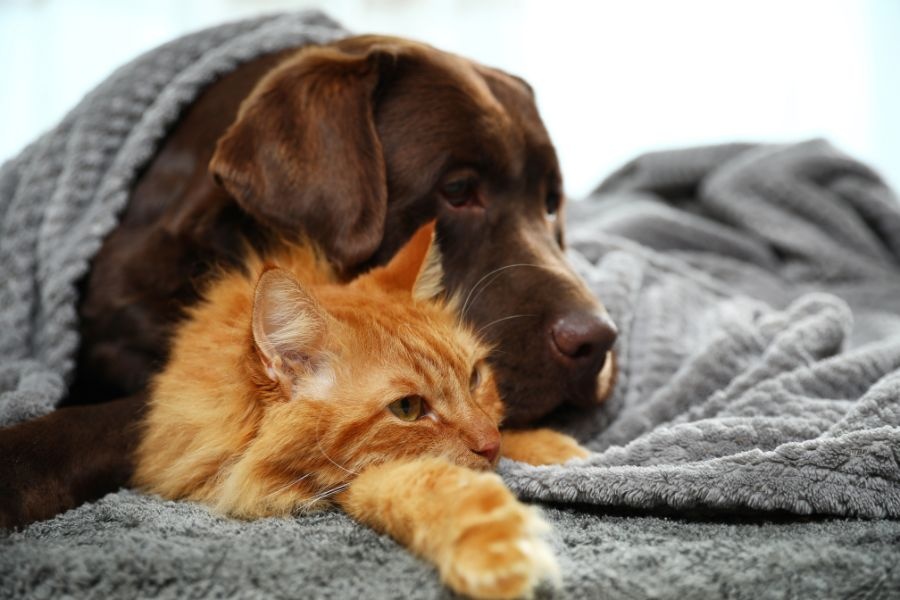
As the warm weather rolls in and the days grow longer, we all look forward to spending more time outdoors with our furry companions. Whether it is a hike through the local parks, a relaxing afternoon in the backyard, or simply lounging on the porch, summer brings endless opportunities for bonding. However, the season also introduces unique seasonal risks that every pet owner should keep on their radar. Ensuring your pets stay safe during the warmer months requires a bit of extra vigilance and proactive care.
Here at Green Family Veterinary Practice in Warrenville, we want every household to enjoy a fun and carefree season. While our doors are always open to help local families navigate pet wellness, prevention remains your absolute best tool. Understanding what threats lurk in the warm sunshine can keep your pets out of harm’s way. Let us explore the most common summer hazards for dogs and cats and how you can protect them.
The Rising Threat of Heatstroke and Overheating
One of the most dangerous risks associated with the summer months is heat-related illness. Unlike humans, dogs and cats do not sweat effectively through their skin; instead, they primarily cool themselves by panting and through the small sweat glands in their paw pads. This makes them significantly more vulnerable to rapid body temperature spikes, particularly on humid days or during strenuous physical activity.
When temperatures soar, leaving a pet in a parked car—even for a few minutes with the windows cracked—can turn fatal in minutes. Asphalt and concrete also absorb intense solar heat, scorching sensitive paw pads during midday walks. To protect your companion, restrict outdoor exercise to the cooler early morning or late evening hours. Always ensure your pet has constant access to fresh, cool water and shaded resting areas whenever they spend time outdoors.
Pests, Parasites, and Outdoor Critters
Warmer weather signals the active season for a wide variety of outdoor pests. Ticks, mosquitoes, and fleas thrive in the heat, posing continuous health challenges for roaming dogs and outdoor cats. Mosquitoes transmit heartworm disease, a serious condition that affects the lungs and heart, while ticks can carry dangerous pathogens like Lyme disease.
Beyond microscopic parasites, summer brings larger local wildlife out of hiding. Snakes, bees, wasps, and toads become much more active, and curious pets often try to investigate them. A sting or a bite can trigger localized swelling, allergic reactions, or intense pain. Regular preventive care, routine wellness checks with a trusted local veterinarian, and keeping your yard well-maintained will go a long way in keeping these uninvited pests at bay.
Water Safety and Backyard Dangers
A refreshing dip in a pool, lake, or sprinkler can seem like the ideal way for a dog to beat the heat, but water activities carry hidden dangers. Not all dogs are natural swimmers, and choppy lake currents or slippery pool edges can cause exhaustion or accidental drowning. Furthermore, stagnant outdoor water sources can harbor harmful bacteria, blue-green algae, and parasites like Giardia, which cause severe gastrointestinal distress if ingested.
Backyards also present various hidden chemical and botanical hazards during the summer growing season:
- Flea, Tick, and Lawn Chemicals: Insecticides, weed killers, and chemical fertilizers applied to lawns can poison pets if they walk through treated grass and then lick their paws.
- Toxic Summer Plants: Popular landscaping plants like lilies, oleander, sago palms, and certain bulbs are highly toxic to dogs and cats if nibbled or ingested.
- Human Picnic Foods: Summer barbecues feature grilled meats, onions, grapes, and chocolate—all of which pose significant toxicity risks to curious pets looking for scraps.
Creating a Safe Haven for Your Pets
Keeping your pets safe during the summer does not mean keeping them locked indoors all season. With a mindful approach, you can easily balance outdoor fun with essential safety protocols. Always check the temperature of the pavement with the back of your hand before taking your dog for a walk. Provide plenty of portable water during outings, and watch closely for signs of heat exhaustion, such as excessive panting, drooling, weakness, or bright red gums.
Building a secure environment allows your pets to experience the best parts of the season without unnecessary risks. Staying educated on local environmental factors ensures that every summer memory you make with your companion remains a happy one.
Partnering with Your Community Animal Care Team
Navigating seasonal health changes is much easier when you have a reliable veterinary partner by your side. Every pet responds differently to environmental shifts, and individualized guidance ensures your companion receives care tailored specifically to their age, breed, and lifestyle.
Our team at Green Family Veterinary Practice is proud to serve families throughout the Warrenville area. Whether you need routine wellness advice, customized parasite prevention plans, or simply want to chat about seasonal safety, we are here to support you. Reach out to our Warrenville clinic today to schedule a consultation and keep your pets healthy, happy, and safe all summer long.
FAQ
Q1. What are the primary signs that my dog or cat is overheating during hot summer days?
Ans: Key warning signs include heavy, distressed panting, excessive drooling, bright red gums, lethargy, unsteady balance, and vomiting.
Q2. Are natural bodies of water like lakes and rivers safe for dogs to swim in during the summer?
Ans: Natural water sources can carry risks such as strong currents, harmful bacteria, and toxic blue-green algae, so supervision and fresh drinking water are always necessary.
Q3. How can I protect my pet’s paws from hot asphalt during walks in Warrenville?
Ans: You can test pavement temperature with the back of your hand for five seconds, walk your pets only during early morning or late evening hours, and stick to grassy paths.
Q4. What steps should I take if my pet ingests a toxic summer plant from the garden?
Ans: You should immediately contact your veterinarian or an animal poison control hotline, providing the exact plant name and the estimated amount consumed.
Q5. Why is regular wellness care with a local veterinarian important before summer starts?
Ans: A seasonal checkup allows your veterinarian to update crucial preventive care, screen for early health issues, and provide tailored advice for local climate challenges.