28341 Diehl Rd. Warrenville, IL 60555

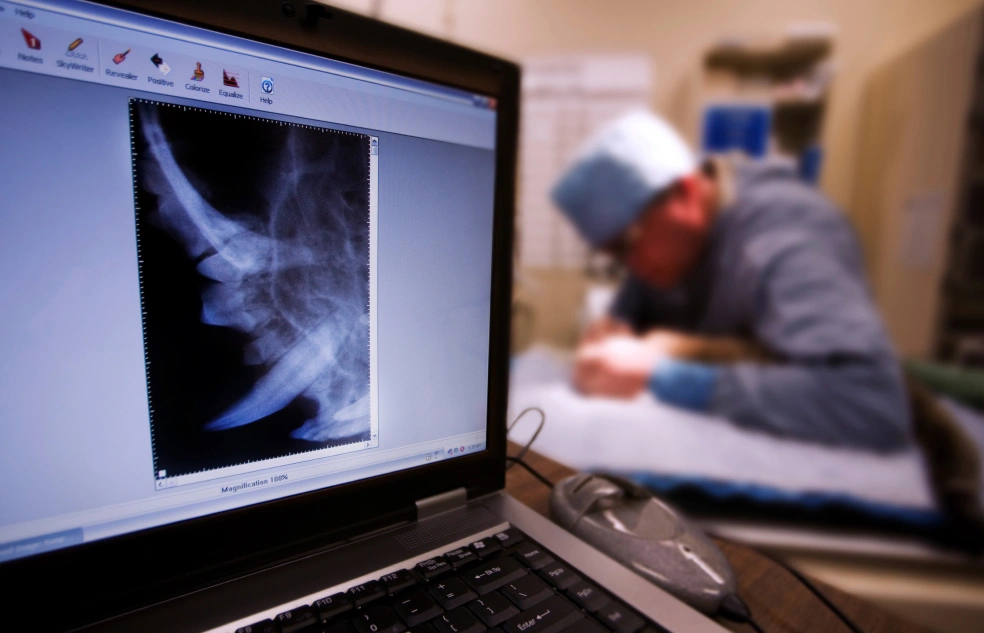
As pet owners, we strive to provide the best care for our furry companions. One of the most effective ways to ensure their health is through regular veterinary diagnostics. These diagnostic tools play a crucial role in identifying chronic diseases in pets, often before symptoms become apparent. Early detection through veterinary diagnostics can lead to more effective treatments and a better quality of life for your pet.
Understanding Veterinary Diagnostics
Veterinary diagnostics encompass a range of tests and procedures that help veterinarians assess your pet’s health. These include:
- Blood Tests: Evaluate organ function, detect infections, and identify metabolic disorders.
- Urinalysis: Provides information about kidney function and can detect urinary tract infections.
- Imaging: X-rays, ultrasounds, and MRIs help visualize internal structures to identify abnormalities.
- Biopsy: A sample of tissue is examined to diagnose conditions like cancer.
These tools allow veterinarians to detect issues that may not be visible during a physical examination, enabling early intervention.
Importance of Early Detection
Many chronic diseases in pets, such as kidney disease, diabetes, and heart conditions, develop slowly and may not show noticeable symptoms until they are advanced. By the time signs appear, the disease may be difficult to treat. Routine diagnostic testing can uncover these conditions in their early stages, allowing for timely treatment and better management.
For instance, routine blood work can reveal early signs of kidney dysfunction, enabling dietary adjustments and medications that can slow disease progression. Similarly, early detection of diabetes through blood glucose tests allows for insulin therapy to manage the condition effectively.
Common Chronic Diseases Detected Through Diagnostics
Veterinary diagnostics are instrumental in identifying several chronic diseases in pets:
- Kidney Disease: Blood tests can detect elevated levels of waste products like urea and creatinine, indicating impaired kidney function.
- Diabetes: Blood glucose levels can be monitored to diagnose diabetes and adjust insulin therapy accordingly.
- Thyroid Disorders: Blood tests can identify imbalances in thyroid hormone levels, leading to appropriate treatment.
- Heart Disease: Imaging techniques like echocardiograms can detect heart murmurs and structural abnormalities.
- Cancer: Biopsy and imaging can identify tumors, allowing for early intervention.
How Diagnostics Improve Treatment Outcomes
Early detection through veterinary diagnostics allows for more effective treatment plans. When diseases are identified early, veterinarians can:
- Develop targeted treatment strategies.
- Monitor the disease’s progression closely.
- Adjust treatments as needed to manage the condition effectively.
- Provide guidance on lifestyle and dietary changes to support your pet’s health.
This proactive approach can significantly improve your pet’s prognosis and quality of life.
Routine Diagnostic Testing Recommendations
The frequency of diagnostic testing depends on your pet’s age, breed, and health status. Generally, it’s recommended to have:
- Annual Check-ups: For healthy adult pets, annual wellness exams with basic diagnostics can help catch early signs of disease.
- Semi-Annual Check-ups: For senior pets or those with known health issues, biannual exams are advisable.
- Targeted Testing: If your pet shows specific symptoms, targeted diagnostics can help identify the underlying cause.
Your veterinarian will provide personalized recommendations based on your pet’s individual needs.
Veterinary diagnostics are a vital component of proactive pet care. They enable early detection of chronic diseases, leading to more effective treatments and improved quality of life for your pet. If you’re seeking reliable veterinary diagnostics in Warrenville, IL, consult with a trusted local veterinarian to ensure your pet receives the best possible care.
Frequently Asked Questions (FAQs)
Q1. What are veterinary diagnostics?
Ans. Veterinary diagnostics are tests and procedures used by veterinarians to assess your pet’s health and detect diseases.
Q2. Why is early detection important for chronic diseases in pets?
Ans. Early detection allows for timely treatment, which can slow disease progression and improve your pet’s quality of life.
Q3. What types of tests are included in veterinary diagnostics?
Ans. Common tests include blood work, urinalysis, imaging (X-rays, ultrasounds), and biopsies.
Q4. How often should my pet undergo diagnostic testing?
Ans. Healthy adult pets should have annual check-ups, while senior pets or those with health issues may require more frequent testing.
Q5. Are these diagnostic tests safe for pets?
Ans. Yes, veterinary diagnostic tests are generally safe and are performed by trained professionals to ensure your pet’s comfort.
Q6. Can I prevent chronic diseases in my pet?
Ans. While not all chronic diseases can be prevented, regular veterinary visits and a healthy lifestyle can reduce the risk and help in early detection.