28341 Diehl Rd. Warrenville, IL 60555

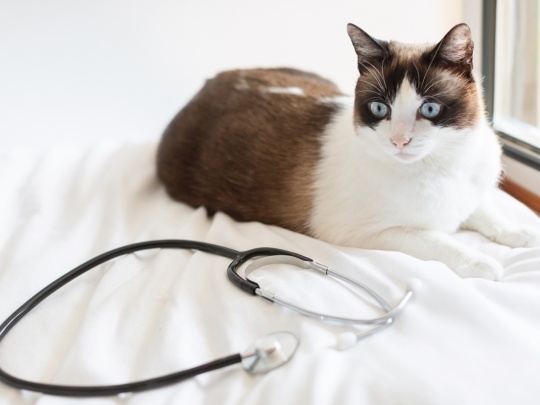
Cats are remarkably good at hiding changes in their health. A cat may continue eating, sleeping, and interacting with the family even when something is beginning to change internally. This can make it difficult for owners to know when a concern requires more than observation.
That is where cat diagnostic care becomes important. Veterinarians have access to different diagnostic tools, and each test provides different information. Bloodwork, X-rays, ultrasound, urine testing, and other evaluations may all have a role depending on the cat and the concern being investigated.
For cat owners in Warrenville, understanding how veterinarians select diagnostic tests can make the process easier to understand. At Green Family Veterinary Practice, your veterinary team can evaluate your cat’s symptoms, medical history, and physical examination findings before determining which diagnostic approach may be appropriate.
Diagnostic Testing Starts With a Physical Examination
Before recommending a diagnostic test, a veterinarian typically begins by examining the cat. This initial evaluation provides important clues about what may be happening.
The veterinarian may assess your cat’s weight, body condition, heart and breathing patterns, abdomen, skin, eyes, ears, mouth, movement, and overall behavior. The cat’s age and medical history are also considered.
This information helps narrow down possible causes and guides the next step.
For example, a cat with weight loss and increased thirst may require a different diagnostic approach from a cat with difficulty walking. A cat experiencing digestive changes may need different testing than one showing respiratory concerns.
The purpose of diagnostics care is to gather useful information based on the individual situation rather than automatically performing every available test.
Your Cat’s Symptoms Help Guide the Decision
Symptoms are an important part of diagnostic planning. Your veterinarian will want to know what you have noticed at home and how long the changes have been present.
Useful details may include changes in appetite, water consumption, urination, bowel movements, activity, grooming, sleep, behavior, or body weight.
The timing of symptoms can also provide valuable context. A sudden change may lead to a different diagnostic approach from a gradual change that has developed over several months.
Owners should share even subtle observations because cats can display very mild signs when they are not feeling well. These details can help the veterinary team decide which diagnostic tools are most relevant.
When Bloodwork May Be Recommended
Blood testing can provide information about blood cells, organ function, and various processes occurring inside the body.
A complete blood count can help evaluate red blood cells, white blood cells, and platelets. Other laboratory testing can provide information about areas such as the liver, kidneys, blood sugar, and other metabolic functions.
Bloodwork may be considered when a cat has unexplained weight changes, decreased appetite, increased thirst, reduced energy, digestive changes, or other concerns.
Laboratory testing may also be useful when a veterinarian wants a broader picture of a cat’s internal health.
One important advantage of bloodwork is that it can identify changes that are not necessarily visible from the outside. A cat may appear relatively normal while laboratory results indicate that additional evaluation could be helpful.
When X-Rays Can Provide Useful Information
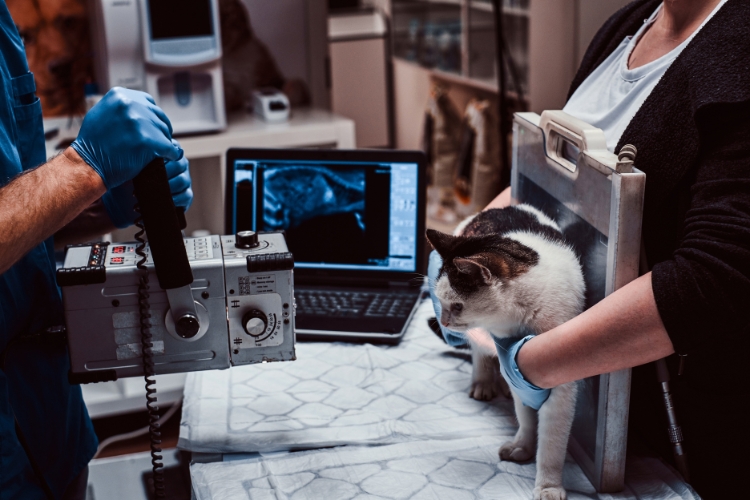
X-rays are an imaging tool that can help veterinarians evaluate certain structures inside the body.
They are commonly useful for assessing bones and joints, but they can also provide information about areas such as the chest and abdomen.
If a cat has an injury, changes in movement, or signs that could involve the bones or joints, X-rays may be considered. They can also help veterinarians evaluate certain changes involving the lungs or other internal structures.
X-rays do not provide the same information as blood testing or ultrasound. Instead, they contribute another type of information that may help the veterinarian understand what is happening.
When Ultrasound May Be Appropriate
Ultrasound uses sound waves to create images of internal structures. It can provide detailed information about many soft tissues and organs.
For cats with certain abdominal concerns, ultrasound may help a veterinarian examine structures such as the liver, kidneys, digestive tract, bladder, or other areas.
Ultrasound can be particularly useful when a veterinarian needs more detailed information about soft tissues than a physical examination or standard X-ray may provide.
The decision to recommend ultrasound depends on the clinical findings and the questions the veterinarian needs to answer.
Why Urine Testing Can Matter
Urine testing is another valuable component of cat diagnostic care. It can provide information about urinary health and may also offer clues about other aspects of a cat’s condition.
A urinalysis can help evaluate factors such as urine concentration and the presence of certain substances or abnormalities.
Urine testing may be considered when a cat shows changes in urination, increased thirst, or other signs that could involve the urinary system.
In some cases, urine results are most useful when considered alongside bloodwork and physical examination findings. Combining information from different sources can give the veterinarian a clearer overall picture.
Why Veterinarians Sometimes Use More Than One Test
One diagnostic test does not always answer every question.
For example, bloodwork may identify a change in organ function but cannot necessarily show the physical appearance of an organ. Imaging may provide information about structure but cannot replace laboratory testing.
Using complementary diagnostic tools can therefore be helpful.
A veterinarian may start with one test and recommend another based on the results. This step-by-step approach can make diagnostics care more focused and help the veterinary team gather information that is relevant to the individual cat.
Your Cat’s Age and Medical History Matter
Age can influence the types of health concerns a veterinarian considers. A young cat may have different diagnostic considerations from an older cat.
Previous illnesses, ongoing medications, earlier test results, weight changes, and past procedures can also affect diagnostic planning.
This is why maintaining your cat’s medical history is valuable. If you have noticed changes since your cat’s last veterinary visit, share those details during the appointment.
For families in Warrenville, regular veterinary visits also allow the team to compare current findings with previous observations and identify changes over time.
What Owners Can Do Before a Diagnostic Visit
You can help your veterinarian by paying close attention to your cat’s routine before the appointment.
Make notes about appetite, drinking, litter box habits, activity, vomiting, stool changes, grooming, sleep, and behavior. If possible, note when a change began and whether it has become more frequent.
It can also be helpful to bring information about your cat’s current diet and any medications or supplements they receive.
These details can provide valuable context and help your veterinarian make informed decisions about cat diagnostic care.
Diagnostic Testing Is About Finding Answers
Diagnostic testing is not simply about ordering a test. Each diagnostic tool has a purpose, and veterinarians select tests based on the questions they need to answer.
Bloodwork can provide laboratory information. X-rays can show certain internal structures. Ultrasound can provide detailed views of soft tissues. Urine testing can provide additional information about urinary and overall health.
By combining these tools with a physical examination and medical history, veterinarians can develop a more complete understanding of a cat’s condition.
At Green Family Veterinary Practice, discussing your cat’s symptoms and lifestyle with the veterinary team can help determine what type of diagnostics care may be appropriate.
Support Your Cat’s Health With Thoughtful Diagnostics Care
Cats can hide subtle health changes, making regular veterinary attention and careful observation especially valuable. If you notice changes in appetite, weight, energy, behavior, drinking, or litter box habits, keep track of what you are seeing and share those observations with your veterinarian.
The right diagnostic test depends on the individual cat. A thoughtful approach allows the veterinary team to focus on the information most relevant to your pet’s situation.
For cat owners in Warrenville, Green Family Veterinary Practice can help you understand your cat’s diagnostic needs and take informed steps toward ongoing wellness.
Schedule an Online Appointment With Green Family Veterinary Practice
Have you noticed an unexplained change in your cat’s health or daily routine? Consider scheduling an online appointment with Green Family Veterinary Practice in Warrenville.
A veterinary consultation gives you an opportunity to discuss your concerns and learn whether bloodwork, imaging, urine testing, or another form of cat diagnostic care may be appropriate.
Frequently Asked Questions
Q1. How does a veterinarian decide which diagnostic test my cat needs?
Ans: The veterinarian considers your cat’s symptoms, physical examination findings, age, medical history, and overall condition. These factors help determine which test may provide useful information.
Q2. Can bloodwork and X-rays provide different information about my cat?
Ans: Yes. Bloodwork provides information about blood cells and certain internal functions, while X-rays create images of specific structures. They are complementary diagnostic tools.
Q3. Why might my cat need an ultrasound after bloodwork?
Ans: Bloodwork may indicate that further evaluation is useful without showing the physical appearance of an organ. Ultrasound can provide detailed images of many soft tissues and internal structures.
Q4. Is urine testing useful as part of cat diagnostic care?
Ans: Yes. Urine testing can provide information about urinary health and may offer additional clues when considered alongside the physical examination and other diagnostic results.
Q5. What information should I provide before my cat has diagnostic testing?
Ans: Tell your veterinarian about changes in appetite, thirst, weight, activity, behavior, urination, bowel movements, and other daily habits. Also provide information about your cat’s diet, medications, and medical history.