28341 Diehl Rd. Warrenville, IL 60555

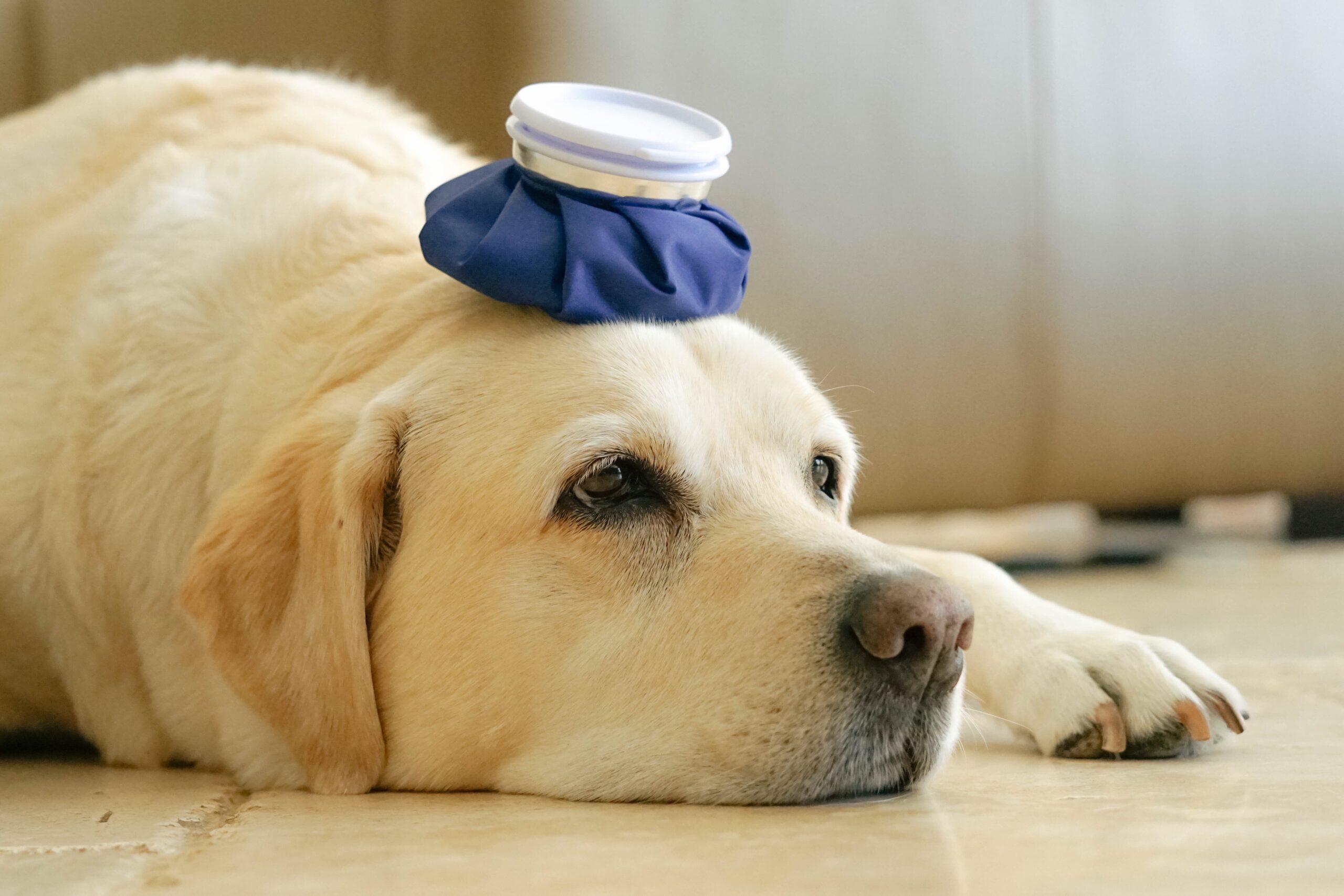
As pet owners, we all want our furry companions to live long, healthy, and happy lives. While regular checkups, proper nutrition, and exercise are important, one of the most effective ways to protect your pet’s health is through routine wellness testing. Many illnesses in pets develop silently, showing little to no symptoms during the early stages. By the time visible signs appear, the condition may already be advanced.
Routine wellness testing helps veterinarians identify potential health problems before they become serious. From bloodwork and urinalysis to parasite screenings and diagnostic evaluations, preventive testing plays a vital role in maintaining your pet’s overall well-being. At Green Family Veterinary Practice, preventive care is designed to support pets through every stage of life while helping families make informed decisions about their companion’s health.
What Is Routine Wellness Testing?
Routine wellness testing refers to a series of diagnostic evaluations performed during regular veterinary visits. These tests are designed to assess your pet’s internal health, even when they appear perfectly healthy on the outside.
Wellness testing may include:
- Complete blood count (CBC)
- Blood chemistry panels
- Urinalysis
- Fecal exams
- Heartworm testing
- Thyroid screenings
- Parasite testing
- Blood pressure checks
These screenings give veterinarians a clearer picture of how your pet’s organs and body systems are functioning. Since pets cannot communicate discomfort or early symptoms, diagnostic testing often becomes the first clue that something may be wrong.
Why Early Detection Matters
Early detection can significantly improve treatment outcomes for many conditions. Diseases such as kidney disease, diabetes, liver problems, thyroid disorders, and infections may progress quietly for months before obvious symptoms develop.
When a health issue is identified early:
- Treatment can begin sooner
- Complications may be reduced
- Long-term healthcare costs may decrease
- Pets often experience better quality of life
- Disease progression may be slowed
For example, a senior dog with early kidney disease may still act normal at home. However, routine bloodwork could reveal subtle changes in kidney values before symptoms like weight loss, vomiting, or dehydration occur. Detecting the issue early gives veterinarians the opportunity to recommend dietary adjustments, medications, and monitoring strategies that help extend your pet’s comfort and longevity.
Bloodwork Provides Valuable Insight
Blood tests are one of the most important components of wellness testing. They help veterinarians evaluate red and white blood cells, organ function, hydration levels, blood sugar, and more.
A complete blood count can reveal:
- Anemia
- Infections
- Inflammation
- Immune system abnormalities
Blood chemistry testing can help detect:
- Kidney disease
- Liver dysfunction
- Diabetes
- Electrolyte imbalances
- Pancreatitis
Even when pets appear healthy, bloodwork may uncover hidden concerns that require monitoring or treatment. Baseline blood tests are especially valuable because they allow veterinarians to compare future results and identify subtle changes over time.
Pet owners searching for proactive healthcare often benefit from learning more about personalized preventive veterinary services that support early disease monitoring throughout every life stage.
The Importance of Urinalysis in Preventive Care
Urinalysis is another important tool used during wellness exams. This simple test provides information about kidney health, urinary tract function, hydration, and possible infections.
A urinalysis may help identify:
- Urinary tract infections
- Kidney disease
- Diabetes
- Bladder crystals or stones
- Dehydration
In many cases, abnormalities in urine appear before symptoms become noticeable at home. Combined with bloodwork, urinalysis gives veterinarians a more complete understanding of your pet’s internal health.
Wellness Testing for Puppies and Kittens
Young pets also benefit from wellness testing. Puppies and kittens are more vulnerable to parasites, congenital conditions, and infectious diseases during their early development.
Routine testing for younger pets may include:
- Fecal examinations for intestinal parasites
- Viral screenings
- Nutritional evaluations
- Growth monitoring
Early preventive care helps establish a strong health foundation while ensuring pets receive the support they need during critical growth stages.
Families in Warrenville often prioritize wellness visits for new pets to ensure they begin life with proper preventive healthcare and early medical guidance.
Senior Pets Need More Frequent Monitoring
As pets age, their risk for chronic disease increases. Senior dogs and cats may develop age-related conditions gradually, often without immediate warning signs.
Routine wellness testing becomes even more important for older pets because it helps monitor:
- Organ function
- Arthritis-related changes
- Hormonal imbalances
- Heart health
- Metabolic conditions
Many veterinarians recommend wellness testing every six months for senior pets rather than once a year. Since pets age faster than humans, health conditions can progress quickly between visits.
Senior wellness care also allows veterinarians to track trends over time and adjust treatment plans before conditions worsen.
Parasite Screening Helps Protect Pets and Families
Parasite prevention is another essential part of routine wellness testing. Internal parasites such as roundworms, hookworms, whipworms, and Giardia may affect pets without causing immediate symptoms.
Regular fecal testing helps identify hidden parasite infections that can impact your pet’s health and, in some cases, pose risks to humans.
Heartworm testing is equally important, especially for dogs. Heartworm disease can cause severe damage to the heart and lungs if left untreated. Early testing combined with year-round prevention provides strong protection against this dangerous condition.
Pet owners looking to maintain year-round parasite protection may also explore seasonal pet wellness strategies that help reduce exposure risks both indoors and outdoors.
Preventive Care Saves Money Over Time
Some pet owners hesitate about wellness testing because their pet seems healthy. However, preventive care is often far more affordable than emergency treatment for advanced illnesses.
Detecting a condition early may help avoid:
- Emergency hospital visits
- Extensive surgeries
- Advanced disease management
- Long-term hospitalization
Routine testing supports better planning and allows veterinarians to address minor concerns before they become major medical issues. Preventive healthcare is not only an investment in your pet’s well-being but also a practical way to reduce unexpected healthcare expenses in the future.
Building a Health History for Your Pet
One of the overlooked benefits of wellness testing is the ability to establish a long-term medical history for your pet. Consistent records help veterinarians identify changes that might otherwise go unnoticed.
For example, gradual shifts in liver enzymes or kidney values may not appear alarming during a single visit. However, when compared to previous results, these patterns may indicate the beginning stages of disease.
Tracking health trends over time allows for more accurate diagnoses and personalized treatment recommendations.
Reducing Stress Through Preventive Veterinary Visits
Routine veterinary visits also help pets become more comfortable with examinations and diagnostic procedures. Pets who receive regular wellness care are often less anxious during appointments because they become familiar with the veterinary environment.
This makes future healthcare experiences smoother for both pets and owners. Preventive visits create positive opportunities to discuss nutrition, weight management, behavior changes, dental health, and lifestyle recommendations that contribute to overall wellness.
In Warrenville, many pet families choose routine wellness care as part of a long-term approach to helping their companions stay active and healthy through every phase of life.
Final Thoughts
Routine wellness testing is one of the most valuable tools in preventive veterinary medicine. By identifying health problems early, veterinarians can provide timely treatment, improve outcomes, and help pets enjoy healthier lives for years to come.
From bloodwork and urinalysis to parasite screenings and senior wellness monitoring, these tests offer important insights that may not be visible during a physical examination alone. Preventive care gives pet owners peace of mind while supporting their companion’s long-term health and comfort.
At Green Family Veterinary Practice, compassionate preventive care is focused on helping pets thrive through proactive wellness services tailored to their unique needs. Book an appointment today to give your pet the benefit of early detection and lifelong health support.
FAQs
1. How often should pets receive wellness testing?
Ans: Most healthy adult pets should receive wellness testing annually. Senior pets or pets with chronic conditions may benefit from testing every six months.
2. What diseases can routine bloodwork detect in pets?
Ans: Routine bloodwork may help detect kidney disease, liver disease, diabetes, infections, anemia, thyroid disorders, and other underlying health conditions.
3. Is wellness testing necessary if my pet seems healthy?
Ans: Yes. Many illnesses develop gradually and may not show visible symptoms during the early stages. Wellness testing helps identify hidden problems before they become serious.
4. At what age should senior wellness testing begin?
Ans: Many pets are considered seniors around seven years of age, although this varies by breed and size. Your veterinarian can recommend an appropriate wellness schedule based on your pet’s age and health history.
5. Can preventive testing reduce emergency veterinary visits?
Ans: Routine wellness testing may help detect medical concerns earlier, allowing for treatment before conditions become severe or require emergency care.