28341 Diehl Rd. Warrenville, IL 60555

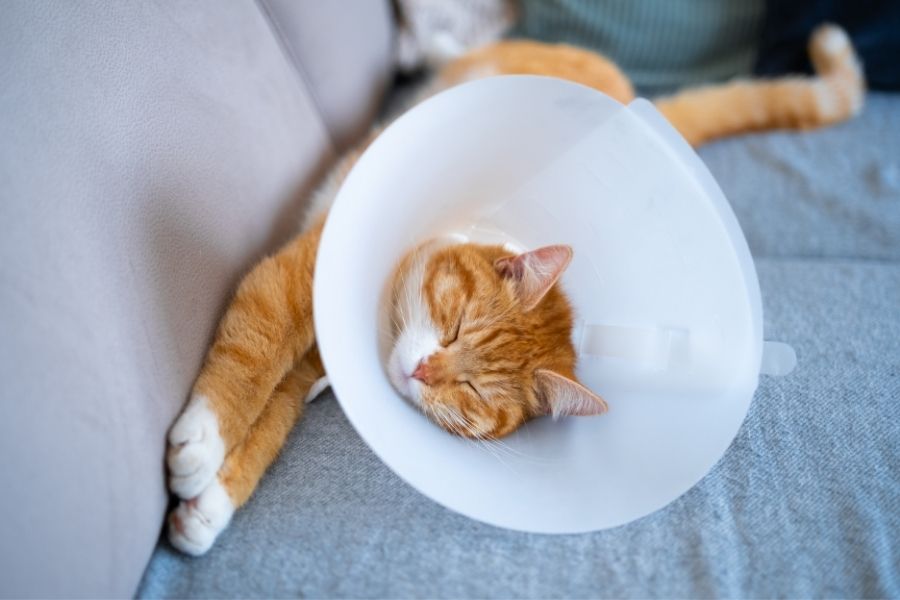
When a cat develops a health problem, surgery may be one possible treatment, but it is not automatically the right choice. Veterinarians consider several factors before recommending a surgical procedure. The goal is to understand the underlying problem, evaluate the cat’s overall health, and determine whether surgery is likely to provide meaningful benefits.
For cat owners in Warrenville, understanding the decision-making process can make a veterinary recommendation easier to understand. Cat surgical care involves more than the procedure itself. It includes evaluation before surgery, careful planning, monitoring during treatment, and appropriate recovery support afterward.
At Green Family Veterinary Practice, your veterinary team can assess your cat’s individual condition and discuss whether cat surgery may be an appropriate treatment option.
What Leads a Veterinarian to Consider Surgery?
Surgery may be considered when a medical condition cannot be adequately managed through other approaches or when a procedure offers a practical way to address the underlying problem.
A veterinarian first needs to understand what is causing the cat’s health concern. Symptoms such as persistent vomiting, difficulty moving, abdominal changes, unusual growths, injuries, or other physical abnormalities may require further investigation.
Diagnostic testing can provide additional information before a surgical recommendation is made. Depending on the situation, this may include bloodwork, X-rays, ultrasound, or other appropriate testing.
The findings help the veterinarian determine what is happening and whether surgery could be useful.
A Physical Examination Comes First
A thorough physical examination is an important part of surgical decision-making. Your veterinarian may evaluate your cat’s weight, body condition, heart and breathing patterns, abdomen, skin, movement, and general behavior.
The examination can also reveal factors that could affect the procedure or recovery.
For example, a cat with another underlying health concern may need additional evaluation before surgery is considered. Understanding the cat’s overall condition helps the veterinary team develop a more informed treatment plan.
This individualized approach is an important part of cat surgical care.
Diagnostic Testing Helps Define the Problem
Before recommending surgery, veterinarians often need more information about the condition being treated.
Bloodwork can provide information about blood cells and certain aspects of organ function. X-rays can help evaluate bones and other internal structures. Ultrasound can provide detailed images of many soft tissues and organs.
The type of testing recommended depends on the symptoms and suspected condition.
Diagnostic results can help answer important questions, such as where a problem is located, how extensive it may be, and whether there are additional health concerns that should be considered before treatment.
When Surgery May Offer an Advantage
Surgery can sometimes address a physical problem directly when other treatment approaches may not provide the desired result.
For example, certain masses, foreign objects, injuries, or structural problems may require a procedure to correct or remove the underlying issue.
However, the veterinarian must consider whether the potential benefits of surgery outweigh the risks for that particular cat.
This decision is based on the individual circumstances rather than a single symptom or test result.
Your Cat’s Overall Health Matters
A cat’s overall health can influence whether surgery is appropriate and how the procedure should be planned.
Age, body condition, existing health concerns, previous procedures, current medications, and diagnostic findings can all be relevant.
An older cat is not automatically unsuitable for surgery. Likewise, a young cat is not automatically considered low risk. Every patient needs an individual assessment.
The veterinary team may recommend additional testing when it is necessary to better understand your cat’s health before proceeding.
Understanding the Potential Benefits and Risks
Every surgical procedure has potential benefits and potential risks. Your veterinarian should explain both before a decision is made.
The potential benefit depends on the condition being treated and the purpose of the procedure. The risks can vary based on the type of surgery, the cat’s health, and other individual factors.
Discussing these considerations gives owners an opportunity to make informed decisions.
If you are unsure why surgery has been recommended, ask your veterinarian what the procedure is intended to accomplish, what alternatives may exist, and what recovery could involve.
Anesthesia Is Part of Surgical Planning
Anesthesia allows many surgical procedures to be performed safely and comfortably while the cat remains unconscious and still.
Before anesthesia, the veterinary team considers factors such as the cat’s age, health history, physical examination findings, and appropriate diagnostic results.
The veterinary team can then develop an anesthesia and monitoring plan suited to the individual patient.
Anesthesia planning is an important part of cat surgical care because the cat’s condition and the nature of the procedure both influence how care should be organized.
What Happens During the Decision Process?
Surgical decisions typically involve several stages. First, the veterinarian evaluates the cat and learns about the symptoms. Diagnostic testing may then be recommended to clarify the problem.
Once enough information is available, the veterinarian can discuss potential treatment options. If surgery is considered appropriate, the team can explain what the procedure involves and what owners should expect during recovery.
This process allows treatment decisions to be based on information rather than assumptions.
Recovery Is Considered Before Surgery
A surgical recommendation does not end with the procedure. Recovery is another important factor.
Your veterinarian may discuss activity restrictions, medication instructions, feeding, incision monitoring, and follow-up care depending on the type of surgery performed.
Cats can respond differently to procedures, so owners should follow the veterinary team’s specific instructions.
Preparing your home before the procedure can also make recovery easier. A quiet, comfortable area can help your cat rest while following any recommended activity limitations.
How Owners Can Help With Surgical Planning
Pet owners can provide valuable information before a surgical decision is made.
Tell your veterinarian about changes in appetite, weight, energy, behavior, digestion, litter box habits, and activity. Provide information about medications and previous health concerns as well.
If your cat has experienced symptoms for several days or weeks, describe when the changes began and whether they have become more frequent or severe.
Accurate information can help the veterinary team understand your cat’s condition and make a more informed recommendation.
Why Individualized Cat Surgical Care Matters
There is no universal surgical plan for every cat. The appropriate approach depends on the condition being treated and the patient’s overall health.
A veterinarian may recommend surgery for one cat while choosing a different treatment strategy for another cat with similar symptoms. Differences in diagnostic findings, age, medical history, and physical condition can all influence the decision.
This individualized approach helps ensure that cat surgery is considered for the right reasons and with appropriate preparation.
For cat owners in Warrenville, maintaining a relationship with a veterinary practice can also make it easier to monitor changes in health and discuss treatment options when concerns arise.
Supporting Your Cat Before and After Surgery
If surgery is recommended, preparation and follow-up are important parts of the process. Follow your veterinary team’s instructions regarding food, medications, activity, and appointment timing.
After the procedure, observe your cat closely and follow all recovery instructions. Contact your veterinary team if you notice changes that concern you or if your cat is not recovering as expected.
Good follow-up care can support a smoother recovery and help the veterinary team identify concerns that may require additional attention.
Schedule an Online Appointment With Green Family Veterinary Practice
If your cat has developed a health concern and you are wondering whether cat surgery may be appropriate, consider scheduling an online appointment with Green Family Veterinary Practice in Warrenville.
A veterinary consultation can help you understand your cat’s condition, available treatment options, and whether further diagnostic evaluation or surgical care should be considered. Discussing your concerns early can help you make informed decisions about your cat’s health.
Frequently Asked Questions
Q1. How does a veterinarian determine whether a cat needs surgery?
Ans: The veterinarian considers the cat’s symptoms, physical examination, diagnostic findings, medical history, overall health, and potential benefits and risks of the procedure before making a recommendation.
Q2. Does every cat need diagnostic testing before surgery?
Ans: The need for testing depends on the procedure and the individual cat. Your veterinarian may recommend bloodwork or imaging when additional information is needed to plan appropriate treatment.
Q3. Does a cat’s age affect the decision to perform surgery?
Ans: Age is one factor among many. A veterinarian also considers overall health, physical examination findings, medical history, and diagnostic results when evaluating whether surgery is appropriate.
Q4. What should I expect from cat surgical care after a procedure?
Ans: Recovery may involve rest, activity limitations, medication, incision monitoring, feeding instructions, and follow-up evaluation. Specific instructions depend on the procedure and your cat’s individual needs.
Q5. What should I tell my veterinarian before my cat has surgery?
Ans: Share information about your cat’s symptoms, appetite, weight, behavior, activity, medications, previous health concerns, and any changes you have noticed. These details can help with surgical planning.