28341 Diehl Rd. Warrenville, IL 60555

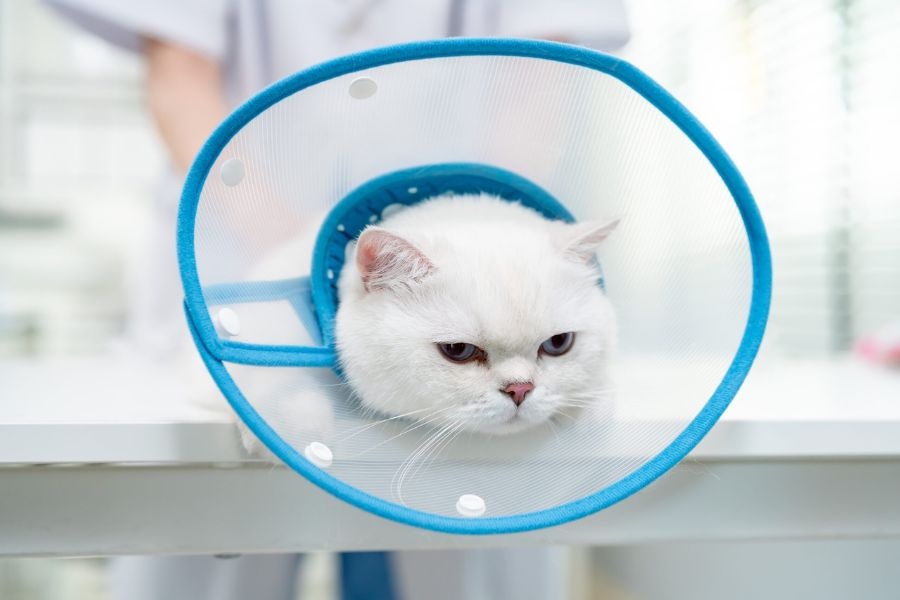
Many cat owners believe that keeping their feline companion indoors protects them from serious health problems. While indoor cats are generally exposed to fewer outdoor risks, they are not immune to medical conditions that may require cat surgery. Some issues develop because of aging, genetics, accidents inside the home, or illnesses that cannot be prevented simply by staying indoors.
Understanding these possibilities allows owners to recognize changes early and seek veterinary care before problems become more advanced.
Indoor Living Doesn’t Eliminate Health Risks
Living indoors certainly reduces exposure to traffic, wildlife, and environmental hazards, but it does not prevent every medical condition.
Cats can still develop:
- Growths or masses
- Dental disease
- Bladder stones
- Intestinal blockages
- Joint injuries
- Internal health conditions
Some of these problems may eventually require surgical treatment to restore comfort and improve quality of life.
Household Accidents Can Lead to Injuries
Home is usually a safe environment, but accidents can still happen.
Cats often climb shelves, leap from furniture, squeeze into tight spaces, or play with household objects. Falls, swallowed foreign objects, or injuries from rough play may lead to conditions that require veterinary evaluation.
Even curious indoor cats can find themselves in situations that place them at risk.
Dental Disease May Require Surgical Treatment
Oral health problems are common in both indoor and outdoor cats.
Over time, plaque and tartar buildup can contribute to damaged teeth or advanced dental disease. In some situations, dental extractions become the most appropriate treatment to relieve discomfort and protect the remaining healthy teeth.
Routine dental examinations help identify these concerns before they become more serious.
Bladder Stones and Urinary Conditions
Some indoor cats develop urinary tract conditions that are unrelated to outdoor activity.
Bladder stones may form because of factors such as diet, genetics, or individual health conditions. Larger stones sometimes require cat surgery when they cannot be managed through other treatment approaches.
Early diagnosis often provides more treatment options and supports a smoother recovery.
Foreign Object Ingestion Is More Common Than You Think
Cats love to investigate their surroundings.
Items such as string, ribbon, hair ties, rubber bands, sewing materials, or small toys can be tempting to chew or swallow. If these objects become lodged within the digestive tract, surgery may be necessary to safely remove them.
Keeping small household objects out of reach helps reduce this risk.
Growths and Internal Masses
Not every lump found on an indoor cat is harmless.
Some growths develop beneath the skin, while others form internally and may only be discovered during routine wellness examinations or diagnostic imaging.
When appropriate, surgery allows veterinarians to remove abnormal tissue while determining its exact nature through laboratory evaluation.
Routine Wellness Visits Matter
Many surgical conditions develop gradually without obvious symptoms.
Routine veterinary examinations allow your veterinarian to monitor your cat’s health over time and identify subtle changes before they significantly affect daily life.
Regular checkups provide opportunities to discuss appetite, behavior, mobility, weight, and any changes you’ve noticed at home.
Know When Something Feels Different
Cats are skilled at hiding discomfort.
Pay attention if your cat begins showing changes such as:
- Reduced appetite
- Vomiting
- Weight loss
- Hiding more often
- Difficulty jumping
- Changes in litter box habits
- Less interest in playing
While these signs do not always indicate surgery is needed, they do suggest it’s time for a veterinary evaluation.
Supporting Your Cat’s Long Term Health
Indoor cats often enjoy long, healthy lives, but they still benefit from regular veterinary care and careful monitoring. Early recognition of health concerns gives veterinarians more opportunities to recommend appropriate treatment before problems become more advanced.
At Green Family Veterinary Practice, we provide compassionate care and advanced cat surgery services when surgical treatment becomes necessary. If you’ve noticed changes in your cat’s health or it’s time for a wellness examination, schedule an online appointment with our experienced veterinary team today.
Frequently Asked Questions
Q1. Can indoor cats really need surgery even if they never go outside?
Ans: Yes. Indoor cats can develop dental disease, bladder stones, growths, digestive blockages, and other medical conditions that may require surgical treatment regardless of their indoor lifestyle.
Q2. What household items commonly cause intestinal blockages in cats?
Ans: Cats may swallow string, ribbon, rubber bands, hair ties, thread, or small toys. These objects can become lodged in the digestive tract and require prompt veterinary evaluation.
Q3. How can routine veterinary visits help prevent surgical complications?
Ans: Regular wellness examinations allow veterinarians to detect subtle health changes early, monitor ongoing conditions, and recommend treatment before problems become more advanced.
Q4. Are dental problems common in indoor cats?
Ans: Yes. Indoor cats can develop plaque, tartar, gum disease, and damaged teeth over time. Routine dental care helps maintain oral health and identify concerns that may require treatment.
Q5. What signs should prompt a veterinary appointment for my indoor cat?
Ans: Changes in appetite, weight loss, vomiting, hiding, reduced activity, difficulty jumping, or litter box changes all deserve veterinary attention to determine the underlying cause.