28341 Diehl Rd. Warrenville, IL 60555

Modern pet care goes far beyond basic checkups and routine exams. When pets show unusual symptoms or changes in behavior, deeper testing helps uncover what is really going on inside their bodies. Advanced tools like imaging and lab work allow early detection of problems that may not be visible from the outside. These methods help guide better decisions and improve outcomes for pets at every stage of life.
Many pet owners feel unsure when hearing about imaging or advanced testing. This blog is especially for pet owners in Warrenville, IL, who want a clear, simple understanding of how these tools help protect their pets. Learning how different pet diagnostics work can help you feel more confident about your pet’s care journey.
Why Advanced Testing Matters More Than Ever
Pets cannot explain how they feel, which makes it harder to identify health issues early. Subtle changes such as low energy, loss of appetite, or unusual behavior may point to deeper concerns. The vet often relies on advanced tools to look beyond surface symptoms and find the root cause.
Modern veterinary diagnostics help detect problems at an earlier stage. Early detection can lead to faster treatment and better recovery outcomes. Waiting too long without proper testing may allow conditions to worsen over time.
Using the right diagnostic approach helps create a clearer picture of your pet’s health. Accurate information leads to better treatment plans and improved quality of life.
Understanding the Basics of Diagnostic Imaging
Imaging plays a key role in identifying internal issues. These methods allow a veterinary team to see inside your pet’s body without surgery. Pet diagnostic imaging includes tools like X-rays and ultrasounds that reveal important details about bones, organs, and tissues.
Each imaging method serves a different purpose. X-rays are often used to examine bones and detect fractures or joint issues. Ultrasounds provide a detailed view of soft tissues, including organs like the liver, kidneys, and heart.
The veterinarian chooses the right imaging method based on your pet’s symptoms. Using the correct tool helps ensure accurate results and effective treatment planning.
When X-Rays Provide Valuable Answers
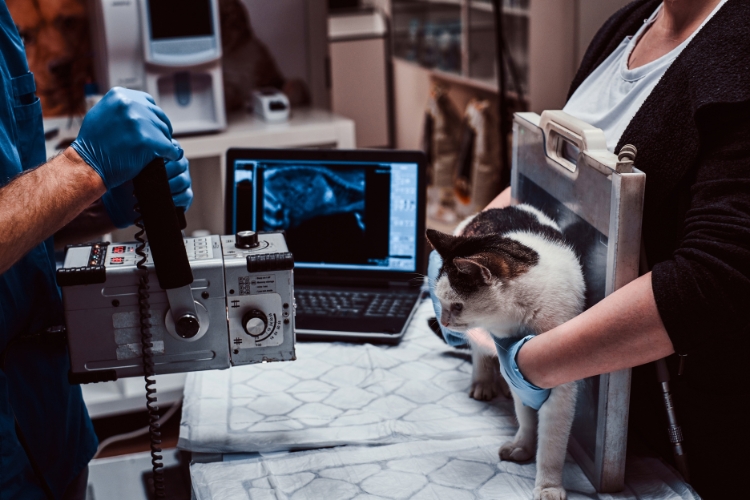
X-rays are one of the most common imaging tools used in veterinary care. They create clear images of bones and certain internal structures. These images help identify fractures, blockages, or changes in the lungs and chest area.
The vet may recommend X-rays when a pet shows signs of injury or breathing problems. The process is quick and usually does not cause discomfort. In some cases, mild sedation may be used to keep the pet still for clearer images.
X-rays help provide immediate insights into your pet’s condition. Quick results allow faster decisions and timely treatment.
How Ultrasound Helps Reveal Hidden Issues
Ultrasound is another important diagnostic tool that provides a closer look at soft tissues. It uses sound waves to create real-time images of internal organs, helping identify abnormalities that may not appear on X-rays.
The vet often uses an ultrasound to examine the heart, liver, kidneys, and abdominal area. It is especially helpful for detecting fluid buildup, tumors, or organ changes. The process is gentle and does not involve radiation.
Ultrasound allows a veterinary team to observe movement within the body. This feature makes it useful for evaluating organ function and detecting subtle issues.
Common Situations That Require Advanced Testing
Advanced diagnostic tools are not used for every visit, but they become important in certain situations. Knowing when these tests are needed helps pet owners understand their value.
- Unexplained weight loss
Sudden weight changes may indicate internal issues that require further investigation. - Persistent vomiting or diarrhea
Ongoing digestive problems can signal underlying conditions that need imaging or lab work. - Difficulty breathing
Breathing issues may require imaging to examine the lungs and chest area. - Injury or trauma
Accidents or falls often need X-rays to check for fractures or internal damage.
A veterinary team evaluates symptoms carefully before recommending tests. These situations often require a deeper look to find the exact cause.
Why Multiple Tests May Be Recommended
Sometimes one test does not provide enough information. In such cases, vets recommend multiple diagnostic tests to get a complete understanding of the problem. Each test offers a different piece of information that helps form a full picture.
For example, imaging may show a structural issue, while blood tests reveal how organs are functioning. Combining these results leads to more accurate diagnoses and better treatment plans.
The vet carefully selects tests based on your pet’s condition. The goal is to gather sufficient information without resorting to unnecessary procedures.
What to Expect During Diagnostic Visits
Understanding what happens during a diagnostic visit can help reduce stress for both pets and owners. A veterinary team usually begins with a physical exam and a discussion of symptoms.
Depending on the findings, diagnostic tests for pets may be recommended. These tests can include imaging, blood work, or other evaluations. Each step is explained clearly so you know what to expect.
Most procedures are designed to be safe and comfortable. Mild sedation may be used in some cases to keep pets calm and still during imaging.
The Role of Technology in Modern Pet Care
Advancements in technology have greatly improved the diagnosis of health issues. Modern tools provide clearer images and faster results, allowing quicker decisions.
Veterinary diagnostics now offer more accurate insights than ever before. Early detection through advanced tools can prevent minor issues from becoming serious conditions.
Technology also helps track changes over time. Comparing results from previous tests allows the vet to monitor progress and adjust treatment plans as needed.
How Early Detection Improves Outcomes
Early detection plays a major role in successful treatment. Identifying problems before they become severe increases the chances of recovery and reduces complications.
Advanced testing helps catch issues that may not show obvious symptoms. A veterinary team can begin treatment sooner, which often leads to better results.
Regular checkups combined with diagnostic tools create a strong foundation for long-term health. Staying proactive helps keep your pet comfortable and active.
Helping Your Pet Stay Calm During Testing
Diagnostic procedures can feel unfamiliar to pets, but there are ways to make the process easier. Creating a calm environment helps reduce anxiety and improve cooperation.
- Bring Familiar Items
A favorite blanket or toy can provide comfort during visits. - Stay Calm Yourself
Pets often pick up on your emotions, so staying relaxed helps them feel safe. - Follow Instructions Carefully
Preparing your pet as advised ensures smoother procedures and accurate results. - Reward After Visits
Positive reinforcement helps create a better association with future visits.
The veterinarian may also provide tips to help your pet feel more at ease. Small steps can make a big difference in your pet’s comfort.
Long-Term Benefits of Advanced Diagnostics
Advanced testing offers benefits that go beyond immediate diagnosis. It helps create a clearer understanding of your pet’s health over time. Regular monitoring allows early detection of changes and timely adjustments in care.
A veterinary team uses diagnostic tools to guide treatment decisions and improve outcomes. Accurate information leads to better care and fewer complications.
Investing in advanced diagnostics helps ensure your pet receives the attention it needs for a healthier, happier life.
A Smarter Way to Care for Your Pet’s Health
Advanced diagnostic tools have changed the way pet health is managed. Green Family Veterinary Practice provides diagnostic services designed to identify health issues early and guide effective treatment plans. Using modern tools allows better care and improved comfort for pets at every stage of life.
If you are in Warrenville and looking for diagnostic care for your pet, book an appointment with Green Family Veterinary Practice. Our team can guide you through testing options, explain results clearly, and help create a plan that meets your pet’s needs. Booking an appointment is a simple step toward better understanding and protecting your pet’s health.
Frequently Asked Questions
1. Are diagnostic tests safe for pets?
Most diagnostic tests are safe and designed to minimize discomfort. The veterinarian ensures that each procedure is appropriate for your pet.
2. How long do results usually take?
Some results, like X-rays, are available quickly, while others may take a few days depending on the test.
3. Will my pet need sedation for imaging?
Sedation may be used in certain cases to keep pets still. It depends on the type of test and your pet’s behavior.
4. Why are multiple tests sometimes needed?
Different tests provide different types of information. Combining results helps create a more accurate diagnosis.
5. How often should diagnostic tests be done?
Frequency depends on your pet’s health condition and age. The veterinarian can recommend the right schedule.