28341 Diehl Rd. Warrenville, IL 60555

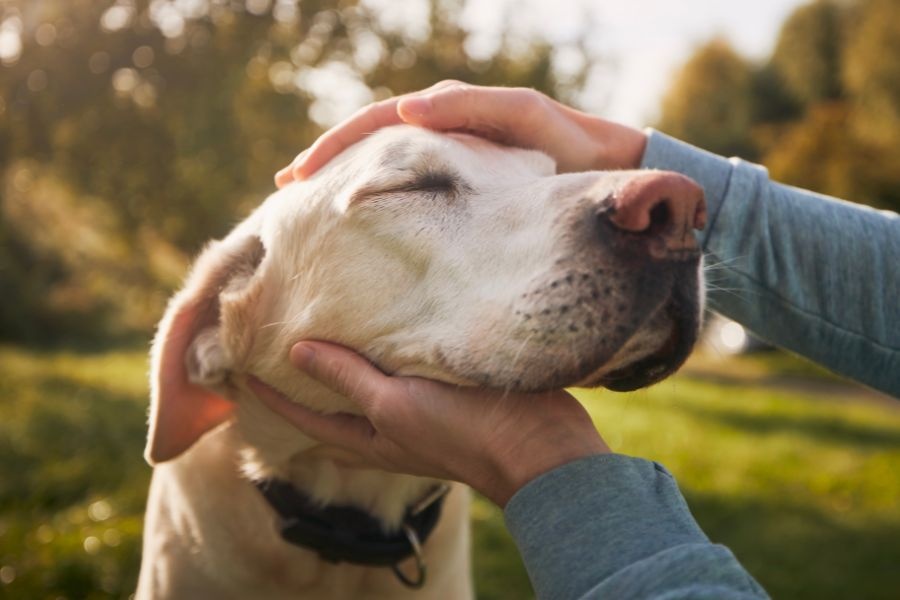
Your senior dog’s weight has stayed the same for months, so you assume everything is fine. Unfortunately, the scale doesn’t tell the whole story. Dogs can slowly lose muscle while gaining fat, and the total number barely changes. Catching this early is a key part of senior dog care, and modern pet diagnostics can help. For pet owners in Warrenville, knowing what to look for can protect your dog’s strength and comfort.
Why a Steady Weight Can Hide Muscle Loss
Body weight is only one piece of your dog’s health picture. It adds up muscle, fat, bone, and water, but it can’t tell you how much of each there is. A dog can lose a pound of muscle and gain a pound of fat, and the scale won’t move at all.
This process is called sarcopenia when it happens with age, and it’s common in older dogs. Muscle becomes harder to build and maintain as dogs get older, especially when they become less active. Fat, on the other hand, is easy to gain, which is why a dog can look softer and rounder while actually becoming weaker. Even a dog who looks healthy and well-fed may be losing strength.
Muscle matters far more than most owners realize. It supports the joints, helps your dog balance, powers everyday movements like standing and climbing stairs, and even supports the immune system. When it fades, your dog may struggle with things that were once easy.
Veterinarians often use a body condition score and a muscle condition score to look at this more closely. These hands-on checks help separate healthy weight from a dog who is losing muscle under a layer of fat.
Signs of Muscle Loss You Can Spot at Home
Because the scale won’t warn you, your eyes and hands become your best tools. Gently run your hands along your dog’s spine, hips, and shoulders. If the bones feel more prominent than they used to, even though your dog’s belly looks the same or larger, muscle may be thinning.
Look at your dog from above and from the side. Muscle loss often shows up first along the back legs, the thighs, and the top of the back. The hind end may look narrow or bony, while the belly appears soft. Subtle changes such as a thinner-looking head or temples can also point to muscle loss.
Changes in behavior can also be clues. Pay attention if your dog:
- Struggles to get up from lying down or hesitates on stairs
- Slips on hardwood or tile floors
- Tires faster on walks or lags behind
- Has trouble jumping into the car or onto the couch
- Seems wobbly or sways in the back legs
Many families chalk these signs up to normal aging. Slowing down is expected, but sudden or steady changes in strength deserve a closer look. A helpful habit is to take a side photo of your dog every month or two. Comparing photos makes subtle changes much easier to notice.
What Causes Muscle Loss in Older Dogs?
Aging itself plays a role, but it’s rarely the only cause. Several issues can speed up muscle loss, and many of them can be treated once they’re found.
Arthritis and joint pain are among the most common culprits. A dog who hurts moves less, and muscles that aren’t used shrink quickly. This creates a cycle in which pain leads to inactivity, inactivity leads to weakness, and weakness makes movement even harder.
Hormonal and organ conditions can also contribute. Cushing’s disease, kidney disease, and heart disease can all break down muscle or reduce appetite. Cancer and chronic inflammation can cause a condition called cachexia, where the body loses muscle even when a dog eats normally. Some dogs need more protein as they age, but their food or appetite isn’t keeping up. Dental pain can make eating uncomfortable too, so a dog may quietly take in less nutrition than you think.
Finally, reduced exercise matters. Shorter walks and less play are easy to accept as part of getting older, but muscle follows a “use it or lose it” rule. Even a dog who eats well can lose strength without regular, appropriate movement.
Because so many causes look alike from the outside, guessing at home is difficult. That’s why a professional exam is so valuable.
How Pet Diagnostics and Senior Dog Care Work Together
If you suspect muscle loss, the next step is a veterinary visit. During a senior exam, your veterinarian will check your dog’s body condition, feel the muscles along the spine and legs, and watch how your dog walks and rises. Your veterinarian may also ask about appetite, energy, and daily routines. These simple observations often reveal more than weight alone.
From there, pet diagnostics help uncover the reason behind the change. Bloodwork and urinalysis can screen for kidney problems, hormone disorders, and other illnesses. X-rays can show arthritis or other joint changes, and blood pressure checks or heart evaluations may be recommended. Results guide a plan built around your dog rather than a guess.
Once the cause is clear, senior dog care often includes several parts: pain management for sore joints, a diet with the right amount of quality protein, and an exercise routine suited to your dog’s ability. Gentle activities like leash walks, hill walking, and controlled strength exercises can help rebuild muscle. Your veterinarian can also recommend rehabilitation or supplements when appropriate.
Follow-up matters too. Rechecking muscle and body condition every few months shows whether the plan is working and lets your team adjust early. Most veterinarians recommend senior exams about every six months.
At home, you can help by making your dog’s space easier to navigate. Non-slip rugs, ramps, and raised bowls reduce strain, and short, frequent walks are often better than one long outing. Avoid sudden changes to diet or exercise without checking with your veterinarian first.
Conclusion: Strength Matters as Much as Weight
A steady weight doesn’t always mean a steady, healthy body. Muscle loss can hide behind a normal number, but it shows itself in the way your dog moves, climbs, and plays. Watching for these signs, taking regular photos, and asking questions early are simple habits that protect your dog’s quality of life. Strong, thoughtful senior dog care starts with noticing the small changes.
Our team at Green Family Veterinary Practice in Warrenville believes older dogs deserve to stay active and comfortable for as long as possible. With a thorough exam and the right pet diagnostics, we can help you understand what’s behind your dog’s changes and build a plan to support their strength. If something about your senior dog seems off, trust your instincts and ask.
At Green Family Veterinary Practice in Warrenville, we are committed to helping senior dogs stay strong, steady, and comfortable. Schedule your dog’s visit today and give your pet the care they deserve.
Frequently Asked Questions
Q1. Is muscle loss in senior dogs reversible?
Ans: In many cases, it can be improved. Once your veterinarian treats the underlying cause, such as pain or illness, and adds proper nutrition and appropriate exercise, many dogs regain some strength. Results depend on your dog’s age and overall health.
Q2. How much protein does a senior dog need?
Ans: Many healthy older dogs benefit from good-quality, easily digestible protein, but needs vary. Dogs with kidney or other health conditions may need a different approach, so ask your veterinarian before changing your dog’s diet.
Q3. What exercises are safe for a senior dog with weak back legs?
Ans: Short leash walks, gentle slopes, and slow sit-to-stand practice are often good starting points. Avoid high-impact activity like long fetch sessions on hard surfaces, and ask your veterinarian or a rehabilitation professional for a plan that suits your dog.
Q4. How often should my senior dog have pet diagnostics in Warrenville?
Ans: Most senior dogs benefit from a wellness exam and screening tests about every six months. Dogs with known conditions or noticeable changes may need more frequent checks, so your veterinarian can tailor the schedule.
Q5. Should I give my senior dog supplements for muscle and joint health?
Ans: Some supplements may support mobility, but products vary widely in quality. Talk with your veterinarian first so you can choose a safe option that fits your dog’s needs and any medications they take.