28341 Diehl Rd. Warrenville, IL 60555

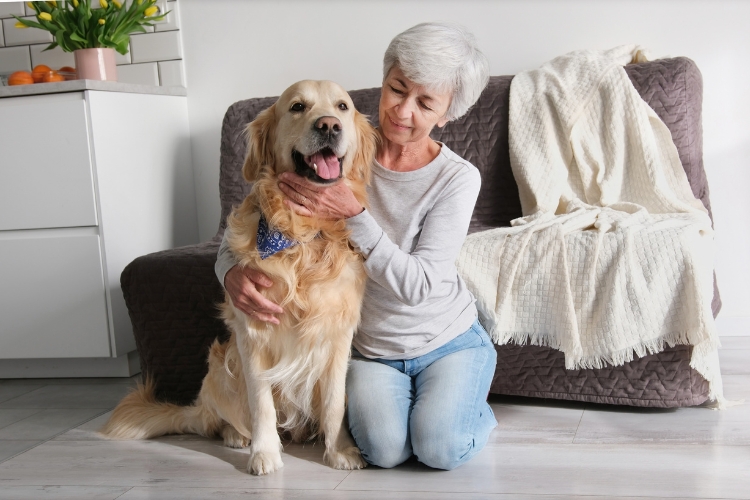
If your dog is entering their golden years, routine wellness visits take on a whole new level of importance. Senior dog care goes far beyond the basics. It requires a thorough, proactive approach that catches age-related changes before they become serious health problems. At Green Family Veterinary Practice, our senior wellness exams are designed to give aging dogs the comprehensive attention they need to stay healthy, comfortable, and happy.
Why Senior Dog Wellness Exams Are Different
Wellness exam for senior dog is not same as routine checkup for younger pet. As dogs age typically from around seven years old, or earlier for larger breeds their bodies become more susceptible to range of conditions including arthritis, organ dysfunction, dental disease, hormonal imbalances, and cancer. Many of these conditions develop gradually and silently, making regular veterinary evaluations essential.
Senior pet care guidelines generally recommend twice-yearly visits for older dogs rather than standard annual checkup. This frequency allows veterinarians to establish health baseline, track subtle changes over time, and intervene early when something shifts. Condition caught at earliest stage is almost always easier and less costly to manage than one discovered after it has progressed.
For pet owners in Warrenville, staying consistent with senior wellness visits is one of the most meaningful investments you can make in your dog’s quality of life during their later years.
The Head-to-Tail Physical Examination
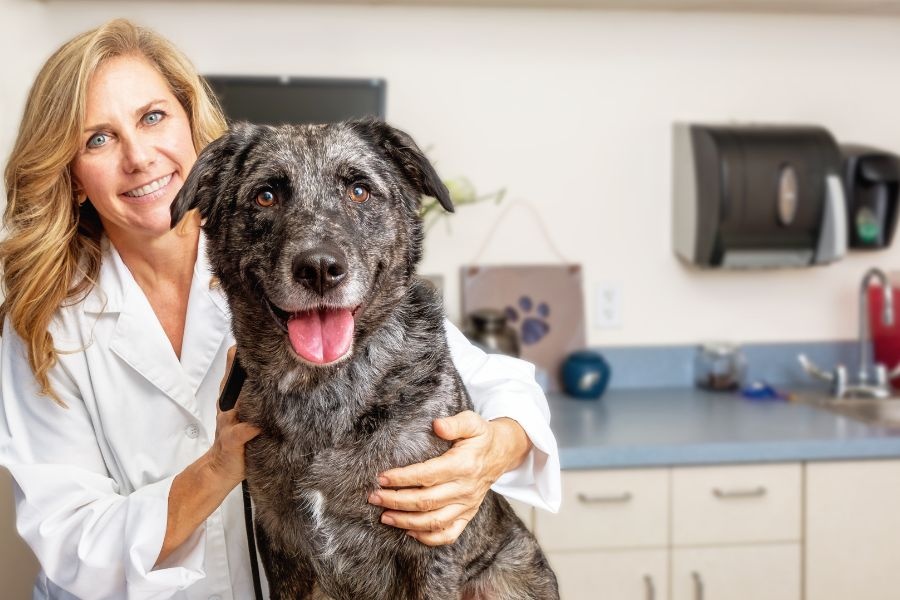
Every senior wellness exam begins with a detailed physical examination. Your veterinarian will systematically assess your dog from nose to tail, looking for signs that might not be obvious to even the most attentive owner at home.
Eyes checked for cloudiness, discharge, signs of pressure changes that could indicate glaucoma. Ears examined for infection, inflammation, signs of chronic irritation. Mouth receives careful attention dental disease affects majority of dogs over three years old, and in seniors, untreated dental problems can contribute to systemic issues affecting heart, kidneys, liver.
Vet will also palpate lymph nodes, abdomen, skin to check for unusual lumps, organ enlargement, masses. Musculoskeletal system assessed for signs of pain, stiffness, muscle loss all common indicators of arthritis or other joint conditions that are central to senior dog care. Even condition of coat and skin can provide important clues about your dog’s hormonal and nutritional health.
Diagnostic Testing: What the Numbers Reveal
Physical exam alone cannot tell full story. That is why diagnostic testing is core component of every senior dog wellness visit. Blood work including complete blood count (CBC) and comprehensive metabolic panel gives veterinarians detailed picture of how your dog’s internal organs are functioning.
These panels can reveal early signs of kidney disease, liver dysfunction, diabetes, thyroid disorders, and anemia, often before any symptoms appear. For senior dogs, catching these conditions early through routine bloodwork can add months or even years of comfortable, well-managed life.
Urinalysis is another valuable tool in senior dog care diagnostics. It helps assess kidney function, detect urinary tract infections, and identify signs of diabetes or other metabolic conditions. Your vet may also recommend X-rays or ultrasound imaging to evaluate bone health, organ size, and structural changes that bloodwork alone cannot detect. Together, these tools give your veterinarian a comprehensive view of your senior dog’s health from the inside out.
Screening for Cancer and Chronic Disease
Cancer is one of the leading causes of death in senior dogs, and early detection makes a significant difference in treatment outcomes. During a senior wellness exam, your veterinarian will carefully assess any lumps or skin changes, evaluate lymph node size, and discuss any behavioral or physical changes you’ve noticed at home that could suggest something worth investigating further.
Chronic diseases like hypothyroidism, Cushing’s disease, and heart disease also become more prevalent as dogs age. Your vet will listen carefully to your dog’s heart and lungs, checking for murmurs, arrhythmias, or abnormal breathing sounds that may indicate cardiovascular changes. Hormonal conditions are often identified through bloodwork and can be managed effectively once diagnosed.
Senior pet care not just about reacting to illness it about staying one step ahead. By systematically screening for these conditions during every wellness visit, veterinarians can build proactive health picture that guides care decisions and keeps your dog comfortable through senior years.
Conclusion: Proactive Senior Dog Care Starts with a Wellness Exam
Your senior dog give you years of loyalty and love thorough wellness exam twice year is one of best ways to give that care back. From physical exam to diagnostic testing and chronic disease screening, every component of senior wellness visit designed to catch problems early, support quality of life, and give you information you need to make confident decisions for your pet.
At Green Family Veterinary Practice in Warrenville, we understand that senior dog care requires both clinical expertise and genuine compassion. Book your senior dog’s wellness exam today and let our team give your best friend the attentive, personalized care they deserve in every stage of life.
Frequently Asked Questions
Q1. How often should senior dogs have wellness exams?
Ans: Most veterinarians recommend wellness visits every six months for senior dogs. Because age-related conditions can develop and progress quickly, more frequent exams allow for earlier detection and more timely adjustments to your dog’s care plan. Your vet at Green Family Veterinary Practice can help you determine the right schedule based on your dog’s age, breed, and health history.
Q2. What age is considered senior for dogs?
Ans: Most dogs are considered senior around seven years of age, though this varies by size and breed. Large and giant breeds tend to age faster and may be considered senior as early as five or six years old. Smaller breeds often remain in their adult stage longer, entering their senior years closer to eight or nine.
Q3. What blood tests are typically run during a senior dog wellness exam?
Ans: A standard senior blood panel typically includes a complete blood count (CBC) and a comprehensive metabolic panel, which evaluates organ function including the kidneys, liver, and pancreas. Thyroid levels are also commonly tested, as hypothyroidism is frequent in senior dogs. Urinalysis is usually included as well to assess kidney function and screen for infections or metabolic issues.
Q4. Can senior dog wellness exams detect cancer early?
Ans: Yes, while no single test can definitively rule out all forms of cancer, routine wellness exams significantly improve the chances of early detection. Physical examination, bloodwork, and imaging can all reveal abnormalities that may warrant further investigation. Early detection gives pet owners more treatment options and often leads to better outcomes.
Q5. What is the difference between senior dog care and standard adult dog care in Warrenville?
Ans: Senior dog care involves more frequent visits, expanded diagnostic testing, and closer monitoring of age-related conditions such as arthritis, organ disease, dental disease, and cancer. Standard adult care focuses primarily on prevention through vaccines, parasite control, and annual wellness checks. As your dog ages, their care plan evolves to meet the unique health challenges that come with growing older.