28341 Diehl Rd. Warrenville, IL 60555

A healthy smile is just as important for cats as it is for humans. Unfortunately, many pet owners overlook dental health when caring for their feline companions. Over time, plaque and bacteria can build up on a cat’s teeth, leading to dental disease, bad breath, and even serious health complications.
In fact, dental problems are among the most common health issues seen in cats. Without proper care, plaque can harden into tartar. As a result, this buildup may cause gum inflammation, infections, and tooth loss. Additionally, bacteria from the mouth can travel through the bloodstream and affect organs such as the heart and kidneys.
Fortunately, preventing these problems is possible with the right habits. Veterinarians often recommend a combination of at-home care and professional checkups to keep your cat’s teeth clean and healthy.
This guide will walk you through veterinarian-approved tips to maintain your cat’s dental health, recognize early warning signs, and create a consistent routine that supports long-term wellness. These tips are especially helpful for pet owners who want to provide the best preventive care for their cats. If you live in Warrenville, IL, understanding proper dental care can help ensure your cat receives the attention it needs to stay healthy.
Why Dental Health Matters for Cats
Dental health plays a crucial role in a cat’s overall well-being. When bacteria accumulate in the mouth, they can cause periodontal disease. This condition affects the gums, teeth, and surrounding tissues.
Moreover, untreated dental disease can lead to pain and difficulty eating. Cats may hide discomfort, which makes it difficult for owners to recognize the problem right away.
Healthy teeth allow cats to chew properly and maintain balanced nutrition. Therefore, maintaining good oral hygiene is essential for a cat’s comfort and long-term health.
By practicing regular cat dental care, pet owners can help prevent painful dental conditions and protect their pets from serious medical complications.
Signs Your Cat May Have Dental Problems
Cats rarely show obvious signs of dental discomfort. However, there are several symptoms that may indicate oral health issues.
Watch for the following warning signs:
- Persistent bad breath
- Red or swollen gums
- Difficulty chewing food
- Drooling more than usual
- Pawing at the mouth
- Yellow or brown tartar buildup
- Loss of appetite
- Loose or missing teeth
If you notice any of these symptoms, it is important to schedule a veterinary examination. Early detection allows for faster treatment and prevents more serious problems from developing.
Brush Your Cat’s Teeth Regularly
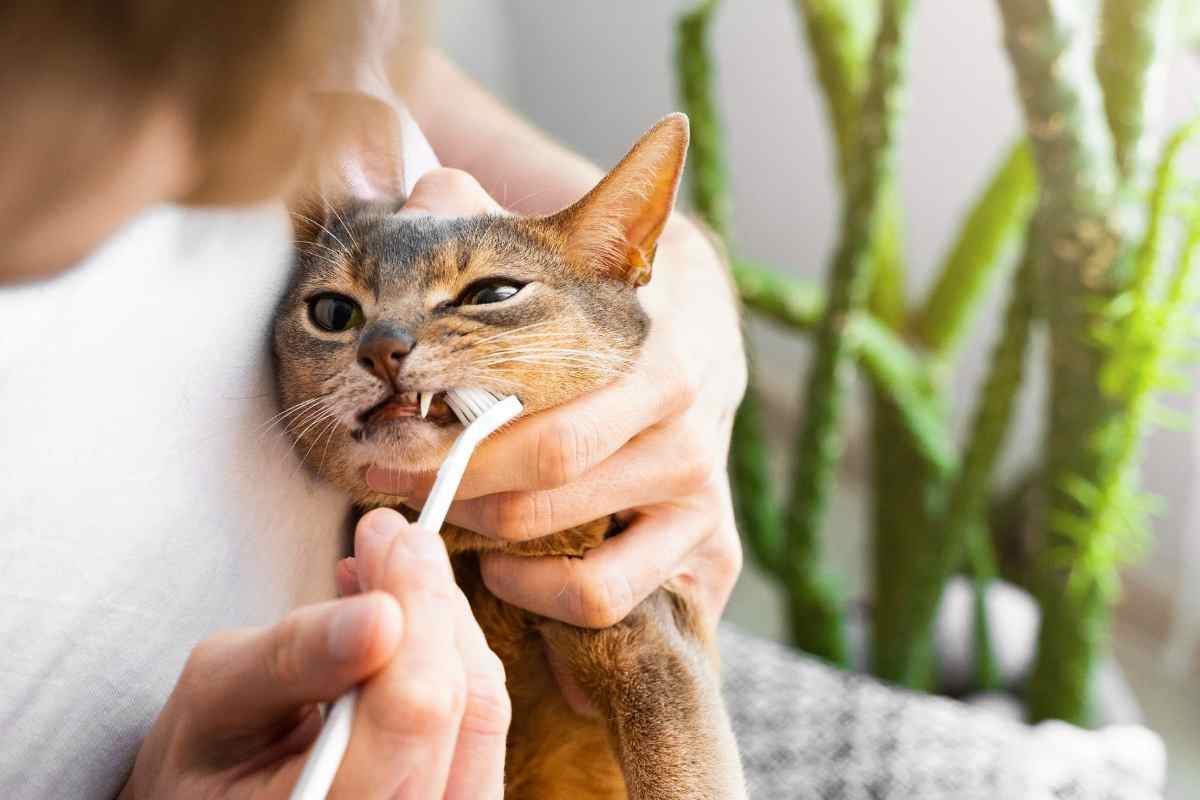
Brushing your cat’s teeth is one of the most effective ways to prevent plaque buildup. While it may take patience, many cats eventually adapt to this routine.
Start slowly by introducing your cat to a pet-safe toothbrush and toothpaste designed specifically for animals. Human toothpaste should never be used because it contains ingredients that can be harmful to pets.
Begin by letting your cat taste the toothpaste. Next, gently rub the toothbrush along the gums and teeth. Over time, you can gradually increase the duration of brushing sessions.
Ideally, brushing should be done several times per week. Consistent brushing removes plaque before it hardens into tartar.
Use Dental Treats and Chews
Dental treats can be a helpful addition to your cat’s oral care routine. These treats are designed to reduce plaque buildup while your cat chews.
As cats bite into these treats, their teeth scrape against the textured surface. This action helps remove food particles and bacteria from the teeth.
However, dental treats should not replace brushing. Instead, they work best as a supplement to a complete dental care routine.
When choosing treats, look for products recommended by veterinarians or approved by veterinary dental organizations.
Choose the Right Diet for Dental Health
Diet plays an important role in maintaining healthy teeth. Some specially formulated dry foods help reduce plaque accumulation by encouraging chewing.
The texture of these foods can help clean the teeth as cats bite into the kibble. Additionally, certain diets contain ingredients that limit tartar formation.
Nevertheless, every cat has unique nutritional needs. Therefore, it is best to consult a veterinarian before switching your cat’s diet.
A balanced diet supports not only dental health but also overall wellness.
Provide Safe Dental Toys
Dental toys encourage natural chewing behaviors in cats. Chewing helps remove debris from teeth and stimulates healthy gums.
Choose toys specifically designed for feline dental health. These toys often feature textured surfaces that gently clean teeth while your cat plays.
Regular playtime also benefits your cat’s mental and physical health. Engaging toys can reduce boredom and support healthy activity levels.
Always supervise your cat when introducing new toys to ensure they are safe and appropriate.
Schedule Routine Veterinary Dental Exams
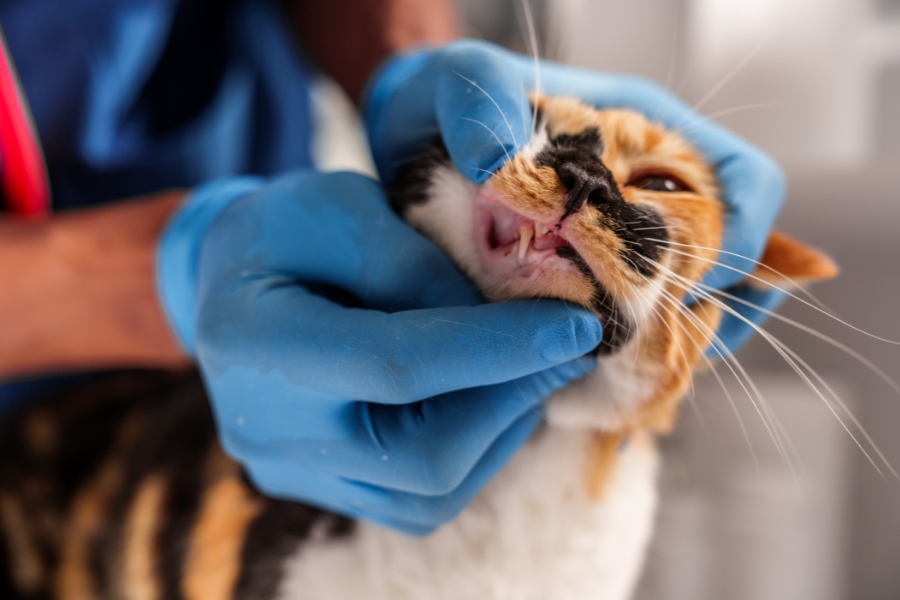
Even with excellent at-home care, professional dental checkups remain essential. Veterinarians can detect issues that are not visible during routine observation.
During a dental exam, the veterinarian evaluates the teeth, gums, and oral tissues. They may also recommend professional cleaning if tartar buildup is present.
Professional dental cleanings remove hardened plaque that brushing cannot eliminate. These procedures typically involve scaling, polishing, and thorough examination under anesthesia.
Regular checkups help prevent minor dental issues from becoming serious health problems.
Start Dental Care Early
The best time to begin dental care is when your cat is young. Kittens who become familiar with brushing and mouth handling often tolerate dental care better as adults.
However, older cats can still learn new routines. With patience and gradual introduction, most cats adapt to dental care practices.
Consistency is key. Establishing a regular routine helps protect your cat’s teeth throughout its life.
Maintaining consistent cat dental care habits reduces the risk of dental disease and improves overall health.
Create a Comfortable Dental Routine
Cats thrive on routine and familiarity. Therefore, it is helpful to perform dental care activities at the same time each day.
Choose a quiet environment where your cat feels relaxed. Use gentle handling and positive reinforcement to encourage cooperation.
Reward your cat with praise, treats, or playtime after each dental session. Over time, your cat will begin to associate dental care with positive experiences.
Patience and consistency make the process easier for both you and your pet.
The Long-Term Benefits of Dental Care
Maintaining good dental hygiene offers numerous benefits for cats. Healthy teeth allow pets to eat comfortably and maintain proper nutrition.
Additionally, preventing dental disease reduces the risk of infections and systemic health problems. Early care can also save pet owners from costly treatments later.
Regular dental care strengthens the bond between pets and owners. By paying attention to oral health, you show commitment to your cat’s long-term well-being.
Healthy teeth contribute to a happier, more active life for your feline companion.
Taking care of your cat’s teeth is an essential part of responsible pet ownership. By following veterinarian-recommended practices, you can significantly reduce the risk of dental disease.
Simple habits such as brushing, providing dental treats, and scheduling routine veterinary exams can make a major difference in your cat’s health. Early prevention protects your pet from pain and helps maintain strong teeth and gums.
If you are in Warrenville, IL and looking for cat dental care, book an appointment with Green Family Veterinary Practice. Our veterinary team is dedicated to providing compassionate dental services and preventive care to keep your cat healthy and comfortable for years to come.
FAQs
Q1. Why is dental care important for cats?
Ans. Dental care helps prevent plaque buildup, gum disease, and tooth loss in cats. Maintaining good oral hygiene also protects your cat from infections that can affect other organs such as the heart and kidneys.
Q2. How often should I brush my cat’s teeth?
Ans. Veterinarians recommend brushing your cat’s teeth several times a week, ideally daily. Regular brushing removes plaque before it turns into tartar and helps keep your cat’s mouth healthy.
Q3. What are the signs of dental problems in cats?
Ans. Common signs include bad breath, swollen gums, difficulty eating, drooling, yellow tartar on teeth, and pawing at the mouth. If you notice these symptoms, consult a veterinarian.
Q4. Can dental treats help keep my cat’s teeth clean?
Ans. Yes, dental treats can help reduce plaque buildup. However, they should be used along with brushing and regular veterinary checkups for the best results.
Q5. When should my cat get a professional dental cleaning?
Ans. Most cats benefit from professional dental exams once a year. Your veterinarian may recommend more frequent cleanings depending on your cat’s dental health.
Q6. What type of toothpaste should I use for my cat?
Ans. Always use toothpaste specifically designed for pets. Human toothpaste contains ingredients that can be harmful to cats.