28341 Diehl Rd. Warrenville, IL 60555

Cats may be independent by nature, but their dental care still relies entirely on us. Although many pet owners focus on nutrition, grooming, and playtime, dental health is often overlooked. Yet, mouth problems are more common in cats than most people realize. Over time, plaque turns into tartar, causing gum disease, tooth decay, pain, and even infections that can spread to vital organs. Prevention not only protects your cat’s comfort but also saves you from costly treatments later.
In places like Warrenville, where families enjoy quiet suburban living and love spending evenings curled up with a purring companion, a healthy mouth means more cuddles, fewer vet visits, and a happier life for your feline friend. With the right habits, you can maintain your cat’s oral health at home and catch issues early.
Why Cat Dental Health Matters
Dental health is more than just fresh breath. When bacteria and plaque build up, they gradually damage the gums and tooth structure. Sadly, most cats hide discomfort well, so owners may not notice symptoms until the issue has progressed.
Moreover, research links periodontal disease with kidney, liver, and heart problems. Therefore, keeping your cat’s mouth clean supports overall well-being, energy levels, and long-term health.
1. Brush Your Cat’s Teeth Regularly
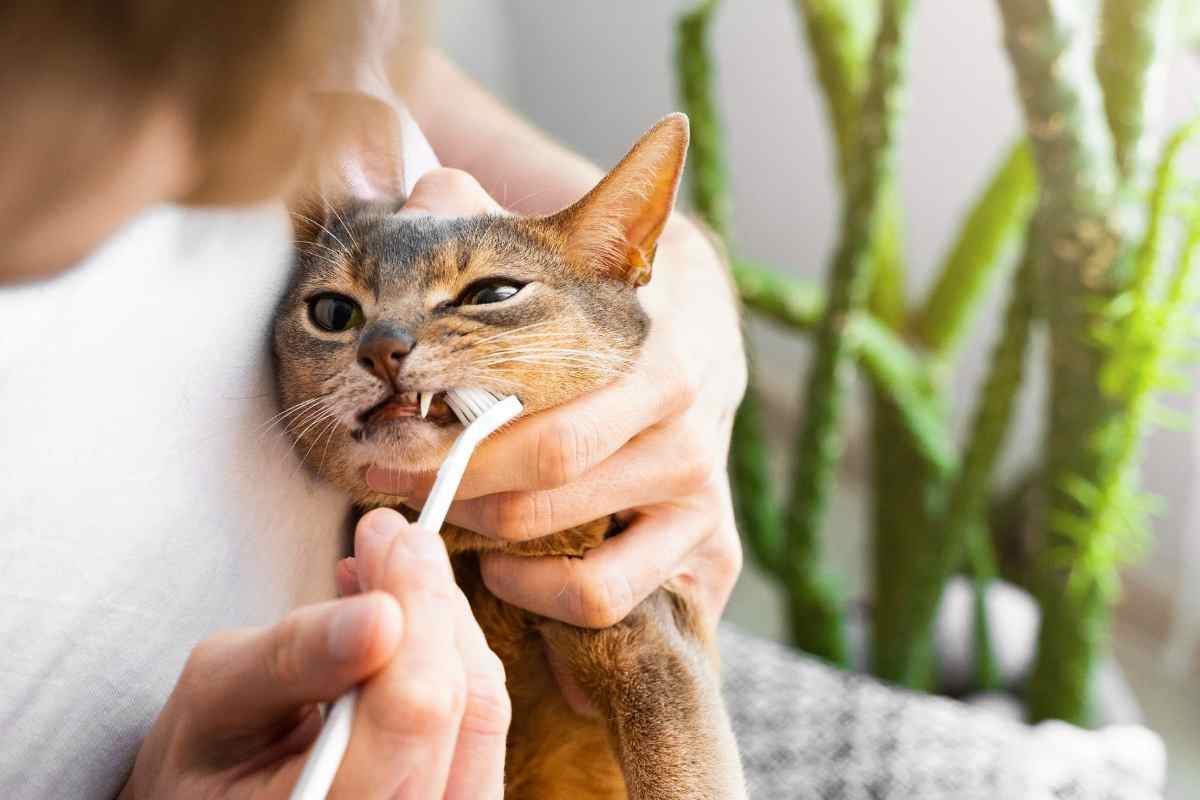
Brushing is the most effective way to prevent plaque. While it may take patience to get your cat used to the routine, gradual introduction helps.
• Start by letting your cat sniff the toothbrush and taste the toothpaste.
• Choose cat-specific toothpaste (never human toothpaste).
• Brush gently in small circular motions, focusing on the gum line.
Even brushing 2–3 times per week can make a noticeable difference. Over time, brushing becomes a bonding ritual, especially if rewards like treats or ear rubs follow.
2. Use Dental Treats and Chews
If brushing feels challenging, dental treats provide an additional layer of protection. Many pet stores around Warrenville carry treats formulated to reduce tartar buildup through controlled chewing abrasion. Look for products approved by the Veterinary Oral Health Council (VOHC).
While treats improve oral hygiene, remember they are not a full substitute for brushing or routine exams. Use them as a helpful supplement.
3. Consider Dental Diets
Veterinary-recommended dental foods are designed to clean teeth while your cat eats. The kibble texture helps scrub plaque, and some formulas contain plaque-fighting additives. However, it’s best to ask a veterinarian before switching food, especially for cats with sensitivities or chronic conditions.
4. Schedule Regular Vet Dental Exams
Just like humans need checkups, cats need professional dental evaluations. During a dental visit, the veterinarian checks for tartar, gum recession, loose teeth, and early signs of disease. X-rays may be recommended to detect issues below the gum line that are not visible to the eye.
In Warrenville, where many households lead busy lives with commutes and activities, it’s easy to postpone vet visits. Yet, annual dental exams are one of the best ways to protect your cat’s smile and avoid future pain or surgery.
5. Watch for Signs of Dental Trouble
Because cats often mask pain, identifying problems early can be tricky. However, certain symptoms signal that something is wrong.
Common signs include:
• Bad breath
• Drooling
• Pawing at the mouth
• Bleeding gums
• Difficulty chewing or dropping food
• Yellow or brown tartar buildup
• Weight loss or reduced appetite
If you notice any of these, schedule a dental check promptly.
6. Provide Toys That Encourage Chewing
Cats naturally chew when engaged, especially with textured toys. Chew-friendly toys help scrape plaque and stimulate gum tissue. Rotate toys to keep your cat entertained. You may include catnip toys, rubber chewers, or rope textures for oral stimulation.
7. Fresh Water Availability
Hydration plays a subtle but important role. Water washes away food particles and supports saliva production, reducing bacterial growth. Consider pet fountains if your cat prefers running water—many Warrenville cat owners find fountains helpful for picky drinkers.
8. Prioritize Professional Dental Cleaning
At-home care prevents buildup, but only professional dental cleaning removes deep tartar. Veterinarians perform scaling, polishing, and sometimes extractions under anesthesia for safety and precision. Cleanings not only treat current problems but also prevent bigger issues later.
Professional cleanings once a year are ideal for most adult cats, though senior cats may require more frequent monitoring.
Caring for your cat’s teeth may seem small, but it brings lifelong benefits. Through brushing, dental treats, routine exams, and awareness of symptoms, you can keep your feline companion comfortable, active, and pain-free. Moreover, early care prevents tooth loss, reduces infection risks, and supports whole-body health.
To schedule a dental exam or learn more about cat dental care in Warrenville, IL, reach out to Green Family Veterinary Practice. Your cat deserves a healthy smile—small steps today make a big difference in their future wellness.
FAQs
Q1. How often should I brush my cat’s teeth?
Ans. Aim for brushing several times per week. Daily brushing offers the best protection, but any routine helps reduce plaque and tartar.
Q2. What toothpaste can I use for cats?
Ans. Only use cat-specific toothpaste. Human toothpaste contains fluoride and chemicals that can be toxic to pets.
Q3. Do dental treats replace brushing?
Ans. No. Treats help reduce buildup but should complement—not replace—brushing and professional cleanings.
Q4. How often should cats get professional dental cleaning?
Ans. Typically, once a year, though older cats or those prone to dental disease may need more frequent care.
Q5. What is the main cause of dental problems in cats?
Ans. Plaque accumulation leads to tartar, gum inflammation, gingivitis, and periodontal disease if untreated.
Q6. Can wet food cause dental issues?
Ans. Wet food sticks to teeth more easily than kibble. If your cat eats mainly wet food, brushing becomes even more important.