28341 Diehl Rd. Warrenville, IL 60555

Healthy teeth and gums play a major role in your pet’s overall well-being. Many pet owners focus on food, exercise, and grooming, but dental care often gets overlooked until problems appear. Poor oral hygiene can lead to discomfort, infections, and even serious health issues that affect other parts of the body. Taking early steps to prevent dental problems helps your pet stay active, comfortable, and happy for years to come.
Caring for your pet’s teeth may seem confusing at first, especially if you have never focused on it before. This guide is especially for pet owners in Warrenville, IL, who want simple, practical ways to protect their pets’ oral health. Learning the basics of pet dental care can make daily care easier and reduce the risk of long-term problems.
Why Dental Health Should Never Be Ignored
Dental issues are among the most common health concerns seen by veterinarians. Plaque and tartar can build up quickly on your pet’s teeth, leading to irritation and infection in the gums. Over time, untreated pet dental disease can cause pain, tooth loss, and even affect organs like the heart and kidneys.
A veterinarian often explains that dental health is closely connected to overall wellness. Bacteria from the mouth can enter the bloodstream and cause complications in other parts of the body. Preventing these problems early is much easier than treating them later.
Focusing on pet dental health helps improve your pet’s quality of life. Clean teeth and healthy gums allow pets to eat comfortably and stay active without pain.
Early Warning Signs You Should Watch For
Recognizing early symptoms can help you take action before dental problems become severe. Pets may not always show obvious signs, so careful observation is important.
- Bad breath that does not go away: Persistent odor can be one of the first signs of dental disease and should not be ignored.
- Red or swollen gums: Inflammation of the gums may indicate irritation or infection and requires attention.
- Difficulty eating or chewing: Pets may avoid food or chew on one side if they experience mouth discomfort.
- Excess drooling or pawing at the mouth: These behaviors can signal pain or irritation in the oral area.
Identifying these signs of dental disease early allows a vet to address the issue before it worsens.
Building a Simple Daily Dental Routine
Daily habits play a major role in preventing dental problems. A consistent routine helps prevent plaque buildup and reduces the risk of gum disease.
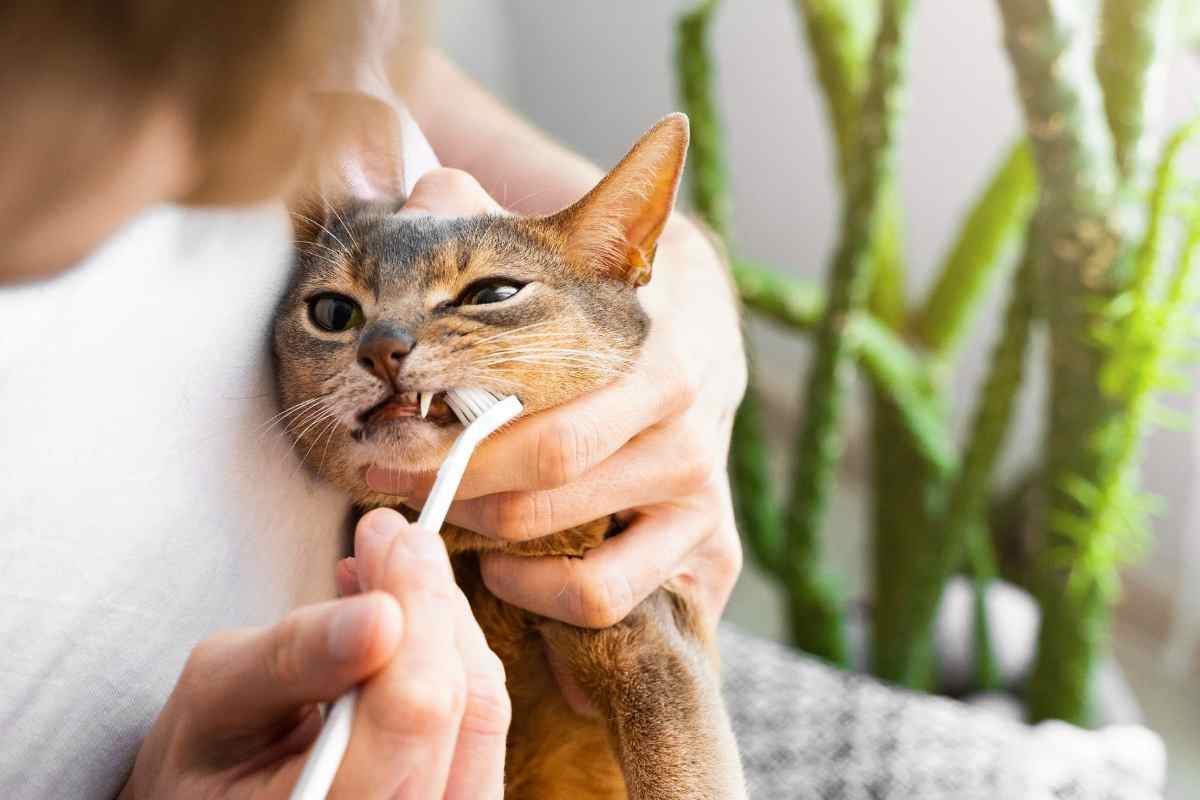
Brushing your pet’s teeth is one of the most effective methods of care. Using pet-safe toothpaste and a soft brush makes the process easier and more comfortable. Starting slowly and rewarding your pet helps build a positive routine.
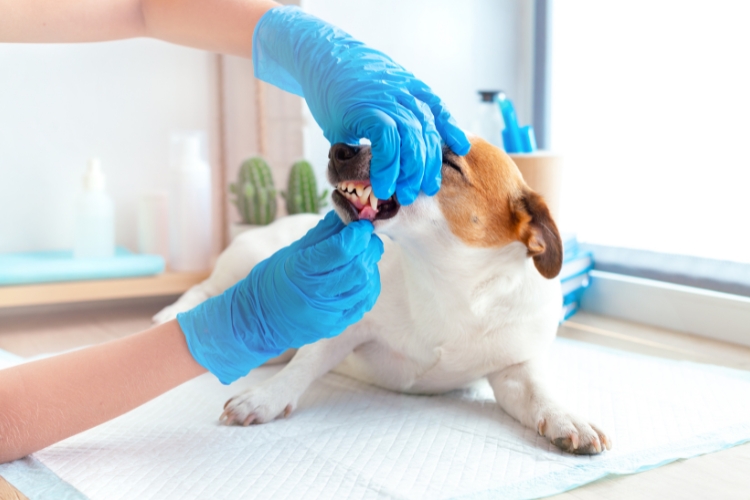
In addition to brushing, regularly inspecting your pet’s mouth helps you notice changes early. A veterinarian may also suggest additional tools, such as dental wipes or rinses, to improve your pet’s oral health.
Choosing the Right Food and Treats
Diet has a strong impact on dental health. Certain foods and treats can help reduce plaque buildup, while others may contribute to it.
Dry kibble often helps clean teeth by reducing buildup during chewing. Special dental treats are also designed to promote cleaner teeth and healthier gums. A veterinarian can guide you in choosing the best options for your pet.
Avoid giving foods that stick to teeth or contain high sugar levels. Maintaining a balanced diet helps protect your pet’s teeth while supporting overall health.
The Importance of Regular Dental Checkups
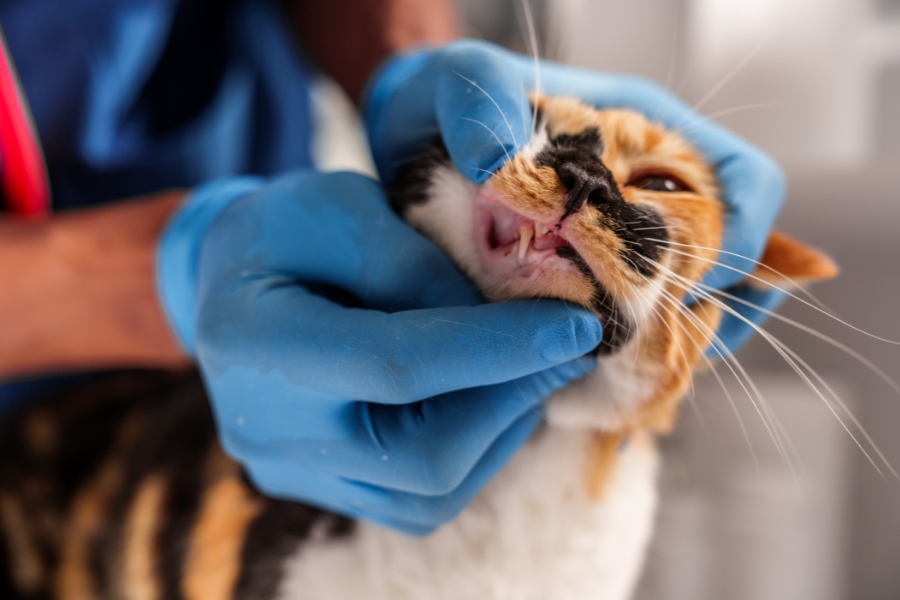
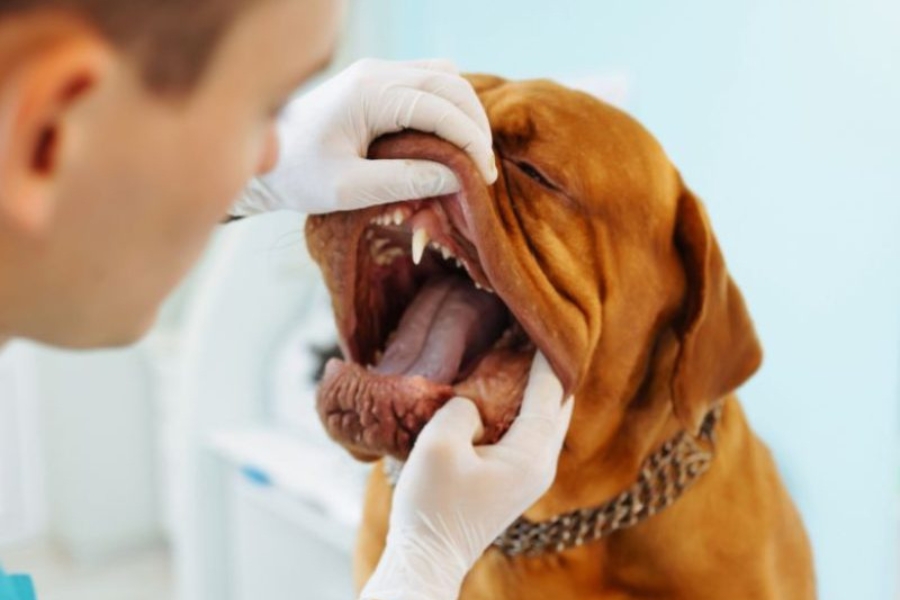
Routine dental exams are essential for preventing serious issues. A veterinarian can identify problems that may not be visible to pet owners during daily care.
During a checkup, the veterinary team examines teeth, gums, and overall oral condition. These visits help catch early signs of infection or damage before they become severe.
Regular checkups also create an opportunity to discuss your pet’s dental routine. Adjustments can be made based on your pet’s age, breed, and health condition.
When Deeper Cleaning Becomes Necessary
Even with good home care, some pets may need additional treatment. Professional pet dental cleaning helps remove tartar buildup that cannot be addressed through brushing alone.
A veterinary team performs cleaning in a controlled setting to ensure safety and comfort. Removing plaque and tartar helps prevent infections and keeps gums healthy.
Regular cleanings can extend the life of your pet’s teeth and reduce the risk of serious dental problems. A veterinarian will recommend the right schedule based on your pet’s needs.
Common Mistakes That Can Harm Dental Health
Many pet owners unknowingly make choices that affect their pet’s dental health. Avoiding these mistakes can help maintain a healthy mouth.
- Skipping Regular Brushing
Inconsistent care allows plaque to build up quickly and increases the risk of disease. - Using Human Toothpaste
Human products can be harmful to pets and should always be avoided. - Ignoring Bad Breath
Persistent odor is often a sign of an underlying problem that needs attention. - Delaying Veterinary Visits
Waiting too long can allow minor issues to turn into serious conditions.
Being aware of these mistakes helps improve your pet dental care routine and prevents unnecessary complications.
How Age Affects Dental Health
Pets of all ages can develop dental problems, but older pets are more likely to face serious issues. Years of plaque buildup can lead to gum disease and tooth loss if not managed properly.
A veterinarian often recommends more frequent checkups for older pets. Monitoring changes in eating habits or behavior becomes even more important as pets age.
Maintaining good dental care throughout your pet’s life reduces the risk of severe problems later. Early habits make a lasting difference in long-term health.
Creating a Comfortable Environment for Dental Care
Helping your pet feel relaxed during dental care makes the process easier for both of you. A calm and positive approach encourages cooperation and reduces stress.
Start by introducing dental tools gradually. Allow your pet to become familiar with the brush and toothpaste before using them, and reward your pet after each session to build trust and encourage good behavior.
A vet may also provide tips on handling pets that resist dental care. Patience and consistency are key to building a successful routine.
Long-Term Benefits of Preventive Dental Care
Preventive care offers many benefits beyond a healthy smile. Pets with good oral health often have better appetites, improved energy levels, and fewer health complications.
Regular dental care reduces the risk of infections that can spread to other parts of the body. A veterinarian often emphasizes that prevention is easier and more effective than treatment.
Investing time in dental care helps your pet live a more comfortable and active life. Small daily efforts can lead to significant improvements over time.
Give Your Pet a Healthier Smile for Life
Preventing dental problems requires attention, consistency, and the right guidance. Green Family Veterinary Practice offers dental services designed to keep your pet’s teeth and gums healthy while improving overall well-being. Taking steps early can help your pet avoid discomfort and enjoy a better quality of life.
If you are in Warrenville and looking for pet dental care, book an appointment with Green Family Veterinary Practice. Their team can guide you through daily care routines, provide cleanings, and monitor your pet’s oral health over time. Booking an appointment is a simple way to protect your pet’s smile and long-term health.
Frequently Asked Questions
1. How often should I brush my pet’s teeth?
Brushing your pet’s teeth daily is ideal for preventing plaque buildup. Even a few times a week can make a noticeable difference.
2. Can dental disease affect my pet’s overall health?
Yes, dental disease can lead to infections that affect other organs. Maintaining oral health is important for overall wellness.
3. Are dental treats enough for cleaning teeth?
Dental treats can help reduce plaque, but should not replace brushing. A complete routine includes multiple methods of care.
4. When should my pet have a dental cleaning?
A veterinarian can recommend cleaning based on your pet’s dental condition. Regular checkups help determine the right timing.
5. What should I do if my pet resists brushing?
Start slowly and use positive reinforcement to build comfort. A vet can also provide helpful techniques.