28341 Diehl Rd. Warrenville, IL 60555

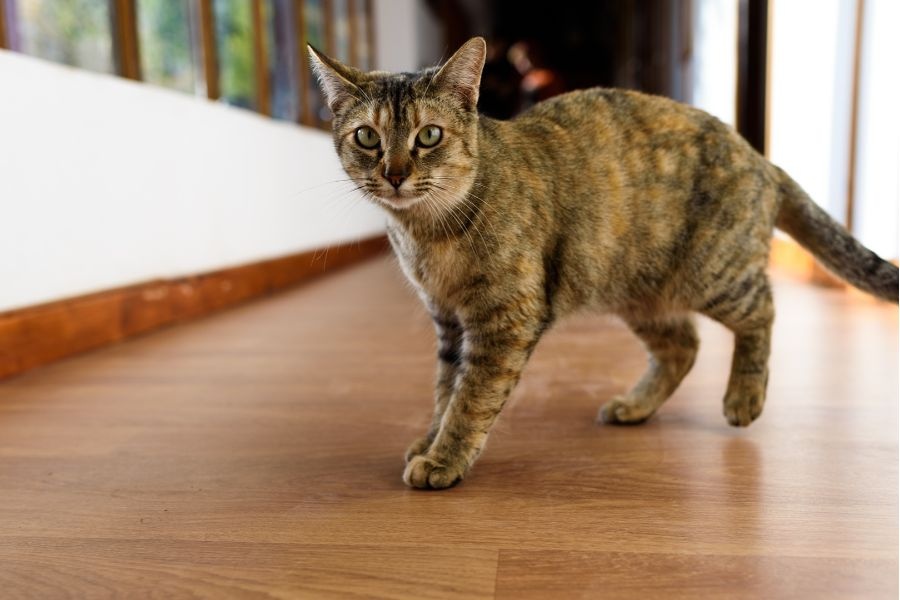
Many cat owners assume that indoor cats are naturally protected from health risks simply because they spend most or all of their time inside the home. While indoor living can reduce exposure to certain dangers, it does not eliminate the need for ongoing healthcare. In fact, cat preventive care plays a critical role in helping indoor cats maintain their health, comfort, and quality of life throughout every stage of life.
Cats are experts at hiding signs of discomfort, which means health issues can develop gradually without obvious symptoms. Regular preventive care helps identify potential concerns early, supports long-term wellness, and allows pet owners to make informed decisions about their cat’s healthcare needs.
Why Indoor Cats Still Need Preventive Care
A common misconception is that indoor cats are less likely to experience health problems. While they may face fewer environmental risks, indoor cats can still develop a variety of conditions that affect their overall well-being.
These may include:
- Dental disease
- Obesity
- Arthritis and mobility issues
- Digestive concerns
- Kidney-related conditions
- Behavioral changes associated with aging
Routine veterinary evaluations help monitor these potential issues and provide guidance tailored to each cat’s individual needs.
The Importance of Regular Wellness Examinations
Wellness examinations are one of the foundations of preventive healthcare. During these visits, veterinary professionals assess your cat’s overall condition and monitor changes that may not be noticeable at home.
A wellness visit may include:
- Weight assessment
- Physical examination
- Dental evaluation
- Nutritional review
- Behavioral discussion
- Mobility assessment
These appointments provide valuable opportunities to establish health baselines and track changes over time.
How Cat Preventive Care Supports Early Detection
One of the greatest benefits of cat preventive care is the ability to detect health concerns before they significantly impact your pet’s quality of life.
Many conditions develop gradually and may not show obvious symptoms in their early stages. Regular monitoring allows veterinary professionals to identify subtle changes such as:
- Weight fluctuations
- Reduced mobility
- Changes in coat quality
- Altered eating habits
- Behavioral differences
Early recognition often leads to more effective management and better long-term outcomes.
Maintaining a Healthy Weight for Long-Term Wellness
Weight management is an important aspect of feline health. Indoor cats are often less active than outdoor cats, which can increase the risk of excess weight gain.
Maintaining a healthy weight can help support:
- Joint health
- Mobility
- Energy levels
- Digestive function
- Overall comfort
Veterinary teams can provide nutritional guidance and lifestyle recommendations that align with your cat’s age, activity level, and individual needs.
Dental Health Matters More Than Many Owners Realize
Dental health is often overlooked, yet it plays a major role in your cat’s overall wellness.
Poor oral health may contribute to:
- Difficulty eating
- Oral discomfort
- Bad breath
- Reduced quality of life
Routine dental evaluations allow veterinarians to identify concerns early and recommend appropriate care strategies that support long-term oral health.
Monitoring Changes as Cats Age
As cats grow older, their healthcare needs naturally evolve. Senior cats often benefit from more frequent wellness assessments and closer monitoring of age-related changes.
Areas commonly evaluated include:
Mobility and Joint Function
Changes in movement can occur gradually and may not always be obvious to pet owners.
Appetite and Weight
Unexpected shifts in appetite or body condition can provide important clues about overall health.
Behavior and Activity Levels
Reduced activity, increased sleeping, or changes in social behavior may indicate underlying concerns that warrant attention.
Creating a Personalized Preventive Care Plan
Every cat is unique. Age, breed, lifestyle, and medical history all influence healthcare needs.
A personalized preventive care plan may focus on:
- Routine wellness evaluations
- Nutritional recommendations
- Weight management
- Dental care
- Behavioral monitoring
- Senior pet support
Working with experienced veterinary professionals ensures that care recommendations are tailored to your cat’s specific circumstances.
The Value of Building a Relationship With Your Veterinary Team
Preventive healthcare is most effective when it is consistent. Establishing a long-term relationship with a veterinary provider allows them to become familiar with your cat’s history and health patterns.
This ongoing relationship helps veterinarians:
- Track long-term trends
- Recognize subtle changes
- Provide individualized recommendations
- Support informed healthcare decisions
The result is more personalized care and a stronger foundation for lifelong wellness.
Small Steps Today Can Make a Big Difference Tomorrow
Preventive care is not just about addressing current health concerns—it is about protecting your cat’s future. Regular wellness visits, healthy lifestyle habits, and ongoing veterinary guidance can help support a longer, healthier life.
If you are from Warrenville and looking for guidance regarding cat preventive care, partnering with a trusted veterinary team can help ensure your indoor cat receives the attention and support needed to thrive throughout every stage of life.
Schedule an Online Appointment Today
Your cat’s long-term health starts with proactive care. Schedule an online appointment with Green Family Veterinary Practice today and discover how personalized preventive care, wellness monitoring, and compassionate veterinary support can help your feline companion enjoy a healthier and more comfortable life.
Frequently Asked Questions
Q1. Do indoor cats really need regular veterinary checkups?
Yes. Indoor cats can still develop dental issues, weight-related concerns, mobility problems, and age-related conditions. Regular wellness visits help identify changes early and support long-term health through ongoing monitoring and professional guidance.
Q2. How often should an indoor cat receive preventive care?
The ideal schedule depends on your cat’s age, health history, and lifestyle. Regular wellness examinations allow veterinarians to evaluate your cat’s condition and recommend an appropriate preventive care plan based on their individual needs.
Q3. Why is weight management important for indoor cats?
Indoor cats are often less active, which can increase the risk of weight gain. Maintaining a healthy weight supports mobility, joint function, comfort, and overall wellness while helping reduce strain on the body.
Q4. What are some signs that my indoor cat may need a veterinary evaluation?
Changes in appetite, behavior, activity levels, grooming habits, weight, or mobility can indicate that your cat should be evaluated. Even subtle changes may provide important clues about underlying health concerns.
Q5. Can preventive care help senior cats maintain their quality of life?
Absolutely. Preventive care allows veterinarians to monitor age-related changes, provide personalized recommendations, and support overall comfort and wellness as cats enter their senior years.