28341 Diehl Rd. Warrenville, IL 60555

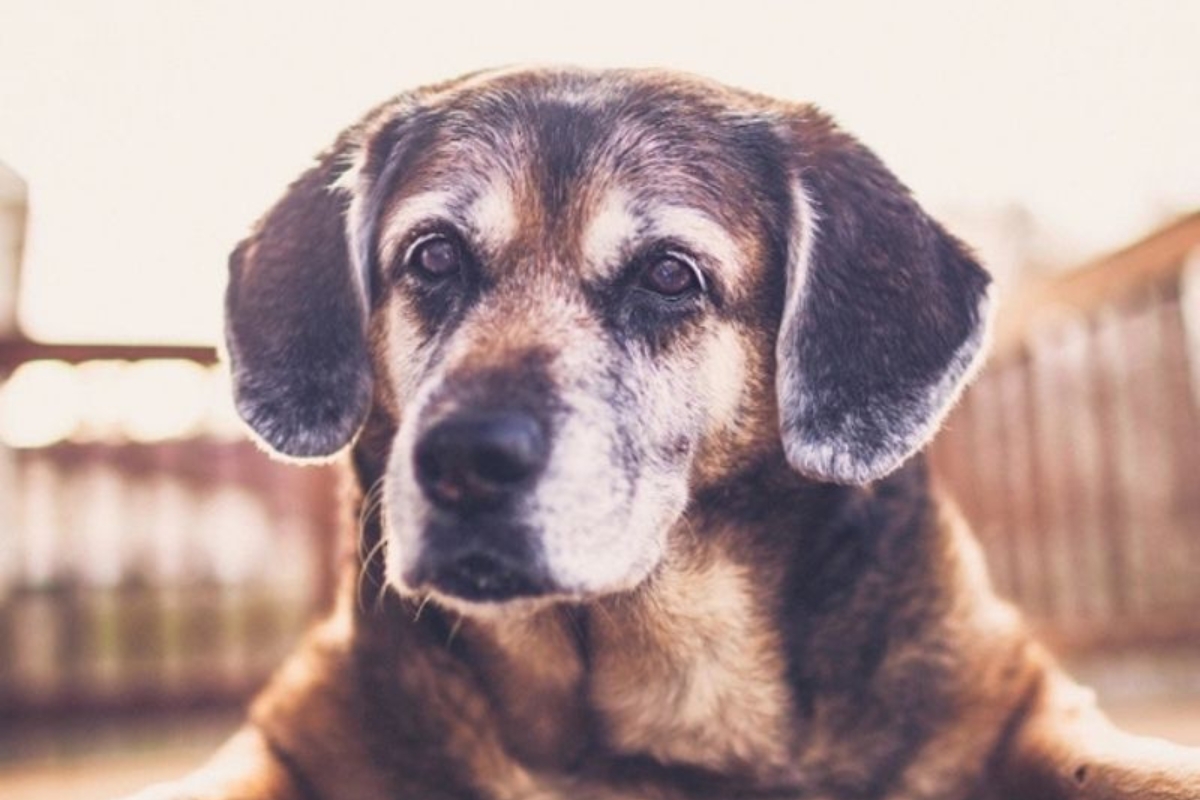
As dogs grow older, they require special care to maintain their health, comfort, and happiness. Just like humans, senior dogs experience physical and behavioral changes that need attention. Providing consistent love, proper nutrition, regular veterinary care, and gentle exercise ensures they continue to live fulfilling lives.
In this article, you will learn practical ways to support your senior dog’s overall well-being.
Understand When Your Dog Becomes a Senior
Not all dogs age at the same pace. Generally, small breeds are considered seniors around 10–12 years old, while larger breeds may reach senior status as early as 6–7 years. Recognizing these milestones helps you prepare for age-related changes. For example, reduced energy levels, joint stiffness, or slower responses are common signs of aging. By acknowledging these early, you can adjust their lifestyle to keep them comfortable.
Prioritize Regular Veterinary Checkups
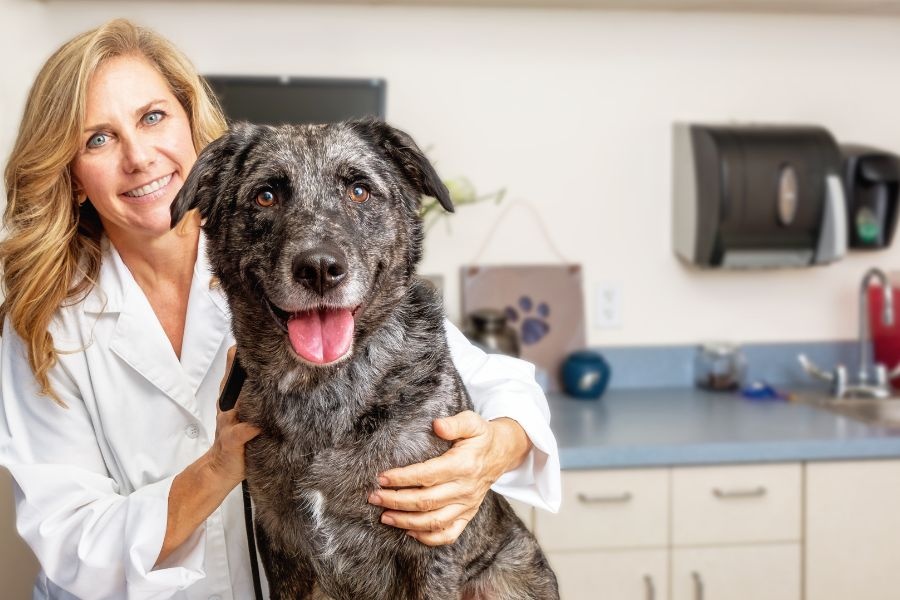
One of the most important steps in senior dog care is scheduling frequent veterinary visits. Unlike younger dogs that may only need annual checkups, older dogs benefit from visits every six months. During these visits, the veterinarian can detect early signs of arthritis, heart disease, diabetes, or kidney issues.
Moreover, senior wellness exams often include blood work, dental checks, and weight assessments. These preventive measures allow you to address problems before they become severe, ensuring your dog enjoys a better quality of life.
Provide a Balanced Diet for Senior Dogs
As dogs get older, their nutritional needs change. They may not burn as many calories because of lower activity levels, yet their bodies still require high-quality nutrients to stay strong and healthy. Choosing a diet designed specifically for senior dogs can make a big difference in their overall well-being.
Look for food that includes:
- Lean, high-quality protein to support muscle maintenance
- Omega-3 fatty acids to promote joint flexibility and cognitive health
- Adequate fiber to aid digestion and regulate bowel movements
- Lower fat content to help manage weight and reduce strain on the body
Along with a proper diet, always provide clean, fresh water. Hydration is especially important since kidney function can decline with age. For the best results, ask your veterinarian about customized dietary recommendations that match your dog’s specific health needs.
Keep Your Senior Dog Active
Even though older dogs may not run as quickly as they once did, exercise remains vital. Regular activity prevents obesity, maintains joint mobility, and supports mental health. However, you should adapt the intensity of exercise to suit your dog’s abilities.
For instance, short walks, gentle play sessions, or swimming can keep them engaged without overexertion. Always observe your dog’s energy level and stop if you notice signs of discomfort. Remember, consistency is more important than intensity when it comes to senior dog exercise.
Support Joint and Mobility Health
Arthritis and joint stiffness are common issues in aging dogs. Fortunately, you can ease discomfort with supportive measures. Orthopedic dog beds provide extra cushioning, while ramps help them climb onto sofas or into cars. Supplements containing glucosamine and chondroitin also promote joint health.
Additionally, gentle massage or physical therapy can improve flexibility and circulation. With these steps, you make daily activities less challenging for your senior dog.
Prioritize Dental Care
Dental health often gets overlooked, but it directly impacts your dog’s overall well-being. Gum disease, tartar buildup, or tooth decay can lead to pain and even systemic infections. Therefore, brush your dog’s teeth regularly using a dog-safe toothbrush and toothpaste.
If brushing is difficult, consider dental chews, water additives, or professional cleaning at the vet. A healthy mouth ensures your senior dog can continue to enjoy meals comfortably.
Keep Their Mind Engaged
Mental stimulation is just as important as physical activity. Senior dogs may slow down, but they still enjoy challenges and interaction. Interactive toys, food puzzles, or simple training sessions encourage mental sharpness.
Furthermore, spending quality time with your dog—whether through gentle play or cuddling—strengthens your bond and reduces stress for both of you.
Create a Comfortable Living Environment
As your dog ages, small adjustments at home can make a big difference. Keep food and water bowls easily accessible, reduce slippery surfaces with rugs, and ensure their resting area is quiet and warm. These thoughtful changes make your senior dog feel safe and comfortable.
Caring for a senior dog requires patience, love, and dedication. By focusing on regular veterinary checkups, proper nutrition, gentle exercise, dental health, and a supportive environment, you can help your aging companion enjoy their golden years to the fullest. Remember, small changes in routine can make a big impact on their quality of life.
If you are searching for expert guidance on senior dog care in Warrenville, IL, reach out to a trusted local veterinarian to create a personalized care plan for your beloved pet.
Frequently Asked Questions (FAQs)
Q1. At what age is a dog considered a senior?
Ans. Smaller breeds are usually seniors at 10–12 years, while larger breeds may be considered seniors around 6–7 years old.
Q2. How often should senior dogs visit the veterinarian?
Ans. Senior dogs should visit the veterinarian at least every six months for preventive care and early detection of health issues.
Q3. What food is best for older dogs?
Ans. Senior dog food with lean protein, omega-3 fatty acids, fiber, and fewer calories is typically best. Consult your vet for recommendations.
Q4. Can senior dogs still exercise?
Ans. Yes, but their exercise should be adapted to their abilities. Short walks, gentle play, and swimming are excellent options.
Q5. How can I make my home comfortable for my senior dog?
Ans. Provide orthopedic bedding, use non-slip rugs, and keep food and water easily accessible.
Q6. Why is dental care important for senior dogs?
Ans. Poor dental health can lead to pain, difficulty eating, and even infections that affect overall health. Regular brushing and vet care are essential.