28341 Diehl Rd. Warrenville, IL 60555


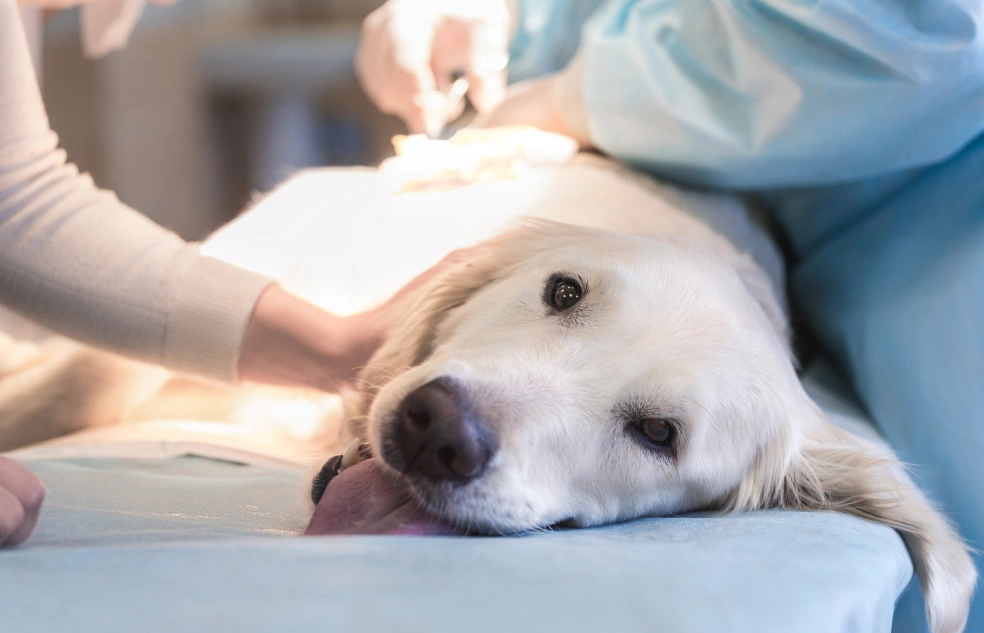
Spaying and neutering surgery is one of the most common and beneficial veterinary procedures for cats. Not only does it prevent unwanted litters, but it also offers long-term health and behavioral benefits. However, the days following surgery are just as important as the procedure itself. Your cat’s recovery depends on how well you manage their aftercare at home.
This guide will outline essential strategies for caring for your cat after spaying and neutering surgery.
Understand the Recovery Timeline
Recovery varies depending on the procedure and your cat’s age. Generally, most cats recover fully within 10 to 14 days. Male cats usually heal faster after neutering because the surgery is less invasive. Female cats, after spaying, may require closer monitoring due to the abdominal incision.
During the first 24 to 48 hours, your cat may be groggy, disoriented, or sleepy from anesthesia. Understanding this timeline helps you plan rest, monitor healing, and know when to seek veterinary attention.
Limit Physical Activity
One of the most important aspects of post-surgery care is limiting your cat’s activity. Jumping, running, or climbing can strain the incision site and increase the risk of stitches tearing. Confine your cat to a quiet room or a large crate, and block access to stairs, beds, or high furniture.
Even if your cat appears energetic, preventing overexertion is crucial for healing. Gradually reintroduce play and normal activity once your veterinarian confirms the incision has healed.
Monitor the Incision Site
Daily inspection of the incision site is essential. A healthy incision should be clean, dry, and slightly pink around the edges. Some swelling or bruising is normal, but redness, discharge, bleeding, or foul odor may indicate infection.
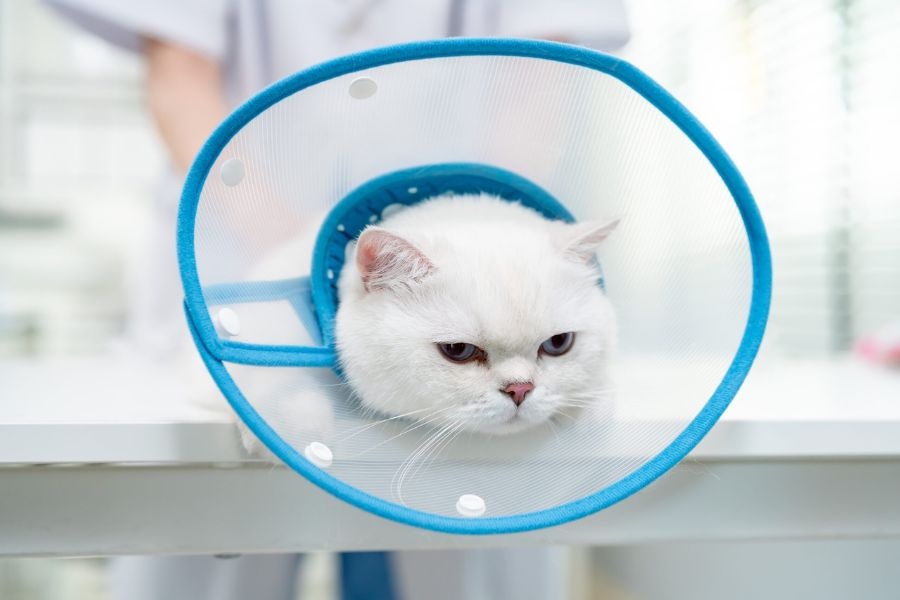
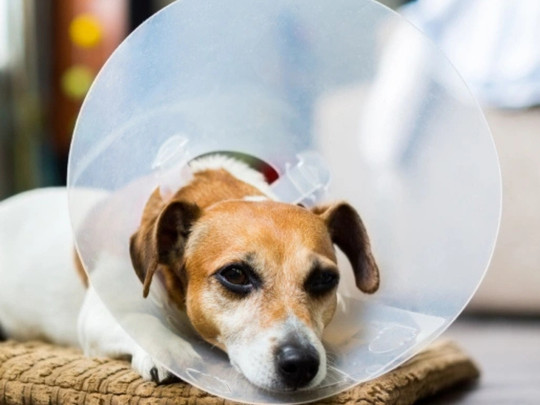
To prevent your cat from licking or scratching, use an Elizabethan collar (cone) or a soft recovery suit. Avoid allowing your cat to interfere with the wound, as this can slow healing or lead to complications.
Manage Pain and Medication
Your veterinarian may prescribe pain medications or antibiotics to reduce discomfort and prevent infection. Administer all medications exactly as directed. Never give your cat human medications, as many are toxic to felines.
Monitor your cat for signs of pain, such as restlessness, hiding, excessive meowing, or refusal to move. If these behaviors persist, contact your veterinarian to adjust pain management. Proper pain control supports quicker and safer recovery.
Adjust Feeding and Hydration
It is normal for cats to have a reduced appetite immediately after surgery. Offer small, easily digestible meals once your cat is alert and able to eat. Gradually return to their regular feeding schedule as their appetite improves.
Provide a high-protein diet to support tissue repair and healing. Ensure fresh water is available at all times, as proper hydration is essential for recovery. If your cat refuses food or water for more than 24 hours, contact your veterinarian promptly.
Create a Calm Recovery Environment
Cats heal best in a quiet and stress-free environment. Set up a cozy area with a soft bed, dim lighting, and easy access to food, water, and a litter box. Limit loud noises, visitors, and interactions with other pets during recovery.
By providing a peaceful space, your cat can rest, conserve energy, and focus on healing.
Maintain Litter Box Hygiene
A clean litter box is critical for preventing infection. Scoop the box frequently, and consider using dust-free litter or shredded paper to reduce irritation near the incision.
Observe your cat’s bathroom habits closely. Straining, constipation, or difficulty urinating may indicate complications that require immediate veterinary care.
Know When to Call the Veterinarian
While most cats recover without issues, it’s essential to recognize signs of complications. Contact your veterinarian immediately if you notice:
- Swelling, redness, or discharge at the incision site
- Persistent bleeding
- Loss of appetite for more than 24 hours
- Excessive lethargy or hiding
- Difficulty urinating or defecating
- Continuous licking or biting of the stitches
Early intervention can prevent minor issues from becoming serious problems.
Caring for your cat after spaying and neutering surgery requires patience, attention, and consistent care. By restricting activity, monitoring the incision, managing pain, adjusting feeding, and providing a calm recovery space, you can help your cat heal quickly and safely.
For pet owners seeking professional guidance on cat surgery in Warrenville, IL, consulting a trusted local veterinarian ensures your feline companion receives the highest standard of post-surgical care.
Frequently Asked Questions (FAQs)
Q1. How long does it take for a cat to recover from spay/neuter surgery?
Ans. Most cats recover in 10–14 days, though females may take longer due to a more invasive procedure.
Q2. Can my cat jump or climb after surgery?
Ans. No. Restrict jumping and climbing for at least 10 days to avoid stressing the incision.
Q3. What should I feed my cat after surgery?
Ans. Offer small portions of their regular food and gradually return to normal feeding.
Q4. How can I stop my cat from licking the incision?
Ans. Use an Elizabethan collar (cone) or a recovery suit to prevent licking or scratching.
Q5. Is it normal for my cat to sleep a lot after surgery?
Ans. Yes. Anesthesia and healing make cats more tired than usual for the first 24–48 hours.
Q6. When should I contact the veterinarian after surgery?
Ans. Call immediately if you see swelling, discharge, bleeding, loss of appetite beyond 24 hours, or unusual behavior.