28341 Diehl Rd. Warrenville, IL 60555

When your dog undergoes surgery, it’s natural to feel anxious about their recovery. Whether it’s a routine procedure or something more serious, proper post-operative care is crucial for a smooth and swift healing process. Dogs can’t always communicate their pain or discomfort, so it’s up to you to monitor them closely and provide the support they need. In this guide, we’ll walk you through practical, effective ways to help your dog recover comfortably and safely after surgery.
1. Follow the Vet’s Instructions Carefully
First and foremost, always follow the post-operative care instructions provided by your veterinarian. These instructions are tailored specifically to your dog’s procedure and individual needs. They may include details about medication, feeding schedules, wound care, and activity restrictions. Even if your dog seems fine, skipping any step can hinder recovery or lead to complications.
2. Limit Physical Activity
Rest is essential for healing. After surgery, your dog should avoid running, jumping, or playing until your vet gives the all-clear. To do this effectively:
- Confine your dog to a small, quiet space
- Use baby gates to block access to stairs
- Keep them leashed during bathroom breaks
Too much movement can tear stitches or cause swelling, especially within the first 7–14 days post-surgery.
3. Keep the Incision Site Clean and Dry
Proper wound care can prevent infections. Check the incision site daily for signs of redness, swelling, discharge, or odor. Follow your vet’s cleaning instructions, and never use hydrogen peroxide or alcohol unless specifically told to do so. These can delay healing.
Also, ensure the incision stays dry. Avoid bathing your dog or letting them swim until the wound is fully healed and your vet gives approval.
4. Prevent Your Dog from Licking or Chewing the Stitches
Dogs instinctively lick wounds, but this can lead to infection or cause the stitches to come undone. To prevent this, your vet may recommend:
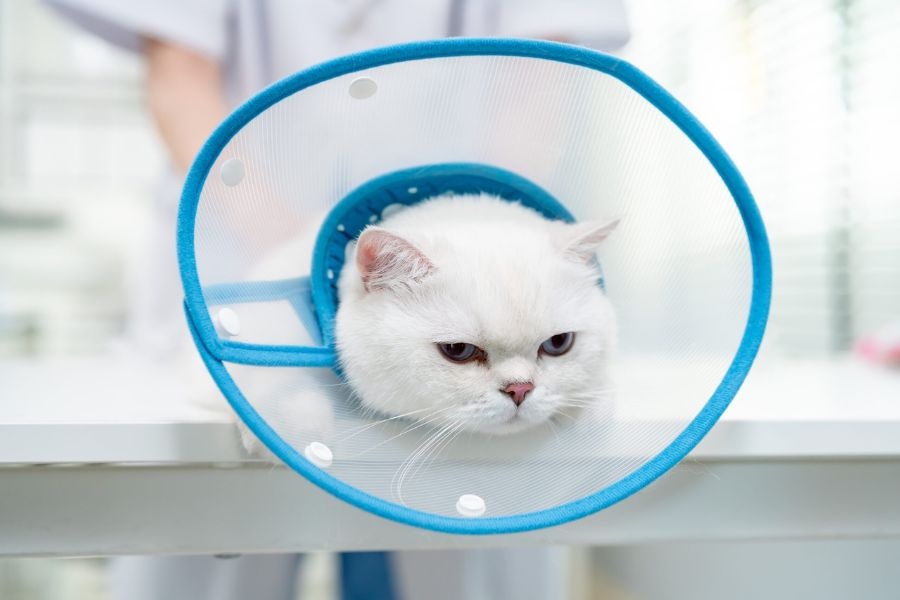
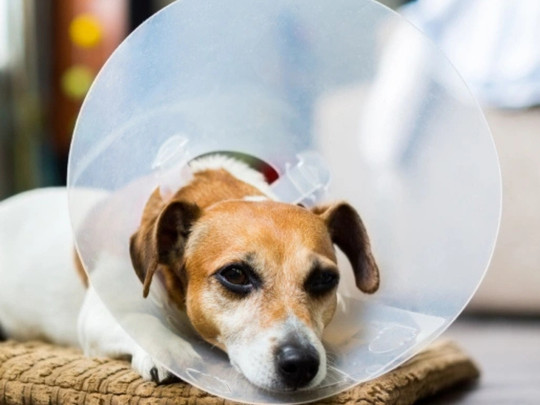
- An Elizabethan collar (E-collar or “cone of shame”)
- A soft recovery collar
- Medical recovery suits
Keep these on as advised, even if your dog looks annoyed. It’s a small inconvenience for a faster recovery.
5. Administer Medications as Prescribed
Pain management is a critical part of recovery. Give all prescribed medications exactly as instructed, even if your dog seems to be feeling better. Skipping doses or stopping meds early can lead to setbacks. Use pill pockets or mix meds with food if your dog is reluctant.
6. Feed a Nutritious Diet
After surgery, your dog may have a reduced appetite for a day or two. This is normal. However, once they begin eating, make sure they get a balanced diet rich in nutrients to support healing. Ask your vet if a special post-op diet or supplements are recommended.
Always provide clean, fresh water, and avoid giving treats that could cause gastrointestinal upset.
7. Monitor for Warning Signs
Even with the best care, complications can arise. Contact your vet immediately if you notice:
- Excessive swelling, redness, or discharge at the surgical site
- Vomiting or diarrhea lasting more than 24 hours
- Lethargy beyond the expected recovery period
- Difficulty breathing or walking
- Refusal to eat or drink
The sooner you act, the better the outcome.
8. Attend Follow-Up Appointments
Follow-up visits allow your vet to check healing progress, remove sutures if needed, and ensure there are no hidden complications. Even if your dog looks and acts normal, these check-ins are vital for confirming internal recovery.
Helping your dog recover from surgery requires time, attention, and a lot of love. By following your vet’s advice, limiting activity, keeping wounds clean, and watching for signs of complications, you’re giving your pet the best chance for a smooth recovery.
If you’re searching for compassionate and professional post-op care for dog surgery in Warrenville, IL, the trusted team at Green Family Veterinary Practice is here to help. Our experienced veterinarians provide personalized recovery plans to ensure your furry friend gets back on their paws quickly and safely.
Frequently Asked Questions (FAQs)
Q1. How long does it take for a dog to recover from surgery?
Ans. Most dogs recover within 10–14 days, but this depends on the type of surgery. Your vet will give you an expected timeline based on your dog’s procedure.
Q2. Can I walk my dog after surgery?
Ans. Yes, but only for short bathroom breaks on a leash. Avoid long walks or any strenuous activity until your vet says it’s safe.
Q3. What if my dog won’t eat after surgery?
Ans. A reduced appetite is normal for a day or two. If your dog refuses food for more than 48 hours, contact your veterinarian.
Q4. Is it okay to leave my dog alone after surgery?
Ans. Short periods are usually fine, but monitor closely during the first 24–48 hours. If you must leave, make sure they are in a safe, enclosed space where they can rest.
Q5. How do I stop my dog from licking the stitches?
Ans. Use an E-collar or recovery suit as directed by your vet. These tools prevent licking and help wounds heal faster.
Q6. When should I call the vet during recovery?
Ans. Call your vet if you notice signs of infection, prolonged vomiting, loss of appetite beyond two days, or any sudden changes in behavior.