28341 Diehl Rd. Warrenville, IL 60555

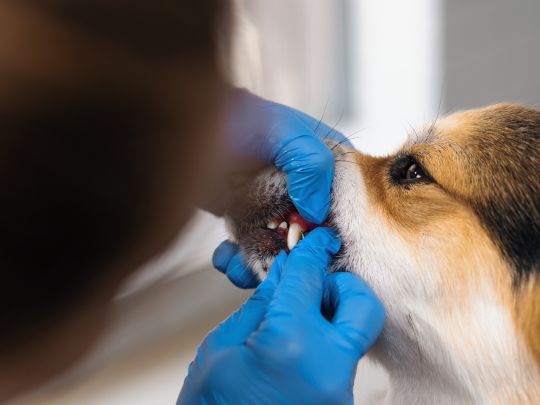
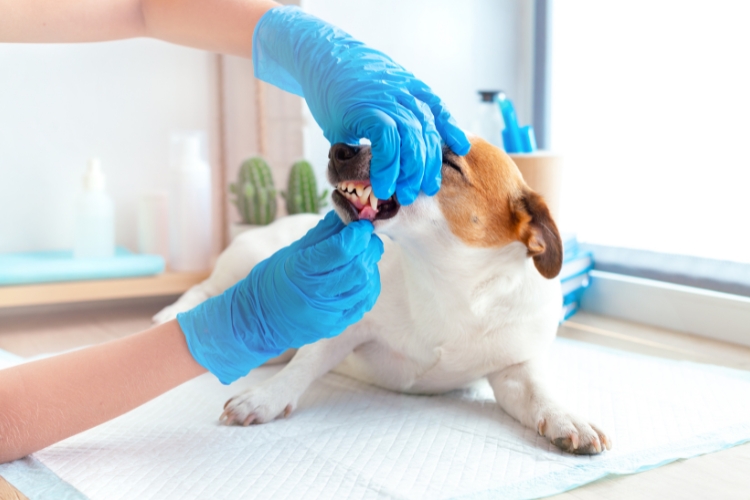
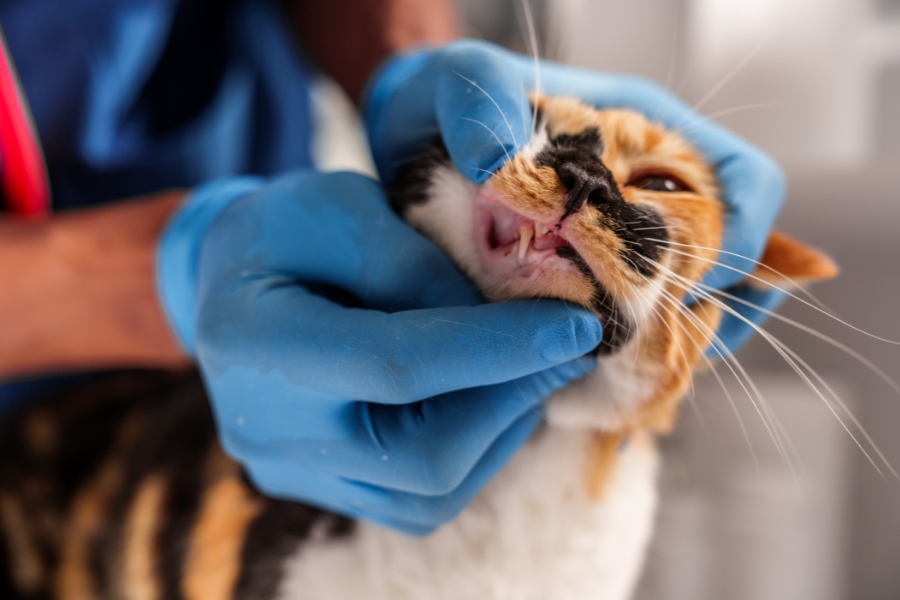
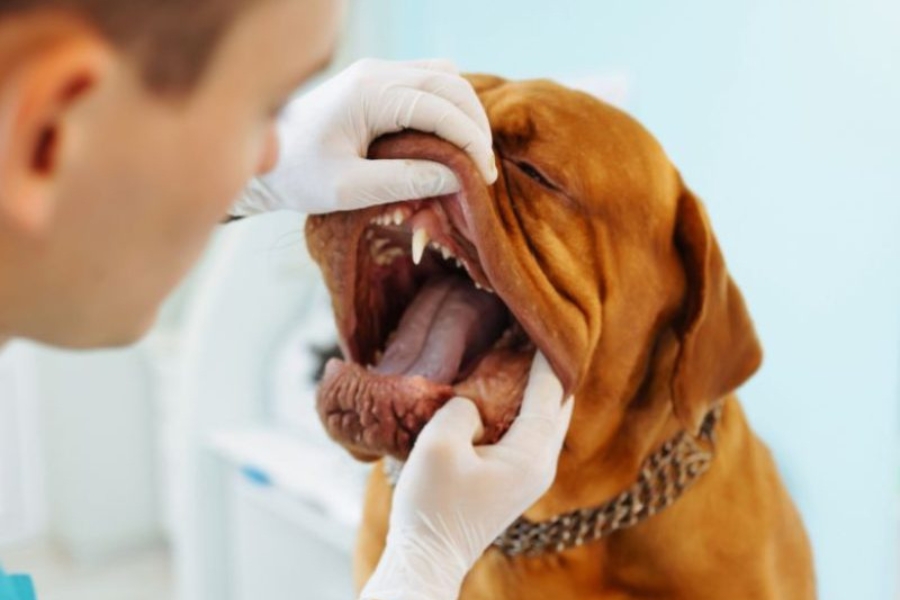
Just like humans, pets need proper dental care to maintain their overall health and well-being. Unfortunately, many pet owners overlook this essential part of pet care. Dental problems can lead to pain, infection, and serious health complications if left untreated. Therefore, maintaining your pet’s oral hygiene is not just a matter of fresh breath—it’s a vital component of their health.
In this comprehensive guide, you’ll learn everything you need to know to keep your pet’s teeth clean and their mouths healthy.
Why Pet Dental Health Matters
First and foremost, dental disease is one of the most common health issues in pets, especially dogs and cats. By the age of three, most pets already show signs of periodontal disease. This condition starts with plaque buildup and can progress to painful gum infections and tooth loss.
In addition, poor dental health can affect your pet’s internal organs. Bacteria from the mouth can enter the bloodstream and potentially harm the liver, kidneys, and heart.
So, taking care of your pet’s teeth can help prevent both minor discomfort and serious medical conditions.
Signs Your Pet May Have Dental Issues
Knowing the warning signs of dental disease is crucial. If your pet shows any of the following symptoms, schedule a dental check-up with your veterinarian:
- Bad breath
- Excessive drooling
- Difficulty eating or chewing
- Bleeding or swollen gums
- Loose or missing teeth
- Pawing at the mouth
- Yellow or brown tartar buildup on the teeth
The sooner you catch these signs, the easier it will be to treat any issues.
Daily Dental Care at Home
Luckily, preventing dental problems in pets is easier than you might think. Daily care goes a long way in maintaining healthy teeth and gums.
1. Brush Their Teeth
Start by brushing your pet’s teeth regularly. Use a soft-bristled toothbrush designed for pets and pet-safe toothpaste. Never use human toothpaste, as it can be toxic to animals.
Begin slowly, allowing your pet to get used to the sensation. Over time, work up to brushing their teeth several times a week—ideally, every day.
2. Use Dental Treats and Toys
Dental chews and toys are a great way to help reduce plaque and tartar. Choose products approved by the Veterinary Oral Health Council (VOHC). These products are designed to scrape away debris and massage your pet’s gums.
3. Offer a Healthy Diet
Feeding your pet a high-quality, balanced diet supports oral health. Some pet foods are even specially formulated to reduce plaque buildup. Ask your veterinarian for recommendations tailored to your pet’s needs.
Professional Dental Cleanings
Even with regular brushing, professional dental cleanings are essential. Your veterinarian will perform a thorough examination, take X-rays, and clean below the gumline—something you can’t do at home.
Typically, pets are placed under anesthesia for these procedures to ensure safety and comfort. Most vets recommend a professional cleaning once a year, but some pets may require them more often depending on their breed, age, and dental health history.
How Often Should You Schedule Dental Checkups?
Annual checkups are a good rule of thumb, but you should visit your vet sooner if you notice signs of dental problems. Smaller breeds and older pets may need more frequent visits due to a higher risk of dental disease.
Discuss your pet’s individual needs with your veterinarian to establish the right schedule.
Common Dental Procedures for Pets
Besides cleanings, your vet may recommend other procedures depending on your pet’s oral health. These may include:
- Tooth extractions for decayed or damaged teeth
- Treatment for gingivitis or periodontal disease
- Dental X-rays to assess below the gumline
These procedures might sound intimidating, but they can significantly improve your pet’s quality of life and prevent further complications.
The Role of Regular Vet Visits
Routine vet visits are not just about vaccines and general checkups. They are also the first line of defense against dental issues. During these visits, your vet can catch early signs of trouble and provide preventive advice.
Establishing a good relationship with your vet helps ensure that your pet’s dental health is always on track.
Taking care of your pet’s dental health should be part of your regular routine. From daily brushing to annual vet visits, each step plays a role in preventing pain, disease, and costly procedures later on.
If you’re looking for trusted pet dental care in Warrenville, IL, be sure to choose a veterinarian with experience in animal oral health. Your pet deserves a happy, healthy life—with a bright smile to match.