28341 Diehl Rd. Warrenville, IL 60555

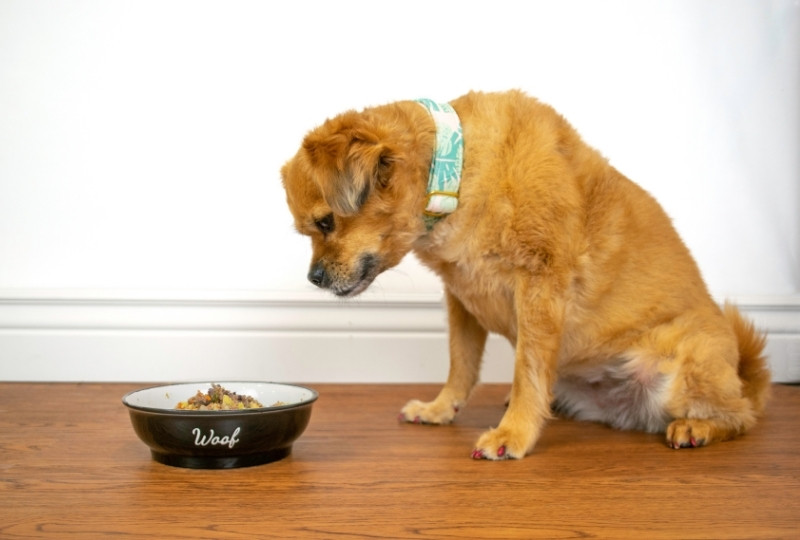
As dogs grow older, their nutritional needs change significantly. Just like humans, senior dogs require more specialized diets to maintain their health, mobility, and overall well-being. While your aging pup may still be active and full of personality, their body processes food differently than it once did. Therefore, feeding them the right ingredients becomes essential.
In this detailed guide, we will explore the healthiest foods for senior dogs and explain how proper nutrition can support their aging bodies. From high-quality proteins to essential fatty acids, you’ll learn exactly what your older companion needs to thrive.
Understanding Your Senior Dog’s Nutritional Needs
Before choosing the right foods, it is important to understand how aging impacts your dog’s metabolism and digestion. As dogs become older, their energy levels decrease. Therefore, they may not burn calories as efficiently as they used to. Additionally, they may experience:
- Slower metabolism
- Reduced muscle mass
- Joint stiffness or arthritis
- Dental issues
- Digestive sensitivity
Moreover, older dogs are more prone to chronic conditions such as kidney disease, diabetes, and heart issues. Because of this, nutrition must be more targeted to meet their evolving needs.
High-Quality Protein to Maintain Muscle Mass
Even though senior dogs are less active, they still require sufficient protein to preserve muscle strength. However, the protein must be high-quality and easy to digest. Look for foods that include:
- Chicken
- Turkey
- Salmon
- Lamb
- Eggs
These proteins provide essential amino acids that support muscle repair and overall health. Furthermore, digestible proteins help prevent unnecessary strain on the kidneys—a common concern for aging dogs.
Healthy Fats for Brain and Joint Health
Healthy fats are vital for senior dogs, especially the omega-3 fatty acids found in:
- Salmon oil
- Flaxseed oil
- Chia seeds
- Sardines
These fats support cognitive function, reduce inflammation, and ease joint discomfort. Additionally, omega-3s promote healthier skin and a shinier coat, which often becomes dry as dogs age.
Fiber for Digestive Support
Aging pups often experience digestive issues such as constipation, irregular bowel movements, or sensitivity to certain ingredients. Therefore, foods rich in dietary fiber can be extremely helpful. Consider ingredients like:
- Pumpkin
- Sweet potatoes
- Oatmeal
- Green beans
- Brown rice
Fiber aids digestion, improves stool quality, and supports a healthy gut microbiome. Furthermore, a fiber-rich diet can help manage weight, which is crucial for dogs with joint problems.
Antioxidant-Rich Foods for Immune Support
Senior dogs need extra help keeping their immune systems strong. Antioxidants fight free radicals and support overall wellness. Excellent options include:
- Blueberries
- Spinach
- Kale
- Carrots
- Cranberries
Moreover, antioxidants help prevent age-related diseases and support healthy brain function.
Joint-Friendly Ingredients for Mobility
Mobility often becomes a concern for older dogs. Therefore, adding joint-supporting ingredients to their diet can make a meaningful difference. Some essential supplements and foods include:
- Glucosamine
- Chondroitin
- Green-lipped mussels
- Turmeric
- Bone broth
These ingredients help reduce inflammation, improve flexibility, and keep your senior dog comfortable as they move.
Low-Sodium Foods for Heart Health
Heart health becomes increasingly important as dogs age. Consequently, feeding low-sodium foods can help reduce strain on the cardiovascular system. Look for dog foods labeled:
- Low sodium
- Heart-healthy
- Senior formula
Avoid overly processed treats, salty table scraps, and canned foods with high sodium content.
Hydration and Moisture-Rich Foods
Many senior dogs don’t drink enough water, which may lead to dehydration or kidney problems. Moisture-rich foods such as:
- Wet dog food
- Stews
- Hydrating toppers
- Broth-based meals
can help your aging dog maintain proper hydration levels. Furthermore, soft foods are easier to chew, making them ideal for dogs with dental issues.
Foods to Avoid for Senior Dogs
Although many foods can boost your senior dog’s health, some should be avoided:
- Foods high in fat
- Highly processed treats
- Sodium-loaded snacks
- Foods with artificial additives
- Hard foods that may cause dental pain
Additionally, avoid feeding grapes, chocolate, onions, garlic, and other toxic foods at all costs.
As your dog enters their senior years, the right nutrition becomes one of the most powerful tools for supporting their overall health. By choosing high-quality proteins, healthy fats, digestible carbohydrates, antioxidants, and joint-supportive ingredients, you can help your aging pup stay active, comfortable, and happy. Thoughtful dietary choices not only improve longevity but also enhance your dog’s daily quality of life.
For personalized guidance and expert advice on enhancing your dog’s golden years, consider consulting professionals who specialize in senior dog care to ensure your beloved companion receives the support they truly deserve.
FAQs
Q1. At what age is a dog considered a senior?
Ans. Most dogs are considered seniors between 7 and 10 years old, depending on size and breed.
Q2. How often should senior dogs eat?
Ans. Senior dogs benefit from two to three smaller meals daily to support digestion and energy levels.
Q3. Should senior dogs take supplements?
Ans. Many senior dogs benefit from supplements like omega-3s, glucosamine, and probiotics, but always consult a vet first.
Q4. Can senior dogs eat regular adult dog food?
Ans. They can, but senior formulas are better because they are tailored to older dogs’ nutritional needs.
Q5. Do senior dogs need more protein?
Ans. Yes, but it must be high-quality protein that is easy to digest and gentle on the kidneys.
Q6. Is wet food better for older dogs?
Ans. Wet food is easier to chew and offers more moisture, making it an excellent choice for senior dogs with dental or hydration issues.