28341 Diehl Rd. Warrenville, IL 60555

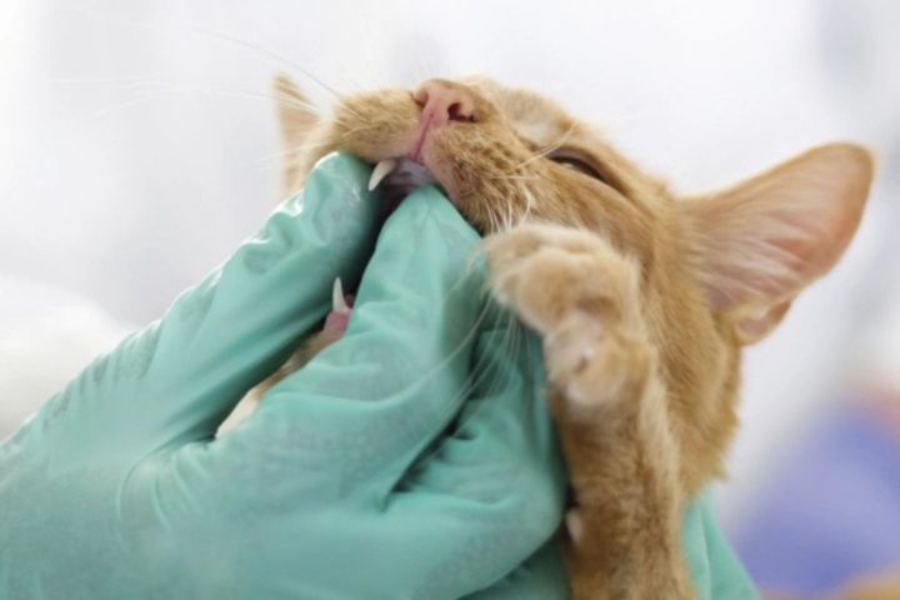
As a responsible cat owner, you naturally want your feline friend to stay healthy and happy. While most pet parents prioritize vaccinations and nutrition, dental health often gets overlooked. However, poor dental hygiene can lead to serious health problems for your cat. Understanding the signs that your cat may need a vet dental check-up is key to preventing long-term complications.
Let’s explore the most common signs and what they mean for your cat’s overall well-being.
1. Bad Breath That Won’t Go Away
One of the earliest and most noticeable signs of dental issues in cats is persistent bad breath. While a mild odor is normal, a foul smell could indicate plaque buildup, gum disease, or even a tooth infection. If your cat’s breath smells unusually strong or fishy, it’s time to schedule a dental exam.
2. Visible Tartar or Discolored Teeth
Regularly inspect your cat’s teeth if possible. Yellow or brown buildup on the teeth—especially along the gumline—can be a clear sign of tartar. Over time, this can lead to periodontal disease if left untreated. Early intervention helps prevent more serious problems, including tooth loss.
3. Drooling or Pawing at the Mouth
Although some cats may drool when they’re relaxed or happy, excessive drooling often points to discomfort. Additionally, if your cat constantly paws at their mouth or face, it could be due to oral pain. These behaviors should never be ignored, as they often suggest an underlying dental problem.
4. Difficulty Eating or Chewing
Have you noticed your cat dropping food while eating or only chewing on one side of their mouth? Difficulty eating is a red flag. Painful teeth or gums may cause your cat to avoid food altogether or become picky about textures. If your cat suddenly stops eating dry kibble, consult your vet for a dental check-up.
5. Swollen or Bleeding Gums
Red, swollen, or bleeding gums are classic indicators of gingivitis or advanced gum disease. These symptoms can lead to infections that may affect other organs if bacteria enter the bloodstream. A thorough dental examination will help determine the extent of the problem and the appropriate treatment.
6. Loose or Missing Teeth
Your adult cat should not be losing teeth. If you notice gaps in your cat’s smile or find a tooth on the floor, seek veterinary attention immediately. Loose or missing teeth typically suggest advanced dental disease and require immediate professional care.
7. Behavioral Changes
Cats are masters at hiding pain. Therefore, subtle behavioral shifts may be the only clues you get. Has your cat become withdrawn, irritable, or less active? Are they avoiding being touched near their face? These changes can all stem from dental discomfort and should not be dismissed.
8. Visible Sores or Ulcers in the Mouth
Mouth ulcers, inflammation, or sores could be signs of more serious conditions like stomatitis or oral cancer. Even minor-looking abnormalities warrant a vet visit, especially if your cat shows signs of pain while eating or grooming.
9. Yellowing Eyes or Weight Loss
While these symptoms may seem unrelated, they can result from advanced infections due to poor oral health. Bacteria from infected gums can travel to organs like the liver and kidneys, leading to systemic issues. Don’t wait until your cat’s overall health declines—address dental problems early.
Dental health is just as important as any other aspect of your cat’s well-being. If your cat exhibits any of the signs listed above, it’s essential to seek professional care. Delaying treatment can lead to pain, infection, and more severe health issues.
For expert pet dentistry in Warrenville, IL, visit your local veterinarian who specializes in feline dental care. A proactive approach today ensures your cat lives a longer, happier, and healthier life—starting with a pain-free smile.
FAQs
1. How often should my cat get a dental check-up?
Ideally, your cat should have a dental exam once a year. However, if they have a history of dental issues, your vet may recommend more frequent visits.
2. Can I brush my cat’s teeth at home?
Yes! Regular brushing using pet-safe toothpaste can help reduce plaque and tartar. Start slowly and consult your vet for guidance.
3. What are the risks of untreated dental disease in cats?
Untreated dental disease can lead to tooth loss, painful infections, and even damage to vital organs like the heart, liver, and kidneys.
4. Is anesthesia necessary for a cat dental cleaning?
Yes. Anesthesia allows the vet to thoroughly clean beneath the gums and perform a complete oral exam safely and painlessly.
5. What is feline stomatitis?
Feline stomatitis is a severe inflammation of the mouth and gums. It’s painful and often requires extensive treatment, including possible tooth extractions.
6. Can dry food clean my cat’s teeth?
Dry food may help reduce plaque slightly, but it doesn’t replace regular dental care. Professional cleanings and at-home brushing are far more effective.