28341 Diehl Rd. Warrenville, IL 60555

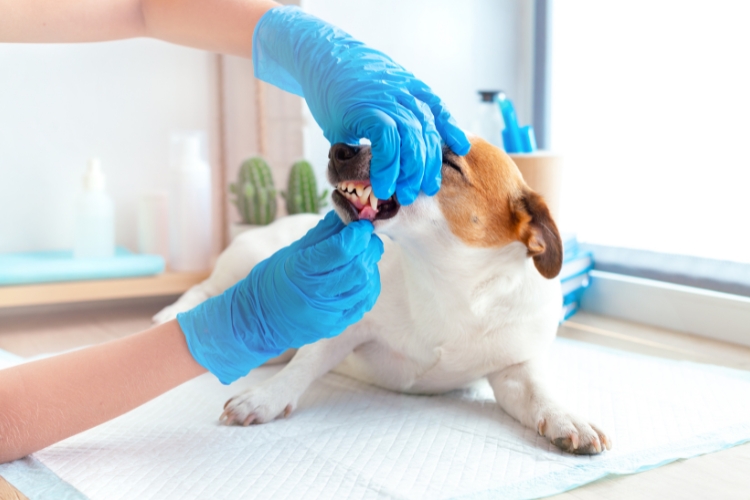
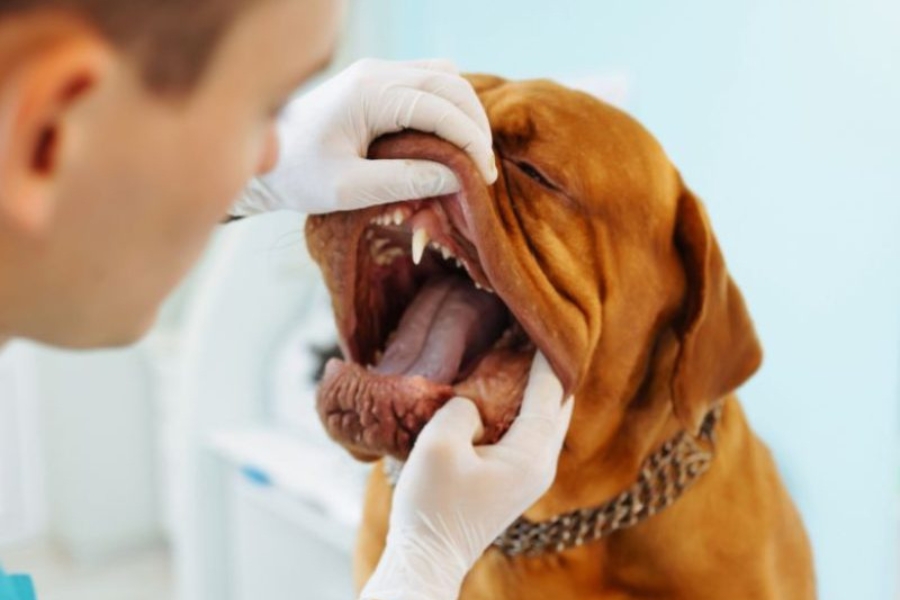
When it comes to maintaining your dog’s health, regular visits to the vet and a well-balanced diet often top the list. However, one essential aspect that pet owners often overlook is dental care. Just like humans, dogs need regular teeth cleaning to maintain their oral health. In fact, the American Veterinary Dental College (AVDC) estimates that 80% of dogs over the age of three suffer from some form of dental disease. This statistic highlights the importance of prioritizing dental care for your furry friend. Let’s dive into why dog teeth cleaning matters and how it contributes to your pet’s overall health.
The Role of Dental Health in Your Dog’s Well-being
Your dog’s teeth are not just for chewing food; they are crucial for overall health. If neglected, dental issues can lead to a host of other serious problems. Poor oral hygiene can cause gum disease, tooth decay, and even infections that affect the rest of the body. Just as you wouldn’t neglect your own oral health, it’s equally important to ensure your dog’s teeth remain clean and free from harmful bacteria.
1. Prevents Gum Disease
One of the most common dental problems dogs face is gum disease, or periodontal disease, which starts with the buildup of plaque and tartar on the teeth. If left untreated, this leads to inflamed gums and eventually tooth loss. Regular teeth cleaning helps prevent the buildup of plaque, ensuring your dog’s gums stay healthy and free from infection. By staying proactive with your pet’s dental care, you can avoid the pain and discomfort that come with gum disease.
2. Reduces Risk of Tooth Loss
Tooth loss is another serious concern for dogs with poor dental health. If plaque and tartar aren’t removed regularly, they can cause the teeth to loosen, making it difficult for your pet to chew properly. This leads to further complications, such as poor nutrition and digestive issues. Regular teeth cleaning can help prevent tooth loss and maintain your dog’s ability to chew their food comfortably.
3. Prevents Bad Breath
Dog bad breath, or halitosis, is often a sign of poor oral hygiene. While occasional bad breath is normal, persistent foul odor may indicate underlying dental issues, such as tooth decay or gum disease. Regular cleaning removes the buildup of food particles and bacteria that contribute to bad breath. This not only makes your dog’s kisses more pleasant but also indicates that their mouth is healthier overall.
4. Avoids Systemic Health Issues
Your dog’s oral health has a direct impact on their overall health. Bacteria from the mouth can enter the bloodstream, potentially leading to systemic issues like heart disease, kidney disease, and liver problems. By regularly cleaning your dog’s teeth and gums, you help reduce the risk of these serious health conditions. Preventive care can keep your pet healthier for longer and improve their quality of life.
5. Promotes Healthy Teeth and Gums
Just like humans, dogs need to have clean teeth and healthy gums to maintain optimal health. Regular brushing or professional teeth cleaning ensures your dog’s teeth remain strong and clean. A healthy mouth allows your dog to chew their food properly, which can lead to better digestion and overall wellness. Consistent dental care also keeps their gums from becoming inflamed, ensuring they stay healthy and pain-free.
6. Saves Money in the Long Run
Dental care for dogs might seem like an added expense, but it can save you money in the long run. Treating dental problems early with regular cleaning can prevent the need for expensive treatments like tooth extractions or gum surgeries. Professional dental cleanings are an investment that can help reduce the risk of severe dental disease and the associated costs down the line.
How Often Should You Clean Your Dog’s Teeth?
It’s generally recommended to have your dog’s teeth cleaned by a professional at least once a year. However, depending on your dog’s breed, age, and diet, more frequent cleanings may be necessary. Some dogs are more prone to plaque buildup, while others may have a genetic predisposition to dental problems. You should consult with your veterinarian to determine the best dental care plan for your pet.
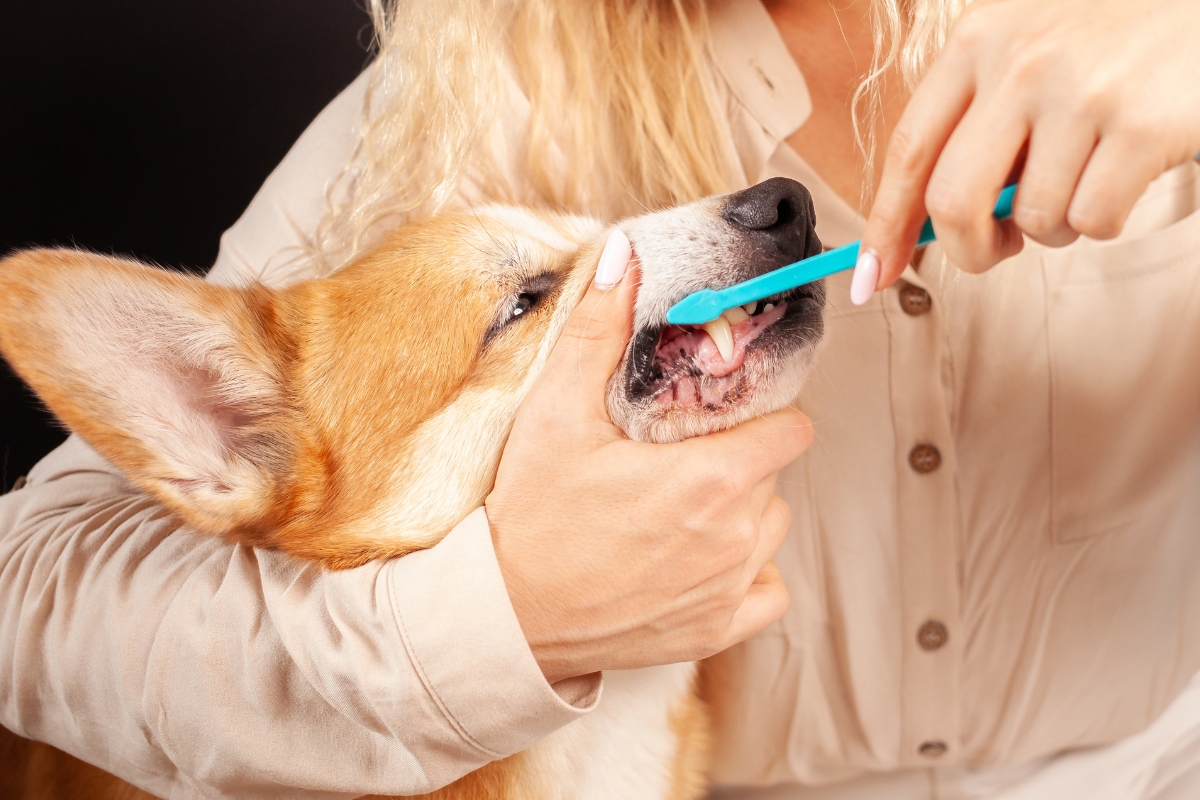
In addition to professional cleanings, at-home care is essential. Brushing your dog’s teeth with a pet-safe toothbrush and toothpaste several times a week can significantly improve their oral health. There are also dental chews and toys designed to help keep your dog’s teeth clean in between professional cleanings.
Regular dog dental care is essential for preventing gum disease, tooth loss, and other serious health issues. Prioritizing your dog’s oral health through routine teeth cleanings and at-home care ensures a happier, healthier life for your pet. Don’t wait for problems to arise—take action now to maintain their smile and overall well-being. If you’re concerned about your dog’s dental health, consult with your veterinarian for advice and care tailored to your pet’s needs.
FAQs
Q1. How often should I clean my dog’s teeth?
Ans. It’s recommended to have your dog’s teeth professionally cleaned once a year. Brushing at home several times a week can help keep plaque buildup at bay.
Q2. What are the signs of gum disease in dogs?
Ans. Signs of gum disease include bad breath, swollen or bleeding gums, difficulty eating, and excessive drooling. If you notice these symptoms, consult your veterinarian immediately.
Q3. Can I use human toothpaste to clean my dog’s teeth?
Ans. No, human toothpaste contains fluoride, which is toxic to dogs. Always use toothpaste specifically designed for pets.
Q4. Are dental chews enough to clean my dog’s teeth?
Ans. Dental chews can help reduce plaque buildup, but should not replace regular brushing and professional cleanings. They should be used as a supplement to regular care.
Q5. Why does my dog’s breath smell bad?
Ans. Bad breath in dogs is often a sign of dental issues like plaque, tartar buildup, or gum disease. Regular teeth cleaning can help prevent bad breath.
Q6. How can I prevent dental disease in my dog?
Ans. Regular brushing, professional cleanings, and providing dental chews can help prevent dental disease. A balanced diet and regular vet check-ups also contribute to oral health.