28341 Diehl Rd. Warrenville, IL 60555

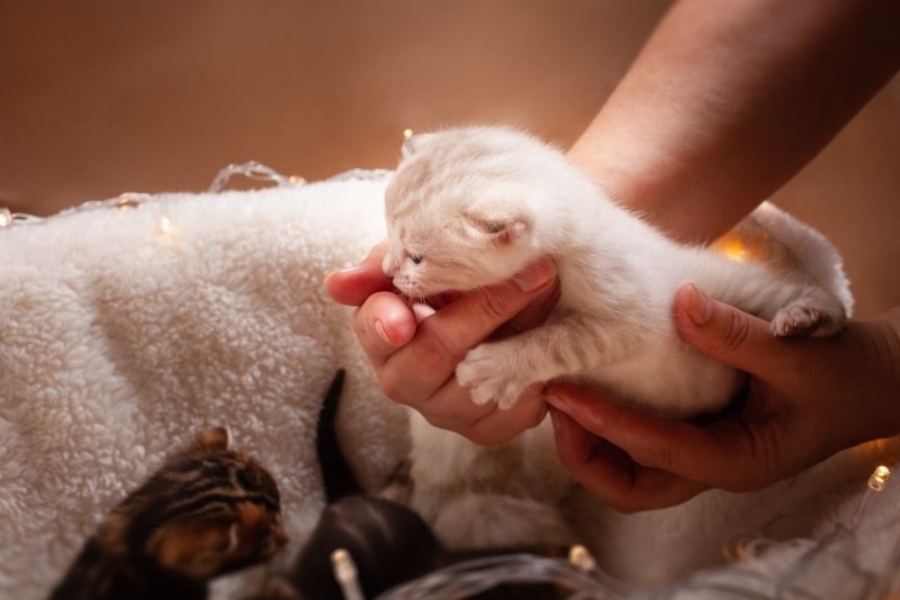
Bringing home a new kitten is an exciting milestone. From cuddles to playful moments, your tiny companion quickly becomes part of the family. However, to ensure they grow strong and healthy, their first veterinary visit is incredibly important. This initial checkup lays the foundation for lifelong health and helps new pet parents understand proper care routines.
In this guide, we’ll walk you through everything you should expect during your kitten’s first vet visit. Additionally, we’ll discuss why this appointment is essential, how you can prepare, and the crucial steps the vet will take to support your kitten’s development.
Why Your Kitten’s First Vet Visit Matters
Your kitten’s first vet visit is more than just a routine check. It is a detailed evaluation of your kitten’s health status. Because kittens are vulnerable to infections, parasites, and congenital issues, early detection is essential. Moreover, this visit helps establish a vaccination schedule and ensures your kitten begins life on the right path.
During this first appointment, the veterinarian will examine your kitten from head to tail, review their history, and guide you on nutrition, grooming, and behavioral expectations.
Preparing for the First Vet Visit
Before you head to the clinic, preparing your kitten properly makes the experience smoother. Start by placing your kitten in a secure carrier, as this ensures their safety during travel. Additionally, bring any documents you received from the shelter, breeder, or previous caregiver. These may include vaccination records, health history, or information about medications.
It’s also helpful to bring:
- A small blanket with familiar scents
- A list of questions you’d like to ask
- A sample of your kitten’s current food
What Happens During the First Exam?
1. A Complete Physical Evaluation
During your kitten’s first vet visit, the veterinarian will perform a thorough physical exam. They will check your kitten’s:
- Eyes, ears, and nose
- Teeth and gums
- Heart and lungs
- Skin and coat condition
- Joints and mobility
- Weight and growth progress
This detailed assessment helps detect any congenital or early-stage health concerns that may require attention.
2. Vaccination Planning
Kittens require a series of vaccinations starting as early as six to eight weeks of age. These vaccines prevent serious illnesses like:
- Feline distemper
- Feline herpesvirus
- Calicivirus
- Rabies
During your visit, your vet will explain the vaccination schedule and administer the first dose if your kitten is old enough. Consistent vaccines build strong immunity and protect your kitten during their crucial early months.
3. Parasite Screening and Prevention
Parasite prevention is a significant part of the visit. Since kittens often contract parasites from their mother or environment, your veterinarian will check for:
- Fleas and ticks
- Ear mites
- Roundworms
- Hookworms
- Coccidia
A stool sample may be taken to identify internal parasites. Furthermore, the vet will discuss preventive treatments to keep your kitten parasite-free.
4. Discussing Nutrition and Feeding Needs
Proper nutrition is essential for your kitten’s growth. Therefore, your vet will provide guidance on the right type of food, the correct portions, and feeding schedules. They may also explain the importance of:
- High-quality kitten food
- Adequate hydration
- Avoiding harmful human foods
This advice helps new pet parents avoid nutritional mistakes that could affect development.
5. Behavior and Socialization Guidance
Kittens learn quickly, so this is the perfect time to ask behavioral questions. Your vet may provide insights on:
- Litter training
- Play behavior
- Socialization
- Scratching habits
- Safe toys
Understanding your kitten’s behavior early helps prevent future issues and encourages healthy interactions.
6. Future Care Planning
Finally, your veterinarian will outline the next steps in your kitten’s health journey. This includes:
- Follow-up vaccination appointments
- Spay or neuter recommendations
- Microchipping
- Dental care timeline
- Safe home environment tips
Planning ahead ensures your kitten remains healthy as they transition into adulthood.
Tips to Make the Vet Visit Stress-Free
While the first vet visit can be overwhelming for a kitten, the following simple steps help reduce stress:
- Keep your kitten’s carrier warm and comfortable
- Use gentle, reassuring voices
- Offer treats after the appointment
- Avoid loud sounds and sudden movements
- Allow your kitten time to explore the carrier at home beforehand
A calm experience builds positive associations with future veterinary visits.
Your kitten’s first vet visit marks the beginning of a long, healthy, and happy life. By understanding what to expect and preparing accordingly, you give your furry companion the foundation they need to thrive. Regular checkups, proper vaccinations, parasite prevention, and personalized guidance all play crucial roles in your kitten’s overall well-being.
If you want to provide the best possible start for your new pet, consider scheduling professional kitten care in Warrenville, IL to ensure your kitten receives comprehensive, compassionate veterinary attention.
FAQs
Q1. When should I take my kitten to the vet for the first time?
Ans. You should schedule the first vet visit when your kitten is around 6–8 weeks old.
Q2. What vaccines does my kitten need?
Ans. Core vaccines include distemper, herpesvirus, calicivirus, and rabies. Your vet will create a custom schedule.
Q3. Do kittens need flea and worm treatments?
Ans. Yes. Parasite prevention is essential for protecting your kitten’s health.
Q4. Should I bring anything to the first vet visit?
Ans. Bring your kitten’s carrier, medical records, and any questions you may have.
Q5. How often should kittens visit the vet?
Ans. Kittens typically need multiple visits during their first few months to complete vaccinations and health screenings.
Q6. When should I schedule spaying or neutering?
Ans. Most vets recommend spaying or neutering between 4–6 months of age, depending on the kitten’s health.