
Understanding the Unique Needs of Small Pets
Hamsters, gerbils, and chinchillas are small, sensitive pets with very specific needs. Each species has its own diet, housing, and handling requirements. At Green Family Veterinary Practice, Dr. Mary Grabowski has experience caring for exotic pets and helps owners make simple, smart choices. With the right support, these pets can live longer and feel their best.
Characteristics of Hamsters, Gerbils, and Chinchillas
These pets are curious and active, but they are not all the same. They have delicate digestive systems and can get stressed easily. Preventive care, safe handling, and proper diets are key. Regular wellness exams help us detect problems early.
Hamsters
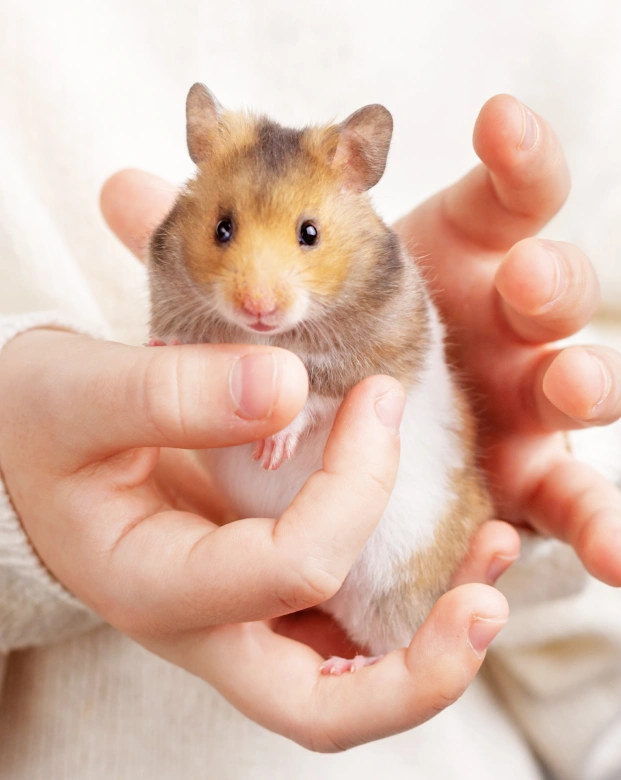
- Social needs: Best kept alone. Many species do not share space well.
- Activity: Mostly nocturnal; most active at night.
- Temperament: Can be territorial; gentle, regular handling helps.
- Diet basics: Quality pellets or blocks with limited seeds, plus small amounts of fresh veggies.
- Housing musts: Escape-proof enclosure, deep bedding for burrowing, a large solid-surface wheel.
- Grooming: Spot clean; some enjoy a small sand dish for bathing.
- Lifespan: About 2 to 3 years.
Gerbils
- Social needs: Do best in same-sex pairs or stable small groups.
- Activity: Diurnal to crepuscular; active during the day and evening.
- Temperament: Energetic and curious; enjoy gentle handling.
- Diet basics: Diet take out seed mix, add hay and wood chews or sticks.
- Housing musts: Deep bedding for tunneling, chew toys, safe sand bath, secure lid.
- Grooming: Dust bath helps keep coats clean; avoid water baths.
- Enclosure: Enclosure is no plastic or wire cages, bedding to burrow like Aspen or carefree, provide a wooden hide, and safe stable Non plastic wheel.
- Lifespan: Live up to 5 years.
Chinchillas
- Social needs: Thrive in pairs or groups; can survive alone with ample human interaction.
- Activity: Crepuscular; most active at dawn and dusk.
- Temperament: Sensitive and quick; prefer calm, confident handling.
- Diet basics: High-fiber hay daily with plain chinchilla pellets; avoid sugary treats.
- Housing musts: Large multi-level enclosure, chew-safe wood, cool, dry environment.
- Grooming: Dust baths several times a week to keep fur healthy.
- Lifespan: Lifespan 15-20 years.
When To Call Us Right Away
Small pets often hide illness, so small changes can mean big problems. If you see any of the signs below, treat them as urgent and contact Green Family Veterinary Practice right away. Early care can prevent complications and keep your pet comfortable.
- Refusing food or water for several hours
- No droppings or very small droppings
- Sudden weakness or weight loss
- Labored breathing or nasal discharge
- Significant hair loss or constant scratching
- Any trauma or bleeding