28341 Diehl Rd. Warrenville, IL 60555

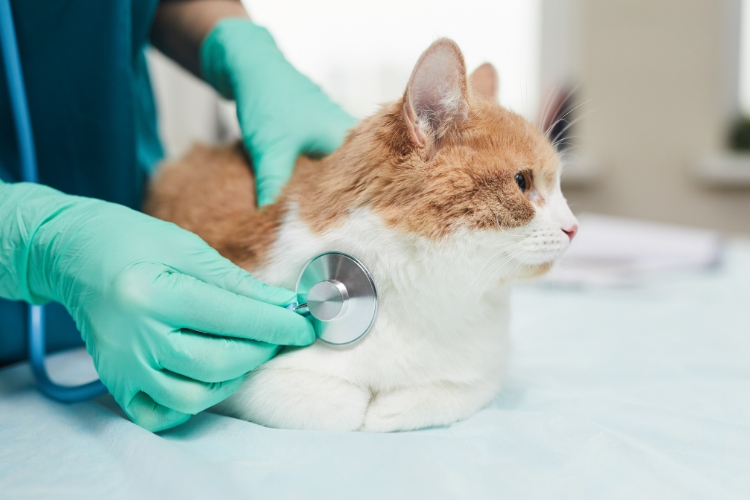
As a loving pet owner, you want your furry companion to live a long, happy, and healthy life. While nutritious food, daily exercise, and affection play important roles, regular veterinary visits are equally essential. In fact, consistent checkups allow veterinarians to detect potential health issues early, provide preventive treatments, and guide you through every stage of your pet’s life.
Moreover, routine veterinary care does far more than treat illnesses. It focuses on prevention, education, and long-term wellness. Through structured pet preventative care, veterinarians help pets avoid serious diseases before they even begin.
At Green Family Veterinary Practice, we proudly support families who want the very best for their pets. This guide is specially written for pet owners in Warrenville, IL.
The Importance of Preventive Veterinary Care
First and foremost, prevention is always better than cure. Regular veterinary visits allow your veterinarian to monitor your pet’s health over time. As a result, they can identify subtle changes that may indicate underlying issues.
During routine exams, veterinarians:
- Check weight and body condition
- Examine eyes, ears, and teeth
- Listen to the heart and lungs
- Assess joint mobility
- Evaluate skin and coat condition
Because pets cannot verbally express discomfort, these physical examinations become critical. Even small changes in behavior or appetite may signal early disease. Therefore, early detection dramatically improves treatment success.
In addition, structured pet preventative care includes vaccinations, parasite control, dental evaluations, and wellness screenings. These steps reduce the risk of chronic disease and extend life expectancy.
Early Detection Saves Lives
Many serious illnesses develop silently. For example, kidney disease, diabetes, and heart conditions often progress without obvious symptoms. However, routine blood work and diagnostic tests can reveal abnormalities before your pet shows signs of illness.
Consequently, early diagnosis allows for early intervention. When veterinarians detect a condition in its early stages, treatment is often less invasive, less expensive, and more effective.
Furthermore, early treatment prevents complications. Instead of managing advanced disease, your veterinarian can control or even reverse certain conditions with proper care.
Vaccinations Protect Against Life-Threatening Diseases
Vaccines remain one of the most powerful tools in veterinary medicine. They protect pets from dangerous diseases such as rabies, distemper, parvovirus, and feline leukemia.
Importantly, vaccination schedules are not one-size-fits-all. Your veterinarian evaluates your pet’s age, lifestyle, and risk factors before recommending vaccines. For instance, pets who visit dog parks or boarding facilities may require additional protection.
By maintaining updated vaccinations, you not only protect your pet but also safeguard other animals in the community.
Parasite Prevention Supports Long-Term Health
Parasites can cause serious harm if left untreated. Fleas, ticks, heartworms, and intestinal worms affect pets of all ages. However, many infestations remain unnoticed until symptoms become severe.
Regular veterinary visits include parasite screenings and preventative treatments. Through proactive management, your veterinarian can prevent:
- Heartworm disease
- Tick-borne illnesses
- Severe flea allergies
- Intestinal infections
As a result, your pet stays comfortable and healthy year-round.
Dental Care Extends Your Pet’s Life
Many pet owners underestimate the importance of dental health. However, untreated dental disease can lead to pain, infection, and even organ damage.
Bacteria from infected gums can enter the bloodstream. Eventually, this may affect the heart, liver, and kidneys. Therefore, routine dental examinations and cleanings are vital.
During regular visits, veterinarians check for:
- Tartar buildup
- Gum inflammation
- Broken teeth
- Oral infections
With early dental intervention, pets avoid chronic pain and systemic complications.
Nutrition and Weight Management Matter
Obesity remains one of the most common health issues in pets. Unfortunately, excess weight increases the risk of diabetes, arthritis, and heart disease.
During routine checkups, your veterinarian evaluates your pet’s body condition and weight trends. Then, they recommend dietary adjustments or exercise plans if necessary.
Because every pet has unique nutritional needs, personalized guidance makes a significant difference. Balanced nutrition supports immune function, joint health, and overall vitality.
Monitoring Senior Pets Closely
As pets age, their healthcare needs change. Senior pets require more frequent monitoring because they face higher risks of chronic conditions.
For example, older pets may develop:
- Arthritis
- Kidney disease
- Thyroid imbalances
- Cognitive dysfunction
Regular veterinary visits allow for early screening and tailored treatment plans. Consequently, senior pets maintain comfort and mobility for longer periods.
Additionally, pain management strategies significantly improve quality of life. With proper care, aging does not have to mean suffering.
Behavioral Assessments Improve Well-Being
Behavior changes often indicate medical problems. For instance, increased aggression, anxiety, or lethargy may stem from underlying pain or illness.
During wellness visits, veterinarians discuss behavioral concerns and provide solutions. Sometimes, simple environmental adjustments resolve the issue. Other times, medical intervention is necessary.
By addressing behavior early, you prevent stress and strengthen the bond between you and your pet.
Building a Lifelong Partnership with Your Veterinarian
Consistency matters. When you visit the same veterinary practice regularly, your veterinarian becomes familiar with your pet’s medical history and personality.
This relationship allows for:
- Accurate health tracking
- Faster diagnosis
- Customized treatment plans
- Greater trust and comfort
Moreover, pets feel more relaxed when they recognize their veterinary environment. Reduced stress leads to more accurate examinations and better overall experiences.
At Green Family Veterinary Practice, we prioritize communication, education, and compassionate care. We partner with pet owners to make informed decisions that support lifelong wellness.
Local Care Makes a Difference
Choosing a trusted local veterinarian ensures accessible, timely care. When emergencies arise, proximity matters.
At Green Family Veterinary Practice, we understand the needs of families in Warrenville, IL. Our team provides comprehensive services tailored to pets in our community. Because local environments influence health risks, personalized care makes a meaningful difference.
How Often Should Pets Visit the Veterinarian?
The frequency of visits depends on age and health status:
- Puppies and kittens: Every 3–4 weeks until vaccinations are complete
- Adult pets: At least once per year
- Senior pets: Twice per year or more
However, if you notice changes in appetite, energy levels, or behavior, schedule an appointment immediately. Prompt action protects your pet from worsening conditions.
The Long-Term Benefits of Routine Veterinary Care
When you commit to regular veterinary visits, you invest in your pet’s future. Benefits include:
- Increased lifespan
- Improved quality of life
- Lower long-term medical costs
- Reduced emergency visits
- Stronger human-animal bond
Ultimately, preventive care builds a foundation for lifelong health. Small, consistent actions today prevent major complications tomorrow.
Regular veterinary visits are not optional — they are essential. From early disease detection to nutritional guidance and senior support, consistent care keeps pets healthier for longer.
If you are in Warrenville and looking for a veterinarian near you, book an appointment with Green Family Veterinary Practice. Our veterinary team is dedicated to providing compassionate, comprehensive care that helps your pet live a longer, healthier life.
FAQs
Q1. How often should I schedule veterinary visits for my pet?
Ans. Most adult pets should visit the veterinarian at least once a year. However, puppies, kittens, and senior pets may need more frequent checkups to monitor growth, vaccinations, and age-related health conditions.
Q2. What happens during a routine veterinary exam?
Ans. During a wellness visit, the veterinarian performs a full physical exam, checks vital signs, evaluates dental health, and may recommend blood tests or vaccinations based on your pet’s age and lifestyle.
Q3. Why is early disease detection important?
Ans. Early detection allows veterinarians to treat health conditions before they become serious. As a result, treatment is often more effective, less invasive, and more affordable.
Q4. Are indoor pets required to see a veterinarian regularly?
Ans. Yes. Even indoor pets can develop health problems such as dental disease, obesity, or internal illnesses. Regular checkups ensure they stay healthy regardless of lifestyle.
Q5. Do senior pets need special veterinary care?
Ans. Absolutely. Senior pets face higher risks of arthritis, kidney disease, and other chronic conditions. Therefore, more frequent monitoring helps maintain their comfort and quality of life.
Q6. How do regular veterinary visits help pets live longer?
Ans. Routine checkups focus on prevention, vaccinations, nutrition guidance, and early diagnosis. Together, these measures reduce health risks and significantly increase your pet’s lifespan.