28341 Diehl Rd. Warrenville, IL 60555

Keeping your pet healthy involves more than routine checkups and vaccinations. In many cases, veterinarians rely on diagnostic testing to understand what is happening inside your pet’s body. These tests allow veterinary professionals to identify illnesses early, monitor ongoing conditions, and create personalized treatment plans.
Pets cannot explain when something feels wrong. Therefore, subtle symptoms may go unnoticed until the problem becomes more serious. Comprehensive diagnostic testing helps uncover hidden health issues before they become severe. As a result, early detection often leads to more effective treatment and improved quality of life.
Moreover, diagnostic tests provide valuable information about organ function, infections, nutritional deficiencies, and many other health factors. Veterinarians use this data to make informed decisions about treatment and preventive care.
This guide will help pet owners understand why diagnostic testing matters, what tests are commonly used, and how these procedures support long-term wellness. If you live in Warrenville, IL, understanding these services can help you make better healthcare decisions for your pet.
Why Diagnostic Testing Is Important for Pets
Diagnostic testing plays a crucial role in modern veterinary medicine. Without it, veterinarians would often rely only on physical examinations and symptoms. While those are important, they may not reveal the full picture.
First, many diseases begin silently. Conditions such as kidney disease, diabetes, or thyroid problems often develop gradually. By the time obvious symptoms appear, the disease may already be advanced.
Second, testing allows veterinarians to detect abnormalities early. Early diagnosis often means simpler treatments and better outcomes. For example, detecting an infection early may prevent it from spreading or becoming severe.
In addition, diagnostic testing helps track a pet’s health over time. Regular tests can show whether treatments are working or if adjustments are needed.
Because every pet is different, veterinary professionals often recommend pet diagnostic care that suits the animal’s age, breed, lifestyle, and medical history.
Common Signs Your Pet May Need Diagnostic Testing
Sometimes, veterinarians recommend tests during routine wellness visits. However, certain signs may also indicate that diagnostic testing is necessary.
Pet owners should watch for symptoms such as:
- Sudden changes in appetite
- Unexplained weight loss or gain
- Vomiting or diarrhea
- Persistent coughing
- Lethargy or reduced activity
- Increased thirst or urination
- Changes in behavior
Although these symptoms do not always indicate a serious problem, they can signal underlying health issues. Therefore, prompt evaluation is essential.
Veterinarians often combine physical exams with diagnostic testing to determine the exact cause of the problem.
Types of Diagnostic Tests Used in Veterinary Medicine
Veterinary medicine uses a wide range of diagnostic tools. Each test serves a specific purpose and helps veterinarians evaluate different aspects of your pet’s health.
Blood Tests
Blood tests are among the most common diagnostic tools in veterinary care. These tests evaluate organ function, blood cell counts, hormone levels, and infections.
For instance, blood chemistry panels help assess the health of organs such as the liver and kidneys. Meanwhile, complete blood counts can identify infections, anemia, or immune system problems.
Because blood testing provides detailed insights, it is often recommended during annual wellness exams or when pets show signs of illness.
Urinalysis
Urinalysis evaluates the composition of a pet’s urine. This test helps detect urinary tract infections, kidney disease, diabetes, and other metabolic conditions.
Veterinarians often recommend urinalysis alongside blood testing. Together, these tests provide a clearer understanding of internal health.
Additionally, urinalysis can reveal issues that may not appear during a physical examination.
Fecal Testing
Fecal tests check for intestinal parasites such as worms or protozoa. These parasites can affect pets of all ages and sometimes spread to humans.
Regular fecal testing helps ensure that pets remain free from harmful parasites. It is particularly important for young pets or animals that spend time outdoors.
Preventing parasites protects both pets and their families.
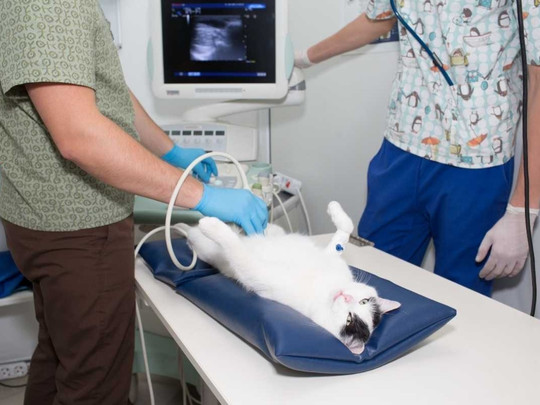
Diagnostic Imaging
Imaging tools allow veterinarians to view structures inside the body without surgery. Common imaging methods include:
- X-rays
- Ultrasound
- Digital radiography
These techniques help identify bone fractures, tumors, organ enlargement, and internal injuries.
For example, X-rays often reveal skeletal problems or swallowed objects. Meanwhile, ultrasound helps veterinarians examine soft tissues such as the heart, liver, and kidneys.
Diagnostic imaging provides valuable information that guides treatment decisions.
Allergy Testing
Pets can develop allergies to environmental triggers, food ingredients, or parasites. Allergy testing helps determine the exact cause of these reactions.
Once veterinarians identify the allergen, they can develop a treatment plan that reduces symptoms and improves comfort.
Allergy testing often benefits pets experiencing chronic itching, skin irritation, or recurring ear infections.
Advanced Laboratory Testing
In some situations, veterinarians may recommend specialized laboratory tests. These tests evaluate specific conditions such as hormone imbalances, infectious diseases, or genetic disorders.
Advanced diagnostics help create highly targeted treatment plans. This approach ensures that pets receive the most effective care possible.
Through personalized testing strategies, veterinarians can provide accurate diagnoses and tailored treatments.
How Diagnostic Testing Supports Preventive Care
Preventive care focuses on maintaining health rather than only treating illness. Diagnostic testing plays a key role in this approach.
Routine testing allows veterinarians to establish baseline health values. These values serve as reference points for future exams. If changes occur, veterinarians can detect them quickly.
Preventive testing is particularly important for senior pets. As animals age, they become more vulnerable to conditions such as arthritis, heart disease, and organ dysfunction.
By identifying issues early, veterinarians can intervene sooner and manage diseases more effectively.
Regular pet diagnostic care helps ensure that small problems do not develop into major health concerns.
What to Expect During Diagnostic Testing
Many pet owners worry about how testing might affect their animals. Fortunately, most diagnostic procedures are quick and minimally invasive.
For example, blood tests typically involve a small sample collected from a vein. Urine and fecal samples are also simple to obtain.
Imaging procedures may require pets to remain still. In some cases, mild sedation may be recommended to ensure accurate results.
Veterinary teams prioritize safety and comfort throughout the process. They also explain each step so owners understand why the test is necessary.
Clear communication helps pet owners feel confident about their pet’s care.
How Diagnostic Testing Improves Treatment Plans
Accurate diagnosis leads to better treatment. Without testing, veterinarians may need to rely on guesswork.
However, diagnostic results provide detailed information about the underlying problem. As a result, veterinarians can recommend treatments that directly address the issue.
For example, laboratory results may reveal bacterial infections that require antibiotics. Imaging results might identify a fracture that needs surgical repair.
Targeted treatments often work faster and reduce unnecessary medications. Consequently, pets recover more quickly and experience fewer complications.
The Role of Technology in Veterinary Diagnostics
Modern technology has transformed veterinary diagnostics. Today’s veterinary clinics use advanced equipment that delivers faster and more accurate results.
Digital imaging systems provide clearer views of internal structures. Automated laboratory machines process blood and urine samples quickly.
These technological advancements help veterinarians diagnose conditions earlier and monitor treatments more effectively.
Furthermore, improved diagnostic tools allow veterinary professionals to deliver higher standards of care for pets.
Supporting Long-Term Pet Health
Comprehensive diagnostic testing is not only for sick pets. Healthy animals also benefit from regular screenings.
Routine diagnostics help veterinarians monitor aging pets, detect silent diseases, and evaluate overall wellness.
Pet owners play an important role in this process. By scheduling regular veterinary visits and following recommended testing schedules, they can protect their pets’ health for years to come.
Strong partnerships between veterinarians and pet owners create the best outcomes for animals.
Comprehensive diagnostic testing provides valuable insights into a pet’s health. These tests help veterinarians detect diseases early, identify underlying conditions, and design effective treatment plans.
By combining physical exams with modern diagnostic tools, veterinary professionals can provide thorough and personalized care. Early detection and preventive testing significantly improve a pet’s quality of life.
If you are in Warrenville, IL and looking for pet diagnostic care, book an appointment with Green Family Veterinary Practice. Our veterinary team is committed to providing compassionate and advanced diagnostic services to keep your pets healthy and happy.
FAQs
Q1. What is diagnostic testing for pets?
Ans. Diagnostic testing refers to medical tests used by veterinarians to evaluate a pet’s health. These tests help detect diseases, infections, and organ problems.
Q2. How often should pets have diagnostic tests?
Ans. Most veterinarians recommend annual testing during wellness exams. Senior pets may require testing every six months.
Q3. Are diagnostic tests safe for pets?
Ans. Yes. Most tests are minimally invasive and performed safely by trained veterinary professionals.
Q4. What is the most common diagnostic test for pets?
Ans. Blood testing is one of the most common procedures. It helps evaluate organ function, infection levels, and overall health.
Q5. Do healthy pets need diagnostic testing?
Ans. Yes. Preventive testing helps detect hidden conditions before symptoms appear.
Q6. How long does it take to get test results?
Ans. Some results are available the same day, while others may take a few days depending on the type of test.