
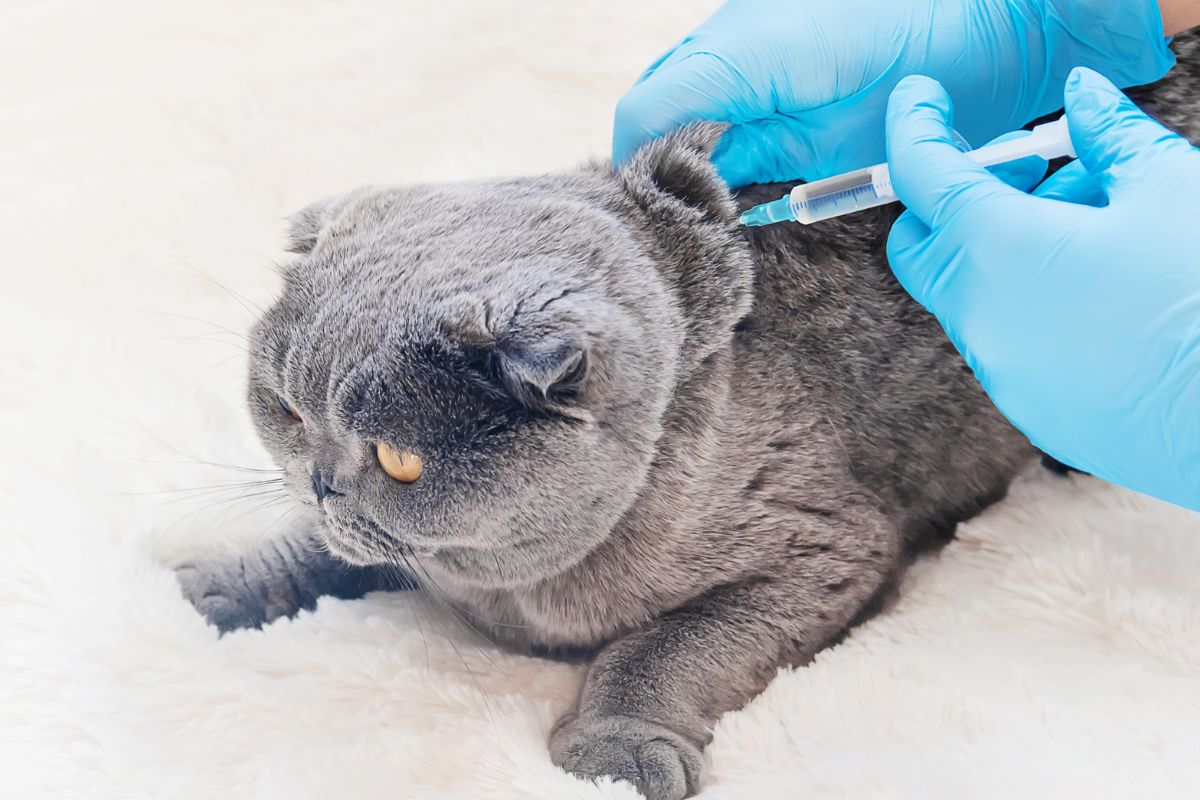
Vaccinations are a vital part of preventative veterinary care, helping protect pets from potentially life-threatening diseases. Whether you’re caring for a new puppy, kitten, or an adult pet, understanding the distinction between core and non-core vaccines can guide you in making informed decisions about their health.
What Are Core Vaccinations?
Core vaccinations are essential for every dog and cat, no matter their breed, age, lifestyle, or where they live. These vaccines protect against diseases that are highly contagious, widespread, and pose a significant risk to animal and public health.
Core Vaccines for Dogs:
- Rabies: Rabies is a deadly viral infection that targets the central nervous system and can be passed on to humans. Most regions require rabies vaccination by law.
- Distemper is a significant viral illness that affects the respiratory system, the gastrointestinal tract, and the nervous system.
- Parvovirus is a highly contagious virus that can lead to severe vomiting and diarrhea, posing a serious threat, especially to puppies.
- Adenovirus (Canine Hepatitis) can cause serious liver damage and may result in long-term complications or even death.
Core Vaccines for Cats:
- Rabies: Just like in dogs, rabies is a required vaccine due to its severe impact on both pets and humans.
- Feline Panleukopenia (Feline Distemper): A highly contagious viral disease that can be fatal, especially in kittens.
- Feline Herpesvirus (Rhinotracheitis): Causes upper respiratory infections and is easily spread among cats.
- Feline Calicivirus: Another virus linked to respiratory infections and oral disease.
These core vaccines are typically administered during the early stages of life (starting as early as 6–8 weeks) and then followed by booster shots at specific intervals.
What Are Non-Core Vaccinations?
Non-core vaccinations are optional and tailored to each pet’s unique risk factors. These can include their environment, travel habits, interactions with other animals, and the prevalence of diseases in the area.
Non-Core Vaccines for Dogs:
- Bordetella bronchiseptica (Kennel Cough): Recommended for dogs in boarding facilities, daycare, or social environments.
- Leptospirosis: Bacterial infection spread through contaminated water or soil; recommended in areas with wildlife or standing water.
- Lyme Disease: Transmitted through tick bites; advisable for dogs living in or visiting tick-prone regions.
- Canine Influenza: Recommended for dogs with frequent exposure to other dogs, especially in urban settings or during outbreaks.
Non-Core Vaccines for Cats:
- Feline Leukemia Virus (FeLV): Suggested for young cats and those with outdoor access or exposure to unknown cats.
- Chlamydia felis: May be recommended in multi-cat households or shelters, especially during outbreaks.
- Bordetella: Occasionally recommended for cats in high-density environments like shelters or catteries.
Why Both Categories Matter
Understanding the distinction helps ensure that your pet is protected from diseases that are most relevant to their lifestyle without over-vaccinating. Core vaccines offer critical protection from severe diseases with wide exposure risks, while non-core vaccines are tailored to a pet’s unique living conditions.
Veterinary professionals usually conduct a lifestyle and exposure risk assessment during wellness exams to determine an appropriate vaccine schedule. This individualized approach supports both safety and efficacy.
Vaccine Schedules and Boosters
Initial vaccinations usually begin when pets are between 6 to 8 weeks old. Boosters are given every 3 to 4 weeks until they are about 16 weeks of age. Adult pets require regular boosters, with intervals ranging from annually to every three years, depending on the vaccine type and local regulations.
Sticking to the recommended vaccine schedule helps build and maintain strong immunity, especially in young pets with developing immune systems.
Common Concerns About Vaccination
Some pet owners worry about potential side effects. Most pets handle their vaccinations pretty well, but sometimes they might experience mild symptoms like a little soreness where they got the shot, a slight fever, or just feeling a bit tired. While serious reactions are uncommon, it’s important to let your vet know right away if anything unusual happens.
Discussing any previous reactions, health conditions, or concerns with your vet helps ensure safe vaccine administration.
Vaccinations are a cornerstone of long-term pet health. By understanding the difference between core and non-core vaccines, pet owners can work with their veterinarian to build a thoughtful and effective vet service. This proactive approach helps protect not just individual pets but also reduces the spread of preventable diseases in the broader community.