28341 Diehl Rd. Warrenville, IL 60555

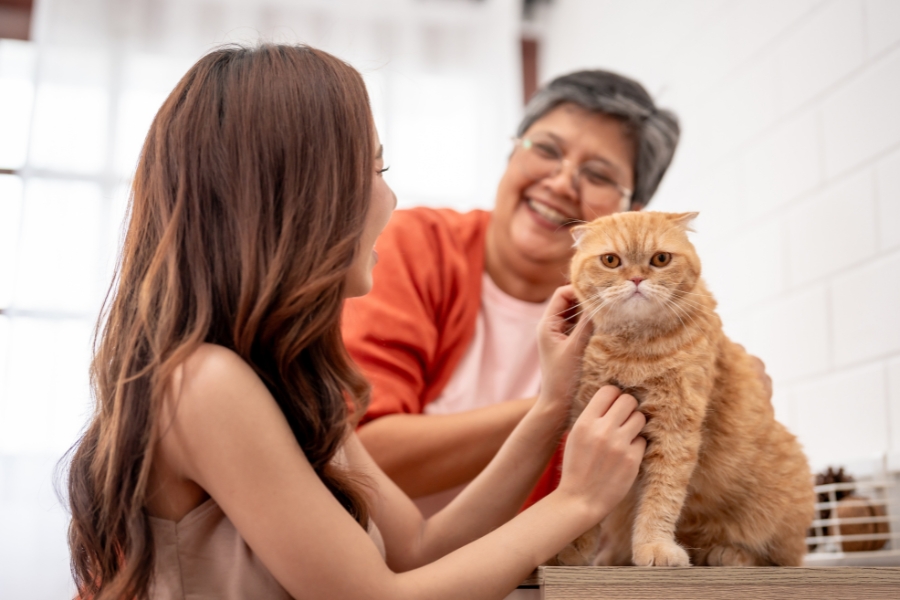
As your cat ages, their needs change—just like humans. Senior cats require extra attention, proactive care, and a few adjustments to maintain their quality of life. But the good news? With the right approach, you can help your feline companion thrive well into their golden years.
Let’s explore how to keep your senior cat happy, healthy, and comfortable.
1. Feed a Diet Tailored for Seniors
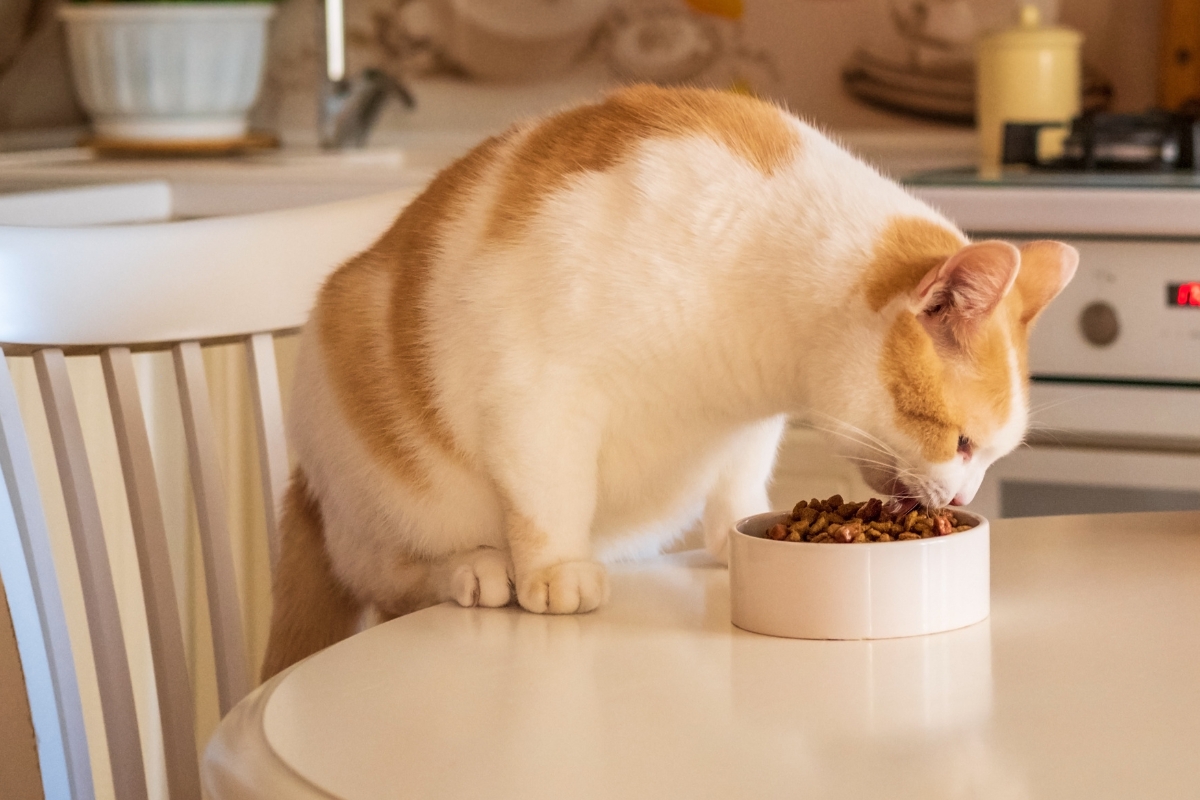
One of the first steps in caring for your aging cat is adjusting their diet. Senior cats often have slower metabolisms and may develop chronic health issues like kidney disease or diabetes.
Choose a senior-specific cat food that:
- Is easy to digest
- Contains high-quality protein
- Has fewer calories (to prevent weight gain)
- Includes joint-supporting supplements like glucosamine and chondroitin
Always consult your veterinarian before changing your cat’s diet. They can recommend a formula based on your cat’s individual needs.
2. Encourage Regular Exercise
While older cats may be less playful, they still need physical activity to maintain muscle tone, joint flexibility, and mental stimulation.
Here’s how to help:
- Use interactive toys like feather wands or laser pointers
- Set up climbing areas with soft ramps or cat trees
- Engage in short play sessions daily
Incorporating gentle movement into their routine can prevent obesity and reduce the risk of arthritis-related discomfort.
3. Maintain Regular Vet Check-Ups
Annual or bi-annual vet visits are crucial for detecting age-related issues early. Routine exams allow your vet to monitor:
- Weight changes
- Dental health
- Heart and kidney function
- Signs of arthritis or thyroid problems
Most importantly, senior wellness exams often include bloodwork, which helps catch silent issues before they become serious.
4. Provide a Comfortable Living Space
As cats age, their joints may become stiff, and their senses might decline. Create a comfortable and safe home environment:
- Place soft bedding in warm, draft-free areas
- Use nightlights for vision-impaired cats
- Add non-slip mats or rugs on slippery floors
- Elevate food and water bowls to reduce neck strain
These small changes make a big difference in daily comfort and mobility.
5. Prioritize Dental Health
Dental disease is incredibly common in senior cats and often goes unnoticed. Left untreated, it can lead to pain, infections, and even organ damage.
To promote oral health:
- Brush your cat’s teeth regularly (with pet-safe toothpaste)
- Offer dental treats or toys
- Schedule annual dental cleanings at the vet
Fresh breath, improved appetite, and overall well-being start with a healthy mouth.
6. Monitor Behavior Changes
Pay close attention to your cat’s behavior. Any sudden changes can be a red flag. Look for:
- Lethargy or decreased activity
- Changes in appetite or water intake
- Increased vocalization or hiding
- Litter box issues
Behavior changes can signal medical problems or cognitive decline, so don’t delay in consulting your vet.
7. Give Extra Love and Attention
Older cats may need more emotional support. Some may become clingier, while others prefer solitude. Be patient, gentle, and responsive to their cues.
Offering quiet cuddle time, brushing their fur, or simply being nearby can provide comfort and reassurance. The human-animal bond plays a crucial role in their emotional well-being.
Your cat’s golden years can be some of the most rewarding. With a little extra care, attention, and regular vet visits, your senior cat can continue to enjoy a high quality of life.
If you’re looking for expert guidance on caring for your senior cat in Warrenville, IL, the team at Green Family Veterinary Practice is here to help. We provide compassionate, personalized care tailored to your aging feline’s specific needs. Schedule a senior wellness exam today and give your cat the comfort they deserve.
Frequently Asked Questions (FAQs)
Q1. At what age is a cat considered a senior?
Ans. Cats are typically considered senior around 10 years old. However, some vets categorize cats aged 7–10 as mature, and those over 10 as senior.
Q2. How often should a senior cat see the vet?
Ans. Senior cats should visit the vet at least twice a year for thorough wellness exams, even if they appear healthy.
Q3. What are common health issues in older cats?
Ans. Kidney disease, arthritis, dental problems, hyperthyroidism, and diabetes are among the most common health issues in aging cats.
Q4. How can I tell if my senior cat is in pain?
Ans. Signs include limping, reduced activity, changes in grooming habits, hiding, or vocalizing more. Always consult your vet if you suspect pain.
Q5. Should I change my cat’s diet as they age?
Ans. Yes, senior cats often need a diet lower in calories and higher in fiber, with added nutrients for joint and kidney support.
Q6. Can senior cats still play?
Ans. Absolutely! While they may not be as energetic, senior cats benefit greatly from gentle play and mental stimulation.