28341 Diehl Rd. Warrenville, IL 60555

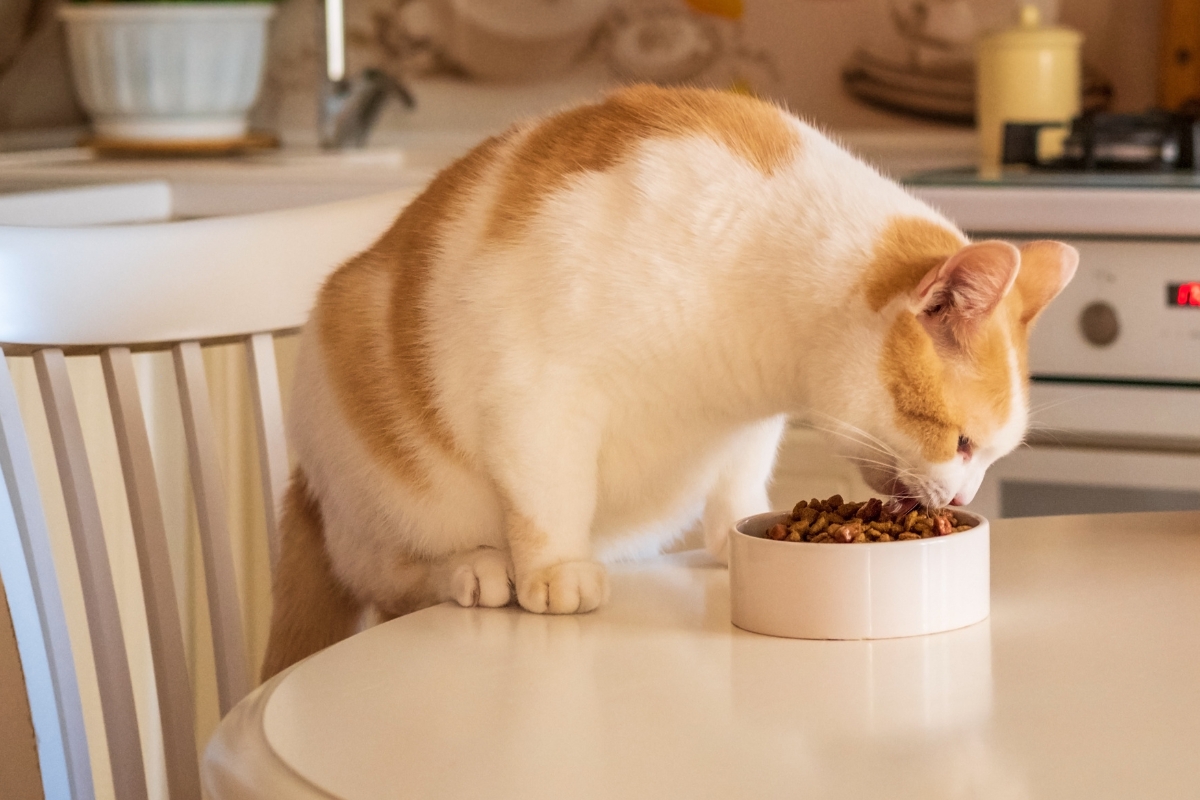
As your feline companion ages, their nutritional needs change. Senior cats, just like older humans, require special care and attention to ensure they maintain their health and well-being. The right diet plays a crucial role in managing age-related changes such as slower metabolism, joint stiffness, and declining organ function. In this blog, we’ll explore the best foods for senior cats, offering practical tips and insights to help you make informed decisions for your pet’s diet. Whether you’re new to caring for a senior cat or you’re seeking additional guidance, this article will provide valuable advice for you.
The Importance of a Balanced Diet for Senior Cats
A senior cat’s nutritional needs are significantly different from those of a younger feline. As your cat enters their senior years, they may experience changes such as reduced energy levels, weight gain or loss, and more. A balanced diet ensures they receive the necessary nutrients to maintain their health. Senior cat care goes beyond feeding them any food—it involves providing them with the right mix of proteins, vitamins, minerals, and fats.
Key Nutritional Elements for Senior Cats
- High-Quality Protein
Older cats still need high-quality protein to maintain muscle mass, but their digestion might not be as efficient as before. It’s important to provide easily digestible proteins like chicken, turkey, and fish, which can help preserve lean muscle while being gentle on the digestive system. - Omega-3 Fatty Acids
Omega-3 fatty acids are known for their anti-inflammatory properties. For senior cats, these fatty acids can help reduce joint pain, improve coat health, and support cognitive function. You can find these healthy fats in fish oils, such as salmon or mackerel, or in specially formulated cat foods with added omega-3s. - Low-Carbohydrate, High-Fiber Foods
Cats are obligate carnivores, which means their bodies thrive on protein rather than carbohydrates. However, as they age, managing weight can become more difficult. A diet with controlled carbohydrates and high fiber helps maintain a healthy weight while preventing obesity, which is a common issue in older cats. - Vitamins and Minerals
Vitamins A, E, and C, as well as essential minerals like calcium, phosphorus, and magnesium, play vital roles in senior cat care. These nutrients contribute to a strong immune system, healthy bones, and optimal organ function. Foods enriched with these vitamins and minerals can support your cat’s overall health. - Moisture for Hydration
Older cats are more prone to dehydration, especially if they suffer from kidney disease, a common condition in senior cats. Offering wet food or mixing wet food with dry kibble can help increase water intake. It’s also essential to ensure fresh water is always available.
The Best Types of Food for Senior Cats
Now that we’ve discussed the key nutrients your senior cat needs, let’s explore some of the best types of food to provide.
- Wet Food
Wet food is an excellent choice for senior cats, as it provides hydration while offering a soft texture that’s easier to chew. Many senior-formulated wet foods are rich in protein and low in carbohydrates. Look for varieties with added omega-3 fatty acids and vitamins to support your cat’s joints and coat. - Dry Food with Added Moisture
While wet food is a great choice, some cats still prefer dry kibble. If your senior cat insists on dry food, you can always mix in a little water or low-sodium broth to help boost hydration. Look for high-quality dry food that contains protein as the primary ingredient and is tailored for senior cats. - Prescription Diets for Special Health Conditions
If your senior cat has specific health issues like kidney disease, diabetes, or arthritis, you may need to provide them with a prescription diet. Your veterinarian can guide you on which brands and types of food are best suited for managing these conditions. Foods formulated for kidney support, for example, contain reduced phosphorus and increased omega-3s to promote kidney function. - Homemade Diets with Veterinary Supervision
Some pet owners prefer to prepare homemade meals for their senior cats. While this can be a healthy option, it’s important to work closely with your veterinarian to ensure the diet is nutritionally complete and balanced. Your vet can provide guidance on the right mix of protein, fat, and carbohydrates, as well as any supplements your cat may need.
Senior Cat Care Tips: Maintaining a Healthy Diet
In addition to providing the right food, there are several senior cat care tips to keep in mind when it comes to their diet.
- Regular Feeding Schedule
Establishing a consistent feeding schedule is essential for senior cats. Their appetite may fluctuate, and having a regular feeding routine ensures they get the necessary nutrients without overeating. - Monitor Their Weight
Keep an eye on your cat’s weight and body condition. Senior cats are more prone to obesity, so it’s important to adjust portions as needed. On the other hand, some senior cats may lose weight due to dental issues or other health conditions, so if your cat is losing weight, a vet visit is recommended. - Gradual Transition
If you’re switching your senior cat’s food to something new, do so gradually. A sudden change in diet can upset their stomach. Mix the new food with the old food over several days until your cat fully transitions to the new diet. - Dental Health Maintenance
Dental issues, such as gum disease and tooth loss, can affect your senior cat’s ability to eat comfortably. Be sure to incorporate dental care into your senior cat’s routine. Many senior-formulated cat foods have kibble designed to help reduce plaque buildup, which can support oral health.
Caring for a senior cat requires extra attention, and their diet is one of the most important aspects of maintaining their health. By choosing the right foods with the right nutrients, you can help your cat stay strong, comfortable, and happy in their senior years.
If you are in Warrenville, IL, and looking for senior cat care, book an appointment with Green Family Veterinary Practice. Our team of dedicated professionals is here to support your senior cat’s health with expert guidance and tailored care.
FAQs
Q1. How often should I feed my senior cat?
Ans. Senior cats should have regular meals twice a day, but the frequency may vary depending on their health and preferences. Consult your veterinarian to determine the best feeding schedule for your cat.
Q2. What is the best food for a senior cat with kidney disease?
Ans. Cats with kidney disease require food with controlled protein, low phosphorus, and increased omega-3 fatty acids. Look for specially formulated prescription diets that support kidney health.
Q3. Can I feed my senior cat human food?
Ans. While it’s tempting, human food isn’t recommended for cats, especially senior ones. Human food can be high in fat, salt, and other ingredients harmful to cats. Stick to cat food formulated for their needs.
Q4. How can I tell if my senior cat is overweight?
Ans. Check for a visible waistline and feel for ribs under your cat’s fur. If you can’t feel their ribs easily or if their waistline is absent, they may be overweight. Regular vet visits can also help assess their weight.
Q5. Are there any special treats for senior cats?
Ans. Yes! Many brands offer senior cat treats that are easier to chew and digest, and they often contain added nutrients like glucosamine for joint support. Always choose treats that complement their diet.
Q6. What should I do if my senior cat stops eating?
Ans. If your senior cat refuses to eat, it could be a sign of an underlying health issue. Consult your veterinarian immediately to determine the cause and get the appropriate treatment.