28341 Diehl Rd. Warrenville, IL 60555

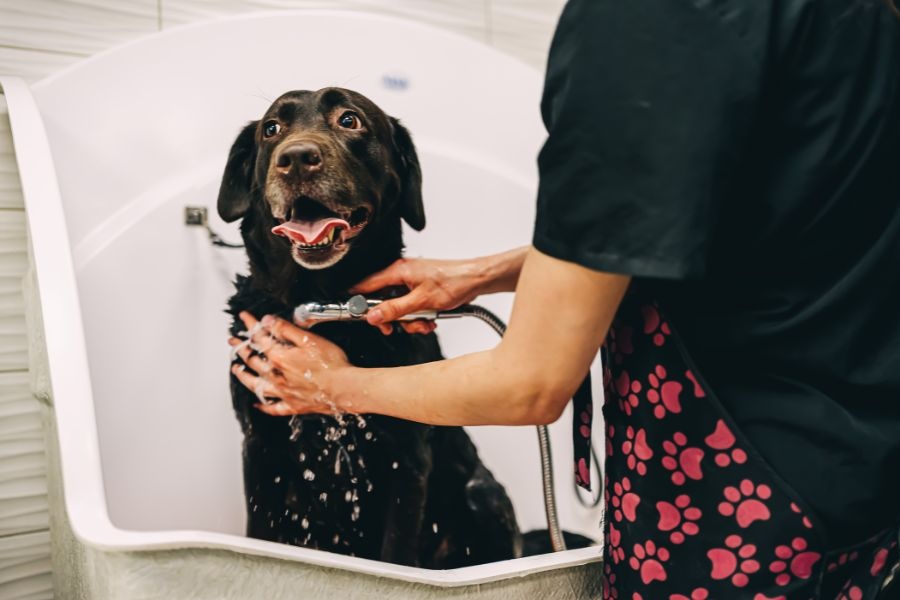
Most dog owners think about bathing as a hygiene task, something you do when your dog smells or gets muddy. But the frequency, products, and technique behind how you bathe your dog have a direct and measurable impact on their skin and coat health. Done right, bathing supports a healthy skin barrier, reduces allergens, and keeps the coat clean and manageable. Done wrong, it can strip natural oils, trigger irritation, and create the conditions for chronic skin problems. Understanding good dog bathing habits is a core part of dog preventive care, and at Green Family Veterinary Practice, we help dog owners in Warrenville make confident, informed choices about their pet’s grooming routine.
Why Your Dog’s Skin Health Matters More Than You Think
Skin is your dog’s largest organ, and it does a lot more than hold everything together. It acts as a physical barrier against environmental allergens, bacteria, fungi, and parasites. It regulates moisture and temperature. It signals internal health. When the skin barrier is compromised, even minor exposures can trigger inflammation, itching, and infection.
Poor dog bathing habits are one of the most common and preventable causes of skin barrier disruption. Bathing too frequently strips the skin of its natural sebum, the protective oil layer that keeps skin supple and resistant to irritants. Bathing too infrequently allows dirt, allergens, and microorganisms to accumulate, which can also lead to skin issues over time.
Getting this balance right matters not just for comfort, but for your dog’s long-term skin integrity. Chronic skin problems are among the most common reasons dogs visit veterinarians, and many of them trace back to grooming habits that could easily be adjusted.
How Often Should You Bathe Your Dog?
There is no single answer that works for every dog. The right bathing frequency depends on several factors that vary by individual. Here is a practical breakdown:
By Coat Type
- Short, smooth coats (Beagles, Boxers, Dalmatians): Every 6 to 8 weeks is typically sufficient
- Double coats (Golden Retrievers, Huskies, German Shepherds): Every 6 to 8 weeks, with thorough brushing in between to prevent matting and manage shedding
- Long, silky coats (Shih Tzus, Maltese, Yorkshire Terriers): Every 3 to 4 weeks to prevent tangling and buildup
- Wire or rough coats (Terriers, Schnauzers): Every 4 to 6 weeks depending on activity level
- Curly or wavy coats (Poodles, Doodles): Every 3 to 4 weeks, as these coats trap debris and are prone to matting
By Lifestyle and Activity
- Dogs who spend significant time outdoors, swim regularly, or roll in grass and dirt may need more frequent bathing
- Indoor dogs with limited outdoor activity can often go longer between baths without any issue
- Dogs with skin conditions, allergies, or parasites may need medicated baths on a schedule recommended by their veterinarian
By Skin Condition
- Healthy skin with no irritation: follow coat-type guidelines above
- Dogs with allergies or environmental sensitivities: more frequent rinsing (even without shampoo) can help remove allergens from the coat
- Dogs with diagnosed skin conditions: always follow your veterinarian’s specific recommendation
A good rule of thumb is to bathe your dog when they are visibly dirty, when they smell noticeably, or when their coat feels oily or rough to the touch, rather than following a rigid calendar schedule.
Choosing the Right Products for Dog Skin Care
The products you use matter just as much as how often you bathe. Human shampoos, even gentle or baby formulations, are not appropriate for dogs. Human skin has a pH of around 5.5, while dog skin sits closer to 7.0. Using a shampoo formulated for the wrong pH disrupts the skin’s protective acid mantle and leaves your dog vulnerable to irritation and infection.
Here is what to look for when selecting products for your dog’s skin care routine:
What to Choose
- Shampoos specifically labeled for dogs with a balanced pH
- Fragrance-free or hypoallergenic formulas for dogs with sensitive skin or known allergies
- Oatmeal-based shampoos for dogs prone to dryness or mild irritation
- Medicated shampoos containing chlorhexidine or ketoconazole for dogs with bacterial or fungal skin conditions (used under veterinary guidance)
- Moisturizing conditioners for dogs with long, dry, or easily tangled coats
What to Avoid
- Human shampoos, dish soap, or baby wash
- Products with artificial fragrances, dyes, or alcohol
- Flea shampoos used more frequently than directed, as they can be harsh on skin with repeated use
- Any product that causes redness, flaking, or scratching after use, even if it is marketed for dogs
When in doubt, your veterinarian can recommend a product suited to your dog’s specific coat type and skin history. This is especially important for dogs who have had recurring skin issues, as the right shampoo can be part of an effective dog preventive care plan.
Bathing Technique: What You Do Matters as Much as What You Use
Even with the right frequency and the right products, poor technique can undermine your efforts. Here are the key technique points that make a real difference in dog skin care outcomes:
Before the Bath
- Brush your dog thoroughly before wetting the coat to remove tangles, loose fur, and debris
- Use lukewarm water, never hot, as dogs are more sensitive to heat than humans
- Place a non-slip mat in the tub to reduce stress and prevent slipping
During the Bath
- Wet the coat thoroughly before applying shampoo, starting from the neck and working toward the tail
- Dilute shampoo before applying if possible, as concentrated product is harder to distribute evenly and rinse out fully
- Massage the shampoo into the skin using gentle circular motions, not vigorous scrubbing
- Avoid getting water or shampoo directly into the ears, eyes, and nose
- Rinse thoroughly until the water runs completely clear, as shampoo residue is a leading cause of post-bath itching and irritation
After the Bath
- Towel dry gently by blotting rather than rubbing, which can cause friction damage to the coat
- Use a low-heat dryer if needed, keeping it moving and at a safe distance from the skin
- Brush the coat again once dry to prevent matting and check the skin for any redness or irritation
- Check ears for moisture after bathing, as trapped water can create conditions for ear infections
When Bathing Is Not Enough: Signs Your Dog Needs Veterinary Attention
Good dog bathing habits support skin health, but they are not a substitute for professional veterinary care when something is wrong. Knowing when to seek help is an important part of responsible dog preventive care.
Watch for these signs that your dog’s skin may need veterinary evaluation:
- Persistent scratching, licking, or chewing at the skin that does not resolve after a bath
- Redness, rash, or hot spots that appear or worsen after bathing
- Flaking, scaling, or crusty patches anywhere on the body
- Hair loss in patches or thinning across large areas of the coat
- A persistent odor even shortly after bathing, which can indicate a yeast or bacterial overgrowth
- Thickened, darkened, or leathery skin, particularly in folds or on the belly
- Swelling, discharge, or open sores
These signs point to conditions that require diagnosis and treatment beyond what grooming alone can address, including allergies, hypothyroidism, mange, fungal infections, or autoimmune skin disorders. Early evaluation makes treatment more straightforward and prevents unnecessary discomfort for your dog.
Conclusion: Healthy Bathing Habits Are Part of a Bigger Picture
Good dog bathing habits are not about achieving a particular look or smell. They are about protecting your dog’s skin barrier, supporting coat health, and catching problems early enough to address them before they become chronic. The right frequency, the right products, and the right technique all work together to make a genuine difference in your dog’s comfort and long-term health.
At Green Family Veterinary Practice in Warrenville, our team is here to help you build a grooming and skin care routine that fits your dog’s individual needs. Whether you are managing a sensitive skin condition, choosing the right shampoo, or simply wanting guidance on dog skin care that goes beyond the basics, we are ready to help. Book your dog’s wellness appointment today and give your pet the kind of attentive, personalized care they deserve.
At Green Family Veterinary Practice, we are committed to supporting dog preventive care from the inside out, including the skin health habits that make a lasting difference. Schedule your dog’s visit today and give your pet the care they deserve.
Frequently Asked Questions
Q1. How often should I bathe my dog for healthy skin and coat? Most dogs do well with a bath every four to eight weeks, depending on their coat type, lifestyle, and skin condition. Dogs with allergies or active skin issues may need more frequent bathing on a schedule recommended by their veterinarian. Bathing too often strips natural oils, while bathing too rarely allows buildup that can irritate the skin.
Q2. Can I use human shampoo on my dog in a pinch? It is best to avoid it. Human shampoos are formulated for a different skin pH than dogs have, and using them can disrupt the skin’s protective barrier, leading to dryness, irritation, and increased susceptibility to infection. A fragrance-free, dog-specific shampoo is always the safer choice.
Q3. Why does my dog itch more after a bath? Post-bath itching is most often caused by shampoo residue that was not fully rinsed out, a product that does not suit your dog’s skin type, or water that was too hot. It can also signal an underlying skin sensitivity or allergy. If post-bath itching is a regular occurrence, it is worth discussing your products and technique with your veterinarian.
Q4. What dog skin care products do veterinarians in Warrenville recommend for sensitive skin? For dogs with sensitive skin, veterinarians typically recommend fragrance-free, hypoallergenic, or oatmeal-based shampoos with a balanced pH. Medicated options containing chlorhexidine or antifungal ingredients may be recommended for dogs with recurrent skin infections. The best product for your dog depends on their specific skin history, so asking your vet for a personalized recommendation is always worthwhile.
Q5. When should I bring my dog to the vet for a skin issue rather than just adjusting their bathing routine? If your dog is scratching persistently, losing hair in patches, developing hot spots or sores, or has a skin odor that returns quickly after bathing, it is time for a veterinary evaluation. These signs often indicate conditions that require medical treatment, not just grooming adjustments. Dog preventive care includes knowing when home management is not enough.