28341 Diehl Rd. Warrenville, IL 60555

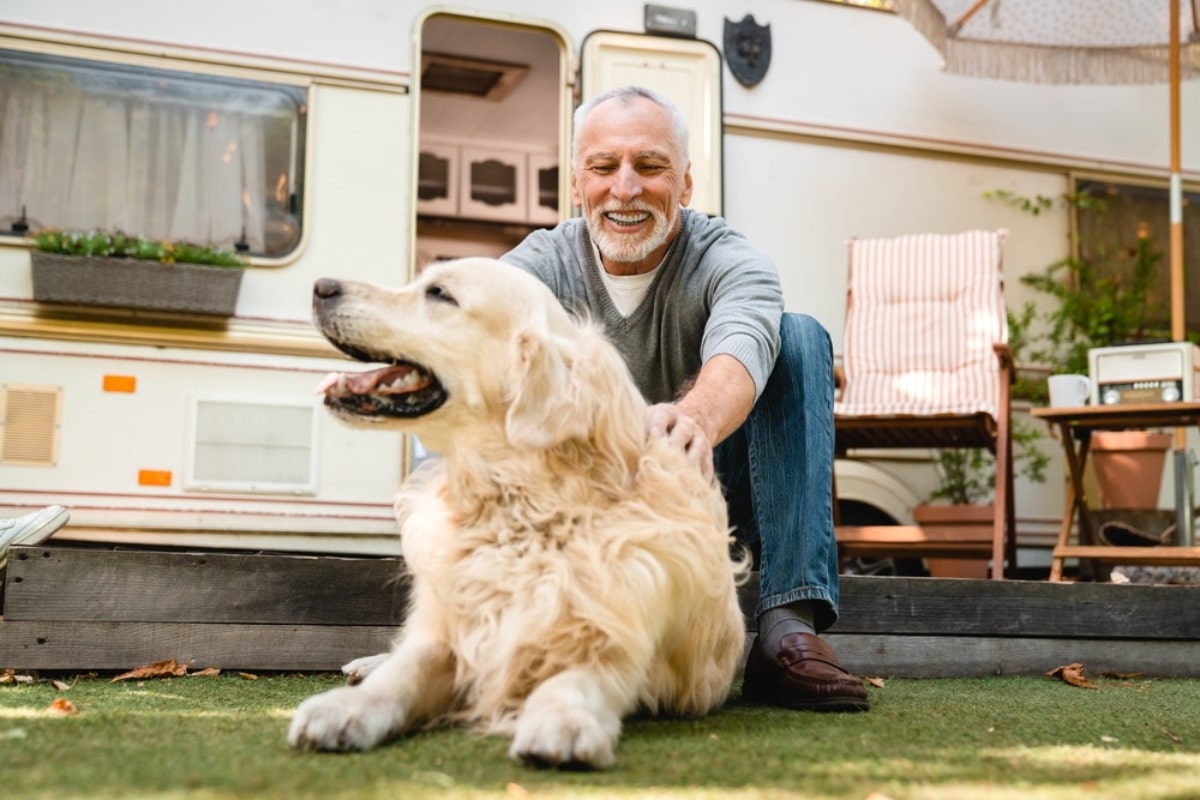
As our beloved pets grow older, their needs evolve—and so should our homes. Aging pets, like aging humans, need additional care, comfort, and accessibility to stay healthy and happy. From joint pain to vision loss, senior pets face challenges that can be eased with a few thoughtful home adjustments.
In this post, we’ll explore 8 simple yet effective ways to transform your home into a haven for your senior pet. These changes won’t just improve their comfort—they’ll enhance their quality of life.
🛏️ 1. Upgrade Their Sleeping Space with Orthopedic Support
A good night’s sleep becomes even more important as pets age. Stiff joints, arthritis, and reduced mobility can make rest uncomfortable.
Tip: Invest in an orthopedic memory foam pet bed. These beds provide joint support and help distribute weight evenly, which relieves pressure on sore spots.
Place the bed in a quiet, draft-free area, preferably away from high-traffic zones. If your pet has trouble climbing, ensure the bed is low to the ground.
🐾 2. Lay Down Non-Slip Rugs and Mats
Slippery floors like hardwood or tile can be hazardous for older pets. As they age, pets often lose some of their balance and coordination.
Solution: Add non-slip rugs or mats in hallways, by food bowls, and near favorite lounging spots. These surfaces provide better traction and help prevent slips and falls.
As a bonus, they add warmth and cushioning, perfect for pets with arthritis or sore paws.
🍽️ 3. Raise Food and Water Bowls
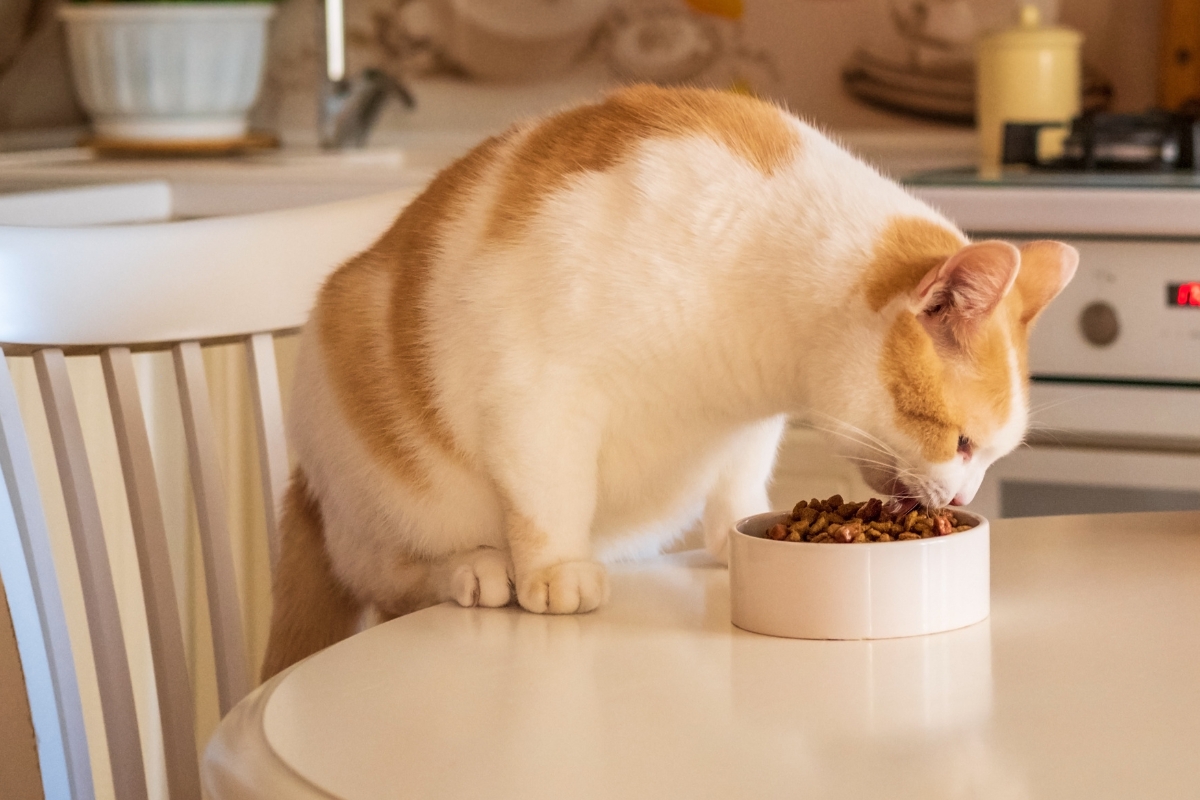
Bending down to eat or drink can be painful for pets with neck or joint problems. Thankfully, there’s a simple fix.
Fix: Use elevated feeders. These raised bowls reduce strain on your pet’s back and neck and promote healthier digestion.
Keep fresh water readily available and consider adding an extra bowl in a second location for convenience.
🧹 4. Declutter and Simplify Pathways
As pets age, their eyesight may decline, and their reflexes slow. A cluttered space becomes a maze of hazards.
Action: Clear floors of shoes, wires, and unnecessary furniture. Create clear, open paths that your pet can navigate easily, especially between food, water, and their bed.
Consider blocking off stairs with a pet gate to prevent accidental tumbles.
🪟 5. Ensure Optimal Lighting Throughout the Home
Dim vision is common in senior pets. Good lighting can make a significant difference in their ability to navigate your home confidently.
Tip: Add nightlights in dark hallways or stairwells. Place lamps near their sleeping area and keep curtains open during the day to let in natural light.
Bright, consistent lighting reduces disorientation, especially at night.
🌡️ 6. Maintain a Comfortable Indoor Temperature
Older pets are more sensitive to temperature fluctuations. They may chill easily or overheat quickly.
Solution: Keep your home temperature steady—ideally between 68–72°F (20–22°C). In colder seasons, offer warm bedding or pet-safe heating pads. In summer, provide cooling mats or fans to prevent overheating.
Avoid placing beds near vents, radiators, or drafty doors.
🪜 7. Add Ramps or Pet Stairs for Accessibility
If your pet struggles to jump onto furniture or climb stairs, it’s time for some accessibility upgrades.
Fix: Install ramps or pet stairs next to beds, sofas, or even porch steps. Choose a design with non-slip surfaces for safety and stability.
This small change can give your pet back a bit of their independence.
🧠 8. Keep Their Mind and Body Engaged
Senior pets need stimulation to stay mentally and physically fit. However, their energy levels and abilities may have decreased.
Tip: Offer gentle activities like short walks, treat puzzles, or interactive toys. Rotate toys to keep things interesting and use scent-based games to engage their sense of smell.
Mental enrichment is a powerful tool in senior pet care, helping to stave off cognitive decline.
🙋♀️ FAQs About Senior Pet Care at Home
Q1: What age is considered “senior” for pets?
A: Small dogs and cats are typically considered senior around 7 years old, while large breeds often reach senior status by age 5 or 6.
Q2: Should I change my senior pet’s diet?
A: Yes. Older pets benefit from lower-calorie, nutrient-rich food with added joint and digestive support. Always consult your vet before making dietary changes.
Q3: How do I know if my senior pet is in pain?
A: Signs include limping, whining, reluctance to move, or changes in behavior. Regular vet checkups help catch and treat discomfort early.
Q4: Can I still exercise my senior pet?
A: Absolutely. Short, gentle walks or indoor play sessions keep muscles active and joints moving. Just avoid overexertion.
Q5: What’s the best type of bedding for a senior pet?
A: Orthopedic memory foam beds are ideal. They support aging joints and provide a soft, stable surface for rest.
Q6: Is it okay to give my pet supplements?
A: Some supplements—like glucosamine or fish oil—can benefit older pets. However, always talk to your veterinarian before introducing any new supplement.
Aging is inevitable, but discomfort doesn’t have to be. With just a few easy tweaks, your home can become a safe, cozy oasis that supports your pet’s well-being through their senior years.
Senior pet care is not just about vet visits and medications—it’s about thoughtful, daily decisions that keep your furry friend happy, active, and loved. Start with these 8 easy changes, and you’ll make a world of difference in their quality of life.