28341 Diehl Rd. Warrenville, IL 60555

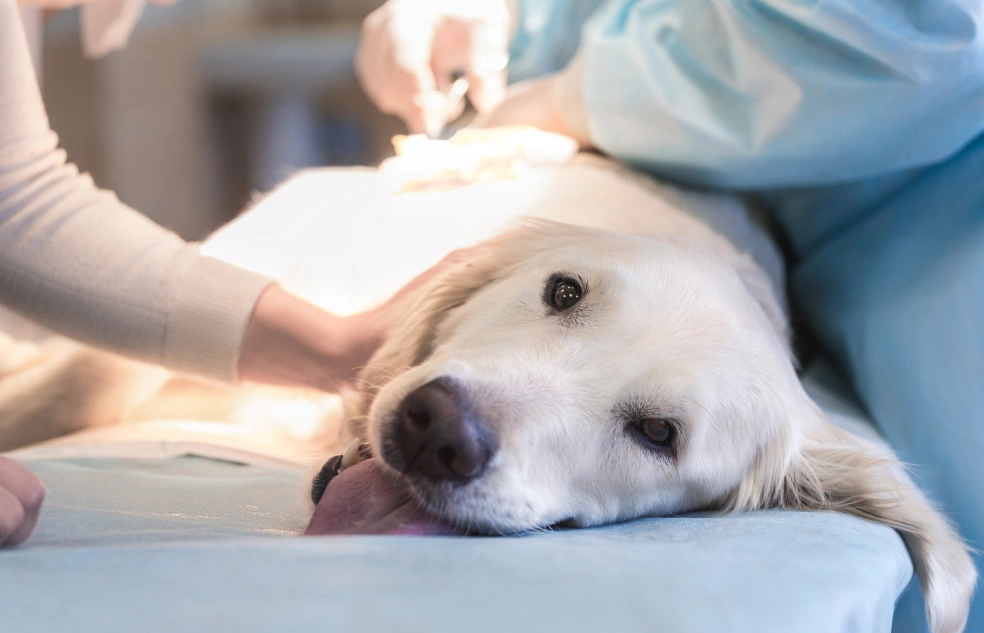
Facing a pet surgery appointment can feel overwhelming, but with the right preparation, you can help your furry friend get through it smoothly. Whether your pet is getting spayed, having a dental procedure, or undergoing something more complex, knowing what to expect makes a big difference.
This guide walks you through the steps to take before, during, and after your pet’s surgery to ensure their safety, comfort, and recovery.
1. Consult with Your Veterinarian
First and foremost, speak with your veterinarian about the upcoming procedure. Ask about:
- The exact type of surgery
- Expected outcomes
- Recovery timeline
- Pre-surgical requirements
Don’t hesitate to ask questions. The more informed you are, the better you can support your pet.
2. Complete All Pre-Surgical Tests
Many veterinarians will request pre-surgical testing. These tests may include:
- Bloodwork
- Urinalysis
- X-rays or ultrasounds (if needed)
These checks help identify hidden health concerns that could affect how your pet handles anesthesia or surgery. Completing these tests ensures your pet is strong enough for the procedure.
3. Follow Fasting Guidelines Carefully
Almost all pets need to fast before surgery. Typically, your pet must avoid food for 8–12 hours before anesthesia. Water is usually allowed until a couple of hours before the procedure.
Always follow your vet’s exact instructions. Incorrect fasting can lead to complications such as vomiting or aspiration during surgery.
4. Adjust Medication Schedules If Necessary
If your pet takes daily medications, ask your vet whether to continue them on the morning of the surgery. Some medications are safe to administer; others may need to be paused.
Provide your veterinarian with a full list of any medications, supplements, or herbal remedies your pet takes.
5. Prepare a Safe and Calm Environment
Set up a quiet, clean, and cozy recovery area before the surgery day. Make sure it includes:
- A comfortable bed or soft blankets
- Fresh water
- Easy access for monitoring
Remove hazards like stairs or slippery floors. If your pet uses a crate, line it with soft materials and ensure good airflow.
6. Plan for Transportation and Drop-Off
The morning of the procedure, keep your pet calm and follow your vet’s instructions. Transport your pet in a secure carrier or with a seatbelt harness.
At drop-off:
- Arrive early if required
- Review paperwork
- Confirm pickup time and post-op care instructions
Staying calm yourself can help soothe your pet, especially if they are anxious.
7. Understand Post-Operative Care in Advance
Recovery doesn’t start when your pet gets home—it starts now. Ask your vet:
- Will your pet need pain meds or antibiotics?
- How should you care for the incision?
- Are there activity restrictions?
Also, prepare items like:
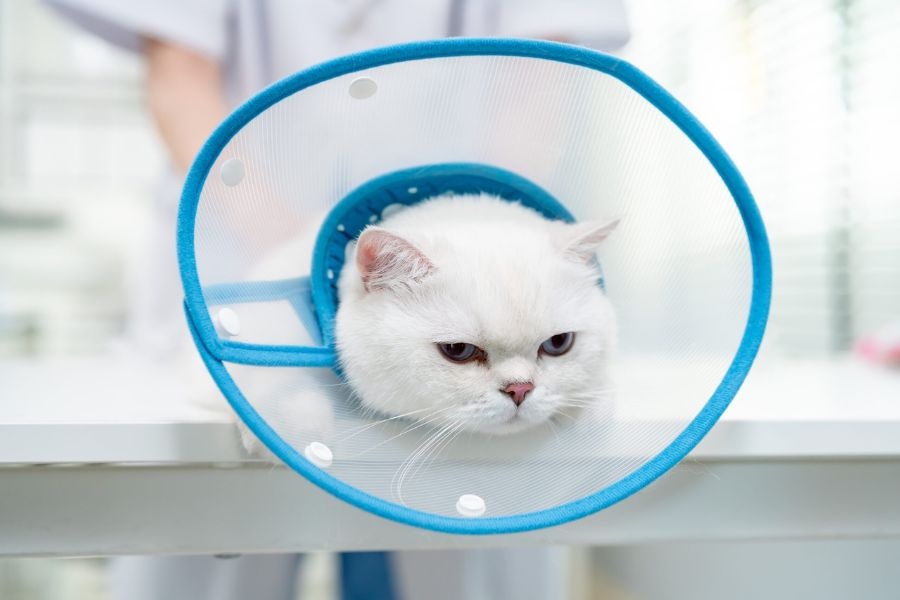
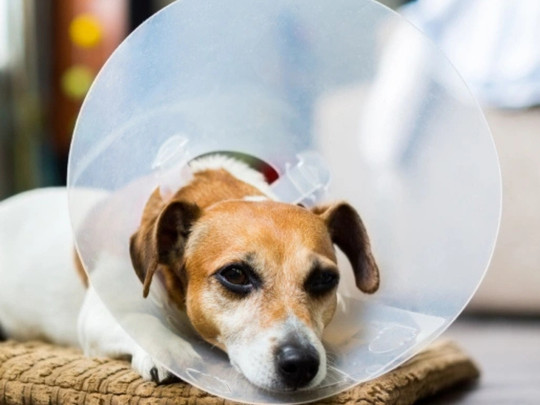
- An e-collar or recovery suit
- Prescription medications
- A follow-up appointment schedule
Having everything in place ahead of time reduces stress later.
Ultimately, preparing your pet for surgery is about planning, understanding, and providing comfort. With good communication and preparation, you can help your pet face surgery with less stress and more safety.
If you’re looking for compassionate and expert pet surgery in Warrenville, IL, choose a veterinary team that prioritizes both your pet’s health and your peace of mind. Whether it’s a routine procedure or something more complex, proper care begins before the surgery even starts.
FAQs
1. How long should my pet fast before surgery?
Ans: Most pets should fast for 8–12 hours before surgery, but always follow your vet’s instructions.
2. Can my pet drink water before surgery?
Ans: Usually yes—until 2–3 hours before surgery. Always confirm with your vet, as policies may vary.
3. Should I give my pet their medication on surgery day?
Ans: Only give medications if your vet has approved them for the day of the surgery.
4. What should I bring when dropping off my pet?
Ans: Bring your pet in a secure carrier or harness, along with any medications and paperwork requested by your vet.
5. When can my pet return to normal activity?
Ans: This depends on the type of surgery. In most cases, your vet will recommend limited activity for 7–14 days.
6. How can I keep my pet from licking its stitches?
Ans: Use an e-collar (cone) or a soft recovery suit as recommended by your vet to protect the surgical site.